

Low-Maintenance Hair: How to Look Great Without Living at the Salon
There’s a difference between wanting great hair and wanting your hair to become a part-time job.
For most people, the ideal is somewhere in the middle. You want hair that looks polished and intentional, but you don’t necessarily want to be back in the salon every few weeks, touching up obvious regrowth or spending 45 minutes every morning trying to recreate the way it looked when you left the chair.
That’s where low-maintenance hair comes in.
And despite what Instagram might have you believe, low-maintenance hair isn’t one particular haircut, colour or treatment. A balayage that is beautifully low maintenance for one person could be completely wrong for someone else. Long layers might be effortless on one head of hair and require daily styling on another.
The real secret is choosing your cut, colour and treatments around your natural hair, your lifestyle and how much maintenance you’re actually prepared to do.
What Does “Low-Maintenance Hair” Actually Mean?
Low maintenance doesn’t mean doing nothing to your hair.
It means making choices that reduce the amount of work required to keep it looking good.
There are really two different kinds of maintenance to think about.
Salon maintenance is how frequently you need appointments to keep your hair looking intentional. This includes regrowth appointments, toners, foils, trims and colour refreshes.
Daily maintenance is everything that happens at home: blow-drying, straightening, curling, controlling frizz and trying to convince the fringe you enthusiastically agreed to six weeks ago to behave itself.
Sometimes people focus entirely on salon visits and forget about the second one. But if you’re spending an hour styling your hair every morning, stretching your colour appointments isn’t necessarily making your hair particularly low maintenance.
The best approach considers both.
Start With the Hair You Actually Have
One of the easiest ways to create high-maintenance hair is to constantly fight against what naturally grows out of your head.
That doesn’t mean you can’t go blonde if you’re brunette, wear your naturally curly hair straight or cover your greys. Of course you can.
It simply means understanding what those choices will require afterwards.
The further you move away from your natural colour, texture or growth pattern, the more maintenance you may need to keep the result looking the way you want it.
For example, someone with naturally dark hair who wants a very light, cool blonde may need more regular salon appointments than someone choosing a softer blonde that works with their natural base. Someone with frizz-prone hair who wants a sleek finish every day may spend considerably more time styling than someone whose haircut works with their natural texture.
A good consultation shouldn’t just be about “What do you want your hair to look like today?”
It should also consider “What do you want your hair to look like eight weeks from now?”
That second question can completely change the plan.
Low-Maintenance Colour Is All About the Grow-Out
The first sign that a colour is becoming difficult to maintain is often the regrowth.
Traditional colour doesn’t suddenly become unattractive because a particular number of weeks has passed. The problem is usually the contrast between the coloured hair and what’s growing through.
That’s why some colour techniques can be particularly useful for clients who want more flexibility between appointments.
Balayage, softer highlights, dimensional colour and colours that work more closely with your natural base can create a less obvious transition as the hair grows.
Our guide to the best low-maintenance hair colours looks at these options in more detail.
If you’re considering going lighter, it’s also worth understanding the difference between techniques. Balayage and highlights can produce very different grow-out patterns, so the best choice isn’t simply about which photograph you prefer.
At The Cutting Room, our Balayage and Foils & Lightening services can be tailored around the result you want and how frequently you realistically want to maintain it.
Grey Hair Changes the Maintenance Conversation
Grey coverage is another area where maintenance expectations matter enormously.
If you want complete coverage and there’s a significant difference between your natural grey and your chosen colour, new growth can become noticeable relatively quickly.
For some clients, that’s absolutely fine. They love the result and are happy to maintain it.
Others eventually reach the point where they’re tired of feeling as though they’re constantly chasing their roots.
Grey blending offers another approach. Rather than completely disguising every grey hair, the colour is designed to work with some of the natural grey, potentially creating a softer transition as new hair grows.
Neither option is automatically better. The right choice depends on how much grey you have, the look you prefer and how you feel about seeing some of your natural grey.
We’ve broken down the differences in Grey Blending vs Grey Coverage: Which Is Easier to Maintain?
A Great Haircut Should Still Work Weeks Later
A haircut can look incredible when it’s freshly blow-dried in the salon. The real test comes after you’ve washed it yourself.
A low-maintenance haircut needs to take into account your hair density, texture, growth patterns, face shape and, importantly, what you’re actually going to do with it at home.
If you don’t own a round brush and have no intention of learning how to use one, that’s useful information for your stylist.
The same applies to how often you’re willing to have your hair cut. Some highly structured shapes need regular trims to retain their precision. Softer shapes and well-planned layers can often be more forgiving as they grow.
Our guide to low-maintenance haircuts that grow out beautifully explains what to consider before choosing your next cut.
You can also learn more about our Haircuts & Styling services.
What If Styling Is the Part You Want to Get Rid Of?
This is where low-maintenance hair becomes about much more than your cut or colour.
For some people, the salon appointment isn’t the annoying part. It’s the daily battle with frizz, puffiness or hair that needs blow-drying and straightening before they’ll happily walk out the door.
Nanoplasty can be worth considering for clients who want smoother, more manageable hair and significantly less daily styling.
Rather than having to repeatedly straighten or control the hair at home, Nanoplasty is designed to smooth the hair, reduce frizz and make it easier to manage for months.
For someone who currently spends considerable time blow-drying and straightening several times a week, that can make a far greater difference to their idea of “low maintenance” than stretching a colour appointment by another fortnight.
If you’re curious about it, start with our complete guide to Nanoplasty. We’ve also explained how long Nanoplasty really lasts and how results can differ across different hair types.
Making Your Colour Work Harder Between Appointments
Choosing a lower-maintenance colour is only half the equation. What you do between appointments also affects how long your colour continues looking fresh.
How frequently you wash your hair, the products you use, heat styling, sun exposure and the condition of your hair can all influence how your colour looks over time.
This doesn’t mean creating an elaborate 14-step hair routine. That rather defeats the purpose.
It means knowing which small things actually make a difference.
We’ve put those together in How to Make Your Hair Colour Last Longer Between Salon Visits.
Low Maintenance Isn’t the Same for Everyone
This is probably the most important thing to understand.
For one person, low maintenance means visiting the salon twice a year and letting their hair air-dry.
For someone else, it might mean coming in every six weeks because they enjoy having their hair done, but choosing a treatment that means they can wash their hair, spend five minutes styling it and get on with their morning.
There isn’t a correct number of appointments.
Interestingly, Australian research into salon habits found considerable variation in how frequently people visited hair and beauty salons even before the disruption of COVID-19. That reinforces something we see every day: hair maintenance has to fit around people’s lives, rather than the other way around. You can read the 2023 Australian salon habits study if you’re interested in the research.
Tell Your Hairdresser How Much Maintenance You Want
This might sound obvious, but it’s one of the most useful things you can say during a consultation.
Don’t just bring photographs of the hair you love. Tell your stylist:
- How often you’re realistically prepared to visit the salon.
- How much time you spend styling your hair in the morning.
- Whether you blow-dry, straighten or air-dry.
- How comfortable you are with visible regrowth or grey.
- What you dislike most about dealing with your hair.
- What you’d happily keep doing and what you’d love to stop doing.
Those answers can be just as important as the inspiration photo.
Sometimes the best result isn’t the colour that’s trending or the haircut you’ve saved to Pinterest. It’s the one that still looks good on a Tuesday morning, six weeks later, when you’ve got ten minutes to get out the door.
Great Hair Should Fit Your Life
At The Cutting Room, we don’t think low-maintenance hair means compromising on how you look.
It means being smarter about how your hair is cut, coloured and treated so that the finished result works beyond the day of your appointment.
That might mean a softer colour that grows out gradually, a haircut designed around your natural texture, blending rather than completely covering your greys, or choosing Nanoplasty because you’re thoroughly over spending half your morning fighting frizz.
If you’d like to find out what would work for your hair, explore our hair services or book an appointment with our Riverstone team. We can talk about the result you want and, just as importantly, how much work you’re prepared to put into maintaining it.
Ready for Hair That Works With Your Life?
If you’d like to find out what would work for your hair, explore our hair services or book an appointment with our Riverstone team.
If you’re new to The Cutting Room, start with our New Clients page. It explains what to expect, how appointments work and how we approach your first visit, so you can feel confident before you even step through the door.
Frequently asked questions
What is the easiest hair colour to maintain?
Generally, hair colours that work closely with your natural base are easier to maintain because regrowth is less obvious. Balayage, dimensional brunettes, softer blondes and strategically placed highlights can all allow for a more gradual grow-out. The lowest-maintenance option will depend on your natural colour, how much grey you have and the result you want.
How often should you go to the hairdresser for low-maintenance hair?
There’s no single schedule that suits everyone. A precision haircut may need reshaping every six to eight weeks, while longer, softer styles may comfortably go longer. Colour appointments can also range considerably depending on whether you have permanent root colour, highlights, balayage or another technique. Tell your stylist how often you realistically want to return before deciding on your cut or colour.
What is the most low-maintenance hairstyle?
The easiest hairstyle is usually one that works with your natural texture and doesn’t require extensive heat styling to sit properly. A good low-maintenance haircut should still have shape after you wash it yourself and should grow out without quickly becoming difficult to manage.
Is balayage really low maintenance?
Balayage can be relatively low maintenance because the colour can be placed to create a softer transition between the lightened hair and your natural colour as it grows. However, it isn’t automatically maintenance-free. Toners, trims and occasional colour refreshes may still be needed, particularly if you want to maintain a specific blonde tone.
How can I make my hair easier to manage every day?
Start by looking at what takes the most time. If it’s styling, the right haircut can make a significant difference. If frizz, puffiness or straightening is the problem, a smoothing treatment such as Nanoplasty may be worth discussing with your stylist. If you’re constantly dealing with regrowth, changing your colour strategy may have a bigger impact.
Can you have low-maintenance hair and still cover grey?
Yes, but complete grey coverage usually requires more frequent root maintenance than techniques that incorporate some of your natural grey. If frequent regrowth appointments are becoming frustrating, ask your colourist whether grey blending or a softer colour transition could work for you.
What should I ask my hairdresser if I want low-maintenance hair?
Be specific about what “low maintenance” means to you. Tell your hairdresser how often you’re willing to visit the salon, how much time you want to spend styling each day, whether you air-dry or blow-dry, how you feel about visible regrowth and what currently frustrates you most about your hair. That information can completely change what they recommend.
You may also be interested in …
 https://www.thecuttingroom.net.au/wp-content/uploads/2026/08/Balayage-vs-Highlights.jpg
500
1000
IvanaKKatzAdmin2024
https://www.thecuttingroom.net.au/wp-content/uploads/2025/02/The-Cutting-Room-Black.png
IvanaKKatzAdmin20242026-08-09 18:07:102026-08-09 18:07:10Balayage vs Highlights: Which Is More Low Maintenance?
https://www.thecuttingroom.net.au/wp-content/uploads/2026/08/Balayage-vs-Highlights.jpg
500
1000
IvanaKKatzAdmin2024
https://www.thecuttingroom.net.au/wp-content/uploads/2025/02/The-Cutting-Room-Black.png
IvanaKKatzAdmin20242026-08-09 18:07:102026-08-09 18:07:10Balayage vs Highlights: Which Is More Low Maintenance? https://www.thecuttingroom.net.au/wp-content/uploads/2026/08/How-to-m-ake-your-hair-colour-last.jpg
500
1000
IvanaKKatzAdmin2024
https://www.thecuttingroom.net.au/wp-content/uploads/2025/02/The-Cutting-Room-Black.png
IvanaKKatzAdmin20242026-08-09 18:06:132026-08-09 18:06:13How to Make Your Hair Colour Last Longer Between Salon Visits
https://www.thecuttingroom.net.au/wp-content/uploads/2026/08/How-to-m-ake-your-hair-colour-last.jpg
500
1000
IvanaKKatzAdmin2024
https://www.thecuttingroom.net.au/wp-content/uploads/2025/02/The-Cutting-Room-Black.png
IvanaKKatzAdmin20242026-08-09 18:06:132026-08-09 18:06:13How to Make Your Hair Colour Last Longer Between Salon Visits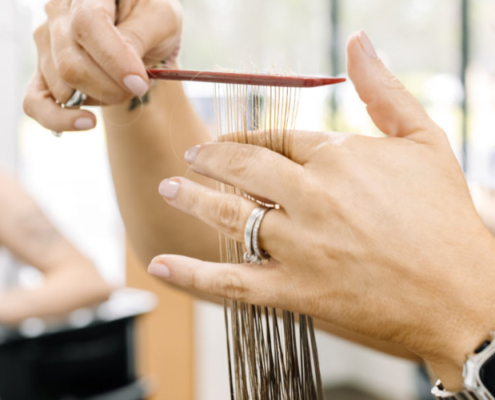 https://www.thecuttingroom.net.au/wp-content/uploads/2026/08/Low-Maintenance-Haircuts.jpg
500
1000
IvanaKKatzAdmin2024
https://www.thecuttingroom.net.au/wp-content/uploads/2025/02/The-Cutting-Room-Black.png
IvanaKKatzAdmin20242026-08-09 18:04:182026-08-09 18:05:05Best Low-Maintenance Haircuts That Grow Out Beautifully
https://www.thecuttingroom.net.au/wp-content/uploads/2026/08/Low-Maintenance-Haircuts.jpg
500
1000
IvanaKKatzAdmin2024
https://www.thecuttingroom.net.au/wp-content/uploads/2025/02/The-Cutting-Room-Black.png
IvanaKKatzAdmin20242026-08-09 18:04:182026-08-09 18:05:05Best Low-Maintenance Haircuts That Grow Out Beautifully https://www.thecuttingroom.net.au/wp-content/uploads/2026/08/Low-Maintenance-Hair.jpg
501
1000
IvanaKKatzAdmin2024
https://www.thecuttingroom.net.au/wp-content/uploads/2025/02/The-Cutting-Room-Black.png
IvanaKKatzAdmin20242026-08-09 18:01:282026-08-09 18:01:28Grey Blending vs Grey Coverage: Which Is Easier to Maintain?
https://www.thecuttingroom.net.au/wp-content/uploads/2026/08/Low-Maintenance-Hair.jpg
501
1000
IvanaKKatzAdmin2024
https://www.thecuttingroom.net.au/wp-content/uploads/2025/02/The-Cutting-Room-Black.png
IvanaKKatzAdmin20242026-08-09 18:01:282026-08-09 18:01:28Grey Blending vs Grey Coverage: Which Is Easier to Maintain?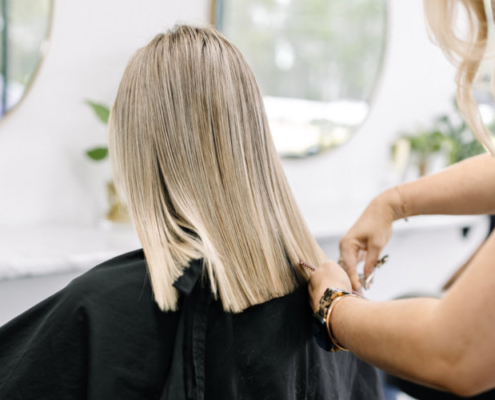 https://www.thecuttingroom.net.au/wp-content/uploads/2026/08/Low-Maintenance-Hair-Colours.jpg
500
1000
IvanaKKatzAdmin2024
https://www.thecuttingroom.net.au/wp-content/uploads/2025/02/The-Cutting-Room-Black.png
IvanaKKatzAdmin20242026-08-09 17:59:042026-08-09 17:59:04Best Low-Maintenance Hair Colours That Still Look Expensive
https://www.thecuttingroom.net.au/wp-content/uploads/2026/08/Low-Maintenance-Hair-Colours.jpg
500
1000
IvanaKKatzAdmin2024
https://www.thecuttingroom.net.au/wp-content/uploads/2025/02/The-Cutting-Room-Black.png
IvanaKKatzAdmin20242026-08-09 17:59:042026-08-09 17:59:04Best Low-Maintenance Hair Colours That Still Look Expensive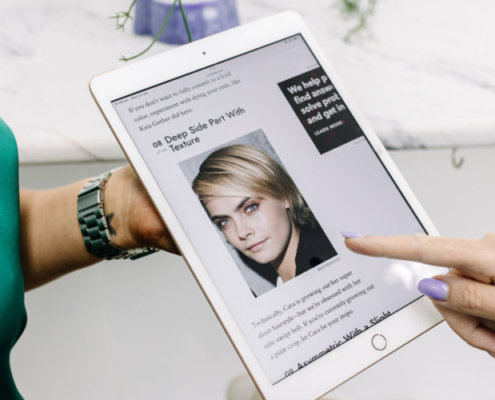 https://www.thecuttingroom.net.au/wp-content/uploads/2026/08/Grey-Blending.jpg
500
1000
IvanaKKatzAdmin2024
https://www.thecuttingroom.net.au/wp-content/uploads/2025/02/The-Cutting-Room-Black.png
IvanaKKatzAdmin20242026-08-09 17:57:552026-08-09 18:02:56Low-Maintenance Hair: How to Look Great Without Living at the Salon
https://www.thecuttingroom.net.au/wp-content/uploads/2026/08/Grey-Blending.jpg
500
1000
IvanaKKatzAdmin2024
https://www.thecuttingroom.net.au/wp-content/uploads/2025/02/The-Cutting-Room-Black.png
IvanaKKatzAdmin20242026-08-09 17:57:552026-08-09 18:02:56Low-Maintenance Hair: How to Look Great Without Living at the Salon
