
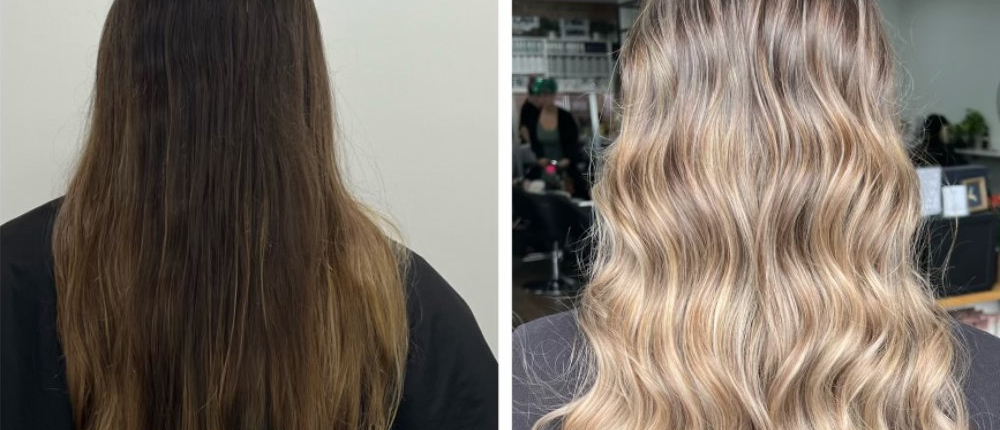
Going From Dark Brown to Blonde: How Many Sessions Will You Need?
You’ve been brunette for years, but lately you’ve found yourself saving photographs of beautiful creamy blondes, soft beige highlights or bright, dimensional blonde hair. You’re ready for a change, but there’s one question you keep coming back to: can you really go from dark brown to blonde, and how many salon appointments will it take?
The answer depends on several things, including whether your dark brown hair is natural or previously coloured, how light you want to go and the condition of your hair. While some brunette-to-blonde transformations can be achieved in one appointment, others require a carefully planned series of visits. And in some cases, the lightest blonde shades may not be achievable without an unacceptable risk of damage.
At The Cutting Room in Riverstone, we approach major blonde transformations with realistic expectations and a personalised colour plan. The goal isn’t simply to make your hair lighter. It’s to create a beautiful result while taking the condition of your hair seriously.
In this guide, we’ll explain what happens when dark hair is lightened, why some transformations take longer than others, what you might expect at different stages and how to prepare for your first consultation.
Can Dark Brown Hair Really Go Blonde?
Yes, dark brown hair can often be lightened to blonde, but not every starting colour can reach every blonde shade in a single appointment. There’s a significant difference between adding warm caramel or honey highlights to dark brown hair and achieving an all-over, very pale platinum blonde.
For example, someone with naturally dark brown hair who wants a dimensional honey blonde may have more flexibility than someone hoping for an extremely cool, almost-white result. The lighter the desired blonde, the more natural pigment generally needs to be lifted from the hair.
Previous colouring also changes the equation. Hair that’s naturally dark brown may respond differently to lightening than hair that has been repeatedly coloured dark brown or black. Even if both look similar before the appointment, the underlying pigments and previous chemical processing can affect the outcome.
Understanding those differences is essential before deciding whether your transformation is likely to involve one appointment or a longer colour journey.
Why Is Going From Dark Brown to Blonde More Complicated?
Hair contains natural pigments that give it its colour. Dark brown hair has a greater concentration of these pigments than naturally blonde hair, so achieving a noticeably lighter shade generally requires more extensive lightening.
As hair is lightened, underlying warm tones become visible. Darker hair commonly passes through red, red-orange, orange and yellow stages as pigment is reduced. This is a normal part of the lightening process, not necessarily an indication that something has gone wrong.
The challenge is reaching the level of lightness needed for your desired shade while managing the effects of chemical processing on the hair. A toner can refine warmth once the hair has been lightened sufficiently, but it cannot turn dark orange hair into pale platinum blonde without additional lightening.
Professional colourists consider the starting level, previous treatments, hair condition and desired finish before deciding how far to lighten the hair. A staged approach may be recommended when attempting the complete transformation in one session would create unnecessary risks.
What Happens to Dark Hair as It Lightens?
This table shows the general progression of underlying warmth that may become visible during lightening. It’s a guide to hair-colour levels, not a prediction of what every client will achieve or a recommended number of appointments.
| Stage of Lightening | Colour You May See | What It Means for Your Blonde Goal |
|---|---|---|
| Darker stages | Red or red-orange undertones | The hair still contains substantial underlying warm pigment and is generally not light enough for a blonde finish. |
| Intermediate stages | Orange or orange-yellow undertones | Some warmer blonde or caramel results may be possible, depending on the achieved level and condition of the hair. |
| Lighter stages | Yellow or pale yellow undertones | The hair may be light enough for a wider range of blonde tones, with the final shade refined through appropriate toning. |
| Very pale blonde | Pale yellow underlying pigment | Very light, cooler blonde finishes may be possible if the hair is sufficiently light and in suitable condition. |
These stages explain why you may not leave your first appointment with exactly the colour in your inspiration photograph. If your hair isn’t ready for further lightening, a warmer or more dimensional intermediate shade may be a more appropriate result while your stylist reassesses the longer-term plan.
Does It Make a Difference If Your Dark Brown Hair Is Natural or Dyed?
Absolutely. This is one of the most important factors when planning a brunette-to-blonde transformation.
Going Blonde From Natural Dark Brown Hair
If your hair is naturally dark brown and hasn’t been previously coloured, your colourist is working primarily with natural pigment. This can make the lightening process more predictable than when multiple layers of artificial colour are present, although the hair’s condition, texture and individual response still matter.
Depending on your goals, carefully placed foils, balayage or other highlighting techniques may create a beautiful dimensional blonde without requiring every strand to be lightened. For a much brighter result, more extensive processing may be necessary.
Going Blonde From Dyed Dark Brown Hair
Previously coloured hair introduces additional challenges. Permanent dark hair colour can remain through the lengths long after you’ve stopped applying it, and repeated applications may leave different amounts of artificial pigment throughout the hair.
When lightener is applied, these sections may respond differently. Some areas might lighten more readily, while others remain noticeably warmer or darker. The ends may also have experienced more chemical processing than the newer hair closer to the scalp.
This is why it’s important to tell your colourist about every previous colour treatment you can remember, including home dyes, colour removers and earlier bleaching. Your stylist may recommend a strand test or a professional colour correction assessment before deciding how to proceed.
The Cleveland Clinic’s information on hair dye safety provides useful background on the considerations involved in chemical hair colouring, including potential damage and reactions.
A Common Misconception: Can You Just Put Blonde Dye Over Dark Brown Dye?
Applying a lighter permanent hair colour over previously dyed dark brown hair generally won’t remove the existing dark artificial pigment and turn the lengths blonde. Professional lightening or colour-removal techniques may be needed, depending on the products previously used and the condition of the hair.
Repeatedly applying home blonde dyes or bleach in an attempt to force the colour lighter can increase the risk of uneven results and damage. If you’ve been colouring your hair dark for years, a professional assessment is a much better starting point than trying to correct it yourself.
For a broader explanation of the available blonde shades and colouring methods, read our complete guide to blonde hair colouring.
How Many Sessions Does It Take to Go From Dark Brown to Blonde?
Going from dark brown to blonde might take one appointment, two or three appointments, or a longer series of sessions. There isn’t a reliable number that applies to everyone because the starting colour, previous treatments, condition of the hair and desired shade can vary considerably.
For example, someone with naturally dark brown hair who wants soft caramel or honey blonde highlights may achieve a noticeable transformation during their first appointment. Someone with years of dark permanent colour who wants an icy platinum blonde may need several stages of colour removal and lightening, and the desired result may not be safely achievable at all.
It’s also important to distinguish between becoming blonder and achieving your final blonde. You might leave your first appointment with beautiful warm highlights or a dimensional bronde, even if your longer-term goal is a much lighter beige or creamy blonde. Those intermediate results can be part of a carefully planned transformation rather than a disappointing outcome.
Brunette-to-Blonde Transformations: What Might Be Involved?
The following table provides examples of how different starting colours and goals can affect the colour journey. These are general scenarios, not guaranteed appointment estimates. Your colourist will need to assess your individual hair before recommending a plan.
| Starting Hair | Desired Result | What to Expect |
|---|---|---|
| Natural dark brown hair | Caramel or honey blonde highlights | Visible blonde dimension may be achievable in one appointment, depending on the hair and technique used. |
| Natural dark brown hair | Bright beige or creamy blonde | More extensive lightening may be required, potentially across multiple appointments. |
| Previously dyed dark brown hair | Dimensional warm blonde | Existing artificial pigment may need to be addressed. Results can vary across different sections of the hair. |
| Repeatedly dyed dark brown or black hair | Very light, cool or platinum blonde | A complex transformation that may require multiple sessions and may not be suitable for the hair’s condition. |
| Dark brown hair with previous highlights | Brighter blonde throughout | The colourist must consider previously lightened sections and avoid unnecessary overlap during further processing. |
For some clients, a balayage or dimensional highlighting approach offers an attractive way to introduce blonde without attempting to lighten every strand. Others may need a more extensive colour plan, particularly when previous dark colour needs to be corrected.
What Happens During a Staged Blonde Transformation?
A staged transformation involves working towards the desired blonde through a series of planned appointments rather than attempting all the lightening at once. This approach can help your colourist assess how the hair responds, manage uneven areas and make informed decisions about whether additional processing is appropriate.
The stages aren’t necessarily the same for everyone, and there isn’t a requirement to progress through particular shades in a fixed order. Your colourist may recommend a different approach depending on your starting colour and how your hair responds.
First Appointment: Assessing and Creating the Initial Change
Your first appointment may involve a detailed consultation, strand testing where appropriate and an initial lightening service. Depending on your hair history, your colourist might recommend highlights, balayage or a colour correction approach to begin moving towards your chosen blonde.
If you’re starting with previously dyed dark hair, the first result may be warmer or deeper than your final goal. Honey, caramel and beige-brown tones can create an attractive intermediate colour while allowing your stylist to assess whether further lightening is appropriate.
Later Appointments: Building Brightness and Refining the Colour
If further lightening is suitable, subsequent appointments may focus on selected darker areas, increasing brightness or refining the overall balance of the colour. Your colourist will assess the condition of previously processed sections before deciding what additional work can be carried out.
Some clients gradually transition towards a brighter blonde, while others decide they love the dimensional colour achieved along the way. The plan can be adjusted as your preferences and hair condition change.
Spacing appointments doesn’t erase existing chemical damage or guarantee that the hair will tolerate more lightening. If the condition of your hair makes further processing inadvisable, your colourist may recommend adjusting the goal or stopping the lightening process.
Final Refinement: Achieving the Right Tone and Dimension
Once the hair has reached a suitable level of lightness, the colourist can refine the tone and placement to create a more polished result. This may involve professional toning, adjusting the contrast between lighter and darker sections or softening the root area for a more blended finish.
For some clients, the finished look is a bright, creamy blonde. For others, a dimensional beige or lived-in blonde offers the best combination of appearance and manageable maintenance.
What Should You Ask at Your Brunette-to-Blonde Consultation?
If you’re planning a significant colour change, a consultation is the best opportunity to understand what’s realistic for your hair. Rather than focusing only on the number of appointments, ask how your stylist intends to approach the transformation and what might influence the result.
Your Blonde Transformation Consultation Checklist
- Is my desired blonde achievable? Ask whether the shade in your inspiration photographs is realistic for your current colour and hair condition.
- Will I need more than one appointment? Discuss whether a staged approach is recommended and what each appointment might involve.
- What could my hair look like between sessions? Ask about possible intermediate shades so you understand what to expect.
- How will previous colour affect the process? Explain your colouring history and ask whether strand testing or colour correction may be needed.
- What are the risks for my hair? Discuss existing damage, breakage and whether further lightening is appropriate.
- What should I budget for? Ask about the likely cost of the initial service, possible additional appointments and ongoing maintenance.
- How will I maintain the finished blonde? Find out whether regular toning, highlights or root appointments may be necessary.
The Cutting Room pricing page provides a starting point for understanding our salon services, although a personalised assessment may be necessary for more complex colour transformations.
Can You Protect Your Hair While Going From Dark Brown to Blonde?
Lightening hair involves chemical changes that can affect its strength and condition. While professional techniques and appropriate product selection can help manage the risks, no method of significant lightening can guarantee completely damage-free results.
The condition of your hair before the first appointment is particularly important. Previously bleached or fragile sections may not tolerate additional processing as well as healthy, uncoloured hair. Your colourist should assess these areas carefully, consider whether strand testing is appropriate and avoid unnecessary overlapping of lightener.
Good home care also matters. The American Academy of Dermatology recommends gentle hair care, conditioning and limiting excessive heat to reduce avoidable damage. These are particularly useful habits when your hair has undergone chemical lightening.
For more detailed advice, read our guide to going blonde while minimising hair damage.
How Much Does It Cost to Go From Dark Brown to Blonde?
The cost of going from dark brown to blonde can vary considerably, particularly when the transformation involves more than one appointment. Your starting colour, previous colouring history, hair length and density, and the amount of lightening required all influence the services involved.
For someone with naturally dark brown hair wanting a few honey or caramel highlights, the process may be relatively straightforward. A client with years of dark permanent colour who wants a very light blonde may need a much more involved colour correction and lightening plan.
It’s also worth considering the ongoing costs. Once you’ve achieved your preferred blonde, maintaining the tone, refreshing highlights and looking after your hair will all form part of your colour routine. A very bright blonde close to the roots may involve more frequent appointments than a softer, lived-in colour with natural depth.
Before committing to a significant transformation, ask your colourist to explain the recommended services, potential additional appointments and likely maintenance requirements. You can also view The Cutting Room’s hair colour pricing for general guidance.
What If Your Hair Can’t Safely Reach Your Dream Blonde?
Sometimes the most professional advice a colourist can give is that a particular shade isn’t realistic for your hair, at least not in its current condition. That can be disappointing when you’ve had your heart set on a specific look, but protecting your hair from excessive damage is more important than forcing it to reach a particular level of lightness.
Fortunately, there are plenty of beautiful alternatives. A warm honey blonde, dimensional bronde or softly blended beige blonde may give you the fresh look you’re hoping for without requiring an extremely pale result. You might also discover that retaining some natural depth makes your blonde look richer and more flattering.
If your hair has uneven colour from previous treatments, your stylist may recommend addressing those areas before attempting further lightening. Our guide to hair colour correction and what to expect explains why correcting existing colour can sometimes be an important part of a larger transformation.
Ready to Go From Brunette to Blonde?
Going from dark brown to blonde can be a beautiful transformation, but the best results begin with realistic expectations and a personalised plan. Whether your goal is soft caramel highlights, a creamy beige blonde or something much brighter, understanding your starting colour and hair condition is essential.
At The Cutting Room in Riverstone, our experienced colourists can assess your hair, discuss the blonde you’re hoping to achieve and recommend an approach that balances your goals with the condition of your hair.
Explore our Blonde Transformations service and take the first step towards your new colour.
Frequently asked questions
How many sessions does it take to go from dark brown to blonde?
Going from dark brown to blonde may take one appointment or several sessions, depending on your starting colour, previous colouring history, hair condition and desired shade. Natural dark brown hair may be easier to lighten predictably than hair that’s been repeatedly dyed dark. Honey or caramel highlights may be achievable sooner than a very pale platinum blonde. A professional consultation is needed to estimate the number of sessions, and not every blonde shade will be achievable for every client.
Can you go from dark brown to blonde in one day?
Sometimes. If your hair is naturally dark brown, in suitable condition and you’re aiming for a warmer or more dimensional blonde, a noticeable transformation may be possible in one appointment. Very light blonde shades or hair containing previous dark colour can require more extensive processing. Attempting too much lightening in one day can increase the risk of damage, so your colourist should assess what is appropriate for your hair.
Is it harder to go blonde if you’ve dyed your hair dark brown?
Generally, yes. Previously dyed dark hair can contain layers of artificial pigment that don’t lighten as predictably as natural colour. Different sections may respond unevenly, especially if you’ve applied permanent colour repeatedly. Your stylist may recommend strand testing, colour correction or a gradual lightening plan to manage these challenges.
What colour will dark brown hair turn when bleached?
Dark brown hair commonly reveals warm undertones as it lightens, progressing through red-orange, orange, orange-yellow and yellow as pigment is reduced. The stage reached depends on the hair and the lightening process. Professional toning can refine the warmth once the hair is light enough for the desired shade, but toner alone cannot turn dark orange hair into pale platinum blonde.
Can you go from dark brown to blonde without damaging your hair?
Lightening chemically changes the hair and carries some risk of damage. Professional assessment, careful processing and appropriate aftercare can help manage that risk, but no significant lightening technique can guarantee completely damage-free results. Hair that’s already fragile, bleached or heavily processed may not be suitable for further lightening.
How long should you wait between brunette-to-blonde appointments?
There’s no universal waiting period. The appropriate interval depends on your hair’s condition, the processing involved in the previous appointment and whether further lightening is advisable. Waiting several weeks doesn’t automatically repair chemical damage or make the next lightening service safe. Your colourist should reassess your hair before recommending another session.
Is balayage better than full head foils when going from dark brown to blonde?
Neither technique is automatically better. Balayage can create softly blended blonde highlights while retaining natural depth, making it appealing for clients who prefer a dimensional result. Full head foils may provide more extensive brightness throughout the hair. The most suitable approach depends on your starting colour, existing pigment, hair condition and desired level of blonde.
You may also be interested in …
 https://www.thecuttingroom.net.au/wp-content/uploads/2026/10/How-much-does-it-cost-to-go-blonde.jpg
500
1000
IvanaKKatzAdmin2024
https://www.thecuttingroom.net.au/wp-content/uploads/2025/02/The-Cutting-Room-Black.png
IvanaKKatzAdmin20242026-10-13 08:52:452026-10-13 08:52:45How Much Does It Cost to Go Blonde … and Maintain It?
https://www.thecuttingroom.net.au/wp-content/uploads/2026/10/How-much-does-it-cost-to-go-blonde.jpg
500
1000
IvanaKKatzAdmin2024
https://www.thecuttingroom.net.au/wp-content/uploads/2025/02/The-Cutting-Room-Black.png
IvanaKKatzAdmin20242026-10-13 08:52:452026-10-13 08:52:45How Much Does It Cost to Go Blonde … and Maintain It? https://www.thecuttingroom.net.au/wp-content/uploads/2026/10/Why-does-blonde-hair-turn-brassy.jpg
500
1000
IvanaKKatzAdmin2024
https://www.thecuttingroom.net.au/wp-content/uploads/2025/02/The-Cutting-Room-Black.png
IvanaKKatzAdmin20242026-10-13 08:51:402026-10-13 08:51:40Why Does Blonde Hair Turn Brassy? Yellow and Orange Tones Explained
https://www.thecuttingroom.net.au/wp-content/uploads/2026/10/Why-does-blonde-hair-turn-brassy.jpg
500
1000
IvanaKKatzAdmin2024
https://www.thecuttingroom.net.au/wp-content/uploads/2025/02/The-Cutting-Room-Black.png
IvanaKKatzAdmin20242026-10-13 08:51:402026-10-13 08:51:40Why Does Blonde Hair Turn Brassy? Yellow and Orange Tones Explained https://www.thecuttingroom.net.au/wp-content/uploads/2026/10/Going-from-dark-to-blonde.jpg
500
1000
IvanaKKatzAdmin2024
https://www.thecuttingroom.net.au/wp-content/uploads/2025/02/The-Cutting-Room-Black.png
IvanaKKatzAdmin20242026-10-13 08:50:262026-10-13 08:50:26Going From Dark Brown to Blonde: How Many Sessions Will You Need?
https://www.thecuttingroom.net.au/wp-content/uploads/2026/10/Going-from-dark-to-blonde.jpg
500
1000
IvanaKKatzAdmin2024
https://www.thecuttingroom.net.au/wp-content/uploads/2025/02/The-Cutting-Room-Black.png
IvanaKKatzAdmin20242026-10-13 08:50:262026-10-13 08:50:26Going From Dark Brown to Blonde: How Many Sessions Will You Need? https://www.thecuttingroom.net.au/wp-content/uploads/2026/10/What-is-lived-in-blonde.jpg
500
1000
IvanaKKatzAdmin2024
https://www.thecuttingroom.net.au/wp-content/uploads/2025/02/The-Cutting-Room-Black.png
IvanaKKatzAdmin20242026-10-13 08:49:252026-10-13 08:49:25What Is Lived-In Blonde? The Colour That Grows Out Beautifully
https://www.thecuttingroom.net.au/wp-content/uploads/2026/10/What-is-lived-in-blonde.jpg
500
1000
IvanaKKatzAdmin2024
https://www.thecuttingroom.net.au/wp-content/uploads/2025/02/The-Cutting-Room-Black.png
IvanaKKatzAdmin20242026-10-13 08:49:252026-10-13 08:49:25What Is Lived-In Blonde? The Colour That Grows Out Beautifully https://www.thecuttingroom.net.au/wp-content/uploads/2026/10/Full-head-foils-vs-half-head.jpg
500
1000
IvanaKKatzAdmin2024
https://www.thecuttingroom.net.au/wp-content/uploads/2025/02/The-Cutting-Room-Black.png
IvanaKKatzAdmin20242026-10-13 08:48:242026-10-13 08:48:24Full Head Foils vs Half Head Foils: What’s the Difference and Which Do You Need?
https://www.thecuttingroom.net.au/wp-content/uploads/2026/10/Full-head-foils-vs-half-head.jpg
500
1000
IvanaKKatzAdmin2024
https://www.thecuttingroom.net.au/wp-content/uploads/2025/02/The-Cutting-Room-Black.png
IvanaKKatzAdmin20242026-10-13 08:48:242026-10-13 08:48:24Full Head Foils vs Half Head Foils: What’s the Difference and Which Do You Need? https://www.thecuttingroom.net.au/wp-content/uploads/2026/10/The-Complete-Guide-to-Blonde-Hair-Colouring.jpg
500
1000
IvanaKKatzAdmin2024
https://www.thecuttingroom.net.au/wp-content/uploads/2025/02/The-Cutting-Room-Black.png
IvanaKKatzAdmin20242026-10-13 08:47:282026-10-13 08:47:28The Complete Guide to Blonde Hair Colouring: Techniques, Tones and Transformations
https://www.thecuttingroom.net.au/wp-content/uploads/2026/10/The-Complete-Guide-to-Blonde-Hair-Colouring.jpg
500
1000
IvanaKKatzAdmin2024
https://www.thecuttingroom.net.au/wp-content/uploads/2025/02/The-Cutting-Room-Black.png
IvanaKKatzAdmin20242026-10-13 08:47:282026-10-13 08:47:28The Complete Guide to Blonde Hair Colouring: Techniques, Tones and Transformations
