

Low-Maintenance Haircuts That Grow Out Beautifully
A low-maintenance haircut is not simply a haircut that looks good when you leave the salon. It is a haircut that still makes sense weeks later, after you have washed it yourself, slept on it, tied it up, let it air-dry and generally lived your life.
That distinction matters because some cuts are incredibly flattering when freshly styled but demand a surprising amount of work at home. Others are designed to move with your natural texture, sit well without constant heat styling and maintain their shape as they grow. If your goal is to spend less time wrestling with your hair in the morning, that second category is where you want to be.
The best low-maintenance haircut will depend on your hair density, natural texture, growth patterns, face shape and how much effort you are realistically prepared to put into styling. There is no single “easy haircut” that works for everyone. A cut that is effortless on fine, straight hair can be a nightmare on thick, wavy hair, and vice versa.
What Actually Makes a Haircut Low Maintenance?
A haircut becomes low maintenance when the shape works with your natural hair rather than relying on daily styling to force it into place. That means the cut should take into account how your hair naturally falls, where it bends, how much volume it has and which areas tend to puff, collapse or flick out.
It should also suit your actual routine. If you are happy to blow-dry your hair every morning, you have more options than someone who wants to wash, air-dry and walk out the door. Neither approach is better, but your stylist needs to know which one applies to you before they start cutting.
Low maintenance also means thinking beyond the first few weeks. Some cuts lose their shape quickly and start to feel awkward as they grow. Others soften gradually and continue looking intentional for much longer. If you do not want frequent appointments, tell your stylist that from the outset.
For a broader look at reducing both salon and at-home upkeep, have a look at our guide to low-maintenance hair.
Long Layers Can Be a Great Low-Maintenance Choice
Long layers can work beautifully for people who want movement without having to maintain a very structured shape. Because the overall length remains, the haircut usually grows out quite softly and does not suddenly look “wrong” after a few centimetres of growth.
They can be especially useful for thick hair because they remove some heaviness and help the hair move more naturally. On wavy hair, well-placed layers can encourage shape and help the texture sit better without as much styling.
The important part is balance. Too many short layers can create extra volume or make the ends feel thin, particularly on finer hair. The best version is usually one that adds movement without creating a cut that has to be blow-dried into submission every morning.
One-Length Cuts Can Be Easy — But Not for Everyone
A one-length or blunt cut can look beautifully polished and can be surprisingly easy to manage, particularly on straight or slightly wavy hair. Because there are fewer internal layers, the shape is simple and the ends can look thick and healthy.
However, the same cut can become heavy on very thick hair or create a triangular shape on certain wavy or curly textures. In those cases, some internal shaping may be needed to reduce bulk and help the hair sit more naturally.
This is why copying a haircut from a photo without considering texture can backfire. The shape may look effortless on the person in the image because their hair behaves very differently from yours.
The Lob: A Good Middle Ground
The long bob, or lob, is popular because it offers the polish of a shorter cut without requiring the same level of precision as a very short bob. It usually sits somewhere between the shoulders and collarbone, which gives you enough length to tie it back while still creating a strong shape.
For many clients, that makes it a very practical option. It can be worn straight, wavy or softly textured, and it tends to grow out more gracefully than a shorter, highly structured bob.
The exact length matters though. If the cut sits right on the shoulders, some hair types can flick outward. Going slightly above or below that point can sometimes make it easier to manage, depending on how your hair naturally falls.
Are Bobs Low Maintenance?
They can be, but not automatically.
A soft, slightly longer bob can be relatively easy to maintain if it works with your natural texture. A short, sharp or highly precise bob may need more regular trimming because the shape is part of what makes the haircut look polished.
If the cut relies on a clean jawline or very exact perimeter, a small amount of growth can change the silhouette quite quickly. That does not make it a bad haircut. It simply means it may not suit someone who wants to stretch appointments as long as possible.
If you love the look of a bob but want lower maintenance, ask your stylist whether a slightly longer or softer version would suit your hair better.
Low-Maintenance Haircuts for Wavy Hair
Wavy hair often becomes much easier to manage when the haircut is designed to support the natural movement rather than flatten it out.
Longer layers can help remove weight and allow the wave to form more evenly, while strategic shaping can stop the hair from looking bulky through the lower half. The goal is usually to create movement without introducing so many layers that the hair becomes fluffy or difficult to control.
If your waves already form nicely when air-dried, your stylist can work with that. You may find that the easiest haircut is one that lets the natural texture do most of the work.
Low-Maintenance Haircuts for Curly Hair
Curly hair needs a haircut that takes shrinkage, curl pattern, density and volume into account. A shape that looks balanced when wet can sit very differently once the curls dry, which is why curly hair should never be approached as if it behaves like straight hair.
For lower maintenance, the cut should help the curls fall into a shape that looks intentional without constant manipulation. That may involve removing weight in some areas while preserving enough length in others to prevent the hair from springing up too much.
There is also no universal rule about layers for curly hair. Some curl patterns need them to create movement and avoid a heavy triangular shape, while others can become too voluminous if layered too aggressively.
Low-Maintenance Haircuts for Fine Hair
Fine hair often benefits from keeping enough weight through the ends to create the appearance of density. Too many layers can make the hair look thinner, particularly if the ends are already delicate.
A blunt bob, lob or longer cut with minimal layering can often be easier to style because the shape feels fuller without needing lots of product or heat. Soft face-framing pieces can still add movement without sacrificing too much density.
The biggest mistake is assuming that more layers automatically create more volume. On fine hair, they can sometimes do the opposite.
Low-Maintenance Haircuts for Thick Hair
Thick hair can become high maintenance when there is too much weight in the wrong places. The result can be excessive bulk, long drying times and a shape that feels heavy rather than polished.
Strategic layering and internal weight removal can make a huge difference. The aim is not to thin the hair indiscriminately, but to remove bulk where it helps the haircut sit better while preserving enough density for the shape to stay strong.
For many people with thick hair, the right cut reduces styling time simply because the hair dries more evenly and moves more naturally.
Fringes: Stylish, but Usually Not the Lowest-Maintenance Option
Fringes can look fantastic, but they deserve an honest mention in any low-maintenance haircut discussion.
Because they sit around the face, even a small amount of growth can change how they fall. They may also need more frequent washing, styling and trimming than the rest of the haircut, particularly if your hair has strong growth patterns, cowlicks or natural wave around the hairline.
If you want the look without quite as much upkeep, curtain bangs or longer face-framing pieces can be a more forgiving option. They tend to blend into the rest of the haircut as they grow, which gives you more flexibility between trims.
The Best Low-Maintenance Haircuts Air-Dry Well
If you want genuinely easy hair, one of the most useful questions to ask is: what happens if I do absolutely nothing?
If the haircut only looks good after a full blow-dry, round brush and finishing iron, it may not be particularly low maintenance for you. A haircut that air-dries well is usually designed around your natural texture and growth patterns, so the shape does not rely entirely on styling.
That does not mean it has to look identical air-dried and professionally styled. The salon finish will always be more polished. The point is that the haircut should still look intentional when you leave it alone.
How Often Do Low-Maintenance Haircuts Need Trimming?
There is no single answer because the timing depends on the haircut, length and how quickly your hair grows. Short, highly structured cuts generally need more frequent reshaping because the silhouette changes quickly. Longer, softer cuts tend to be more forgiving.
If you want to reduce the number of appointments you need, say that during your consultation. Your stylist may recommend a slightly softer shape, less aggressive layering or a length that grows out more gracefully.
That is a much better strategy than choosing a high-maintenance haircut and then simply leaving it too long between trims.
Sometimes the Haircut Is Not the Real Problem
There are also situations where changing the haircut will only solve part of the problem.
If you spend a large amount of time straightening, smoothing or controlling frizz every morning, the real source of the maintenance may be your hair texture rather than the cut itself.
In that situation, a treatment such as Nanoplasty may be worth discussing. Nanoplasty is designed to smooth the hair, reduce frizz and make it easier to manage, which can significantly reduce the amount of daily styling some clients need.
If you want to understand how it works across different textures, our guide to Nanoplasty for different hair types explains this in more detail.
What to Tell Your Stylist If You Want an Easy Haircut
The most useful thing you can do is be honest about your routine.
If you never blow-dry your hair, say so. If you only want to spend ten minutes styling in the morning, say that too. If you need to be able to tie your hair up, mention it. If you hate hair falling around your face or know you will not return for a trim every six weeks, those details matter.
Your stylist can only design a haircut around your lifestyle if they know what that lifestyle actually looks like.
A good consultation should consider not only what will flatter you today, but how the haircut will behave after several weeks of growth and how much effort it will take you to maintain the look at home.
A Good Haircut Should Make Your Life Easier
The best low-maintenance haircut is not necessarily the trendiest or the one you have seen most often on social media. It is the one that works with your hair rather than against it, fits your routine and still looks like a deliberate style as it grows.
That may mean long layers, a soft lob, a blunt shape, a curly cut or something completely different. The right answer depends on your natural texture, density and how much styling you actually want to do.
If you are ready for a haircut designed around your lifestyle, explore our Haircuts & Styling services at The Cutting Room. We can help you choose a shape that looks great on the day and still works when you are the one styling it at home.
Frequently asked questions
What is the most low-maintenance haircut?
The most low-maintenance haircut is one that works with your natural hair texture, density and growth patterns. Longer layers, soft lobs and simple one-length cuts can all be easy to manage, but there isn’t one haircut that works for everyone. The key is choosing a shape that still sits well when you air-dry it and continues to look intentional as it grows.
What haircut grows out the best?
Softer, less structured haircuts generally grow out more gracefully than highly precise styles. Long layers, longer bobs and cuts with subtle face-framing can often tolerate more growth without losing their overall shape. Short or very structured cuts usually need reshaping more frequently.
What is the easiest haircut to maintain without styling?
If you don’t want to style your hair every day, choose a haircut designed around your natural texture. For straight hair, that might be a blunt or softly layered cut. Wavy and curly hair often benefits from carefully placed layers that encourage its natural movement. Tell your stylist that you plan to air-dry your hair so they can design the cut accordingly.
Are layers low maintenance?
They can be, particularly when they are long and strategically placed. Layers can remove bulk from thick hair, encourage movement in wavy hair and help some hair types fall more naturally. However, too many short layers can create additional styling work or make fine hair appear thinner, so the right layering depends on your hair.
Is short or long hair easier to maintain?
Longer hair often requires fewer salon appointments because small amounts of growth don’t dramatically change the overall shape. Short hair may take less time to wash and dry, but precision cuts usually need more frequent trimming. The easier option depends on whether salon maintenance or daily styling is your bigger concern.
Are bobs low maintenance?
Some are. A longer or softer bob can grow out quite gracefully, while a short, highly structured bob may need regular trims to maintain its shape. Your natural texture also matters because some bobs air-dry beautifully while others require blow-drying or straightening to achieve the intended finish.
What haircut is best for thick hair with frizz?
Thick, frizz-prone hair often benefits from strategic layering and weight removal rather than simply being heavily thinned. If controlling frizz is taking more time than styling the actual haircut, it may also be worth discussing a smoothing treatment such as Nanoplasty with your stylist.
How often should I cut my hair if I want it to be low maintenance?
There isn’t a fixed schedule. Short, structured styles generally need trimming more frequently, while longer and softer shapes can usually go longer between appointments. If you want to minimise salon visits, tell your stylist before the cut so they can choose a shape designed to grow out well.
You may also be interested in …
 https://www.thecuttingroom.net.au/wp-content/uploads/2026/08/Balayage-vs-Highlights.jpg
500
1000
IvanaKKatzAdmin2024
https://www.thecuttingroom.net.au/wp-content/uploads/2025/02/The-Cutting-Room-Black.png
IvanaKKatzAdmin20242026-08-09 18:07:102026-08-09 18:07:10Balayage vs Highlights: Which Is More Low Maintenance?
https://www.thecuttingroom.net.au/wp-content/uploads/2026/08/Balayage-vs-Highlights.jpg
500
1000
IvanaKKatzAdmin2024
https://www.thecuttingroom.net.au/wp-content/uploads/2025/02/The-Cutting-Room-Black.png
IvanaKKatzAdmin20242026-08-09 18:07:102026-08-09 18:07:10Balayage vs Highlights: Which Is More Low Maintenance? https://www.thecuttingroom.net.au/wp-content/uploads/2026/08/How-to-m-ake-your-hair-colour-last.jpg
500
1000
IvanaKKatzAdmin2024
https://www.thecuttingroom.net.au/wp-content/uploads/2025/02/The-Cutting-Room-Black.png
IvanaKKatzAdmin20242026-08-09 18:06:132026-08-09 18:06:13How to Make Your Hair Colour Last Longer Between Salon Visits
https://www.thecuttingroom.net.au/wp-content/uploads/2026/08/How-to-m-ake-your-hair-colour-last.jpg
500
1000
IvanaKKatzAdmin2024
https://www.thecuttingroom.net.au/wp-content/uploads/2025/02/The-Cutting-Room-Black.png
IvanaKKatzAdmin20242026-08-09 18:06:132026-08-09 18:06:13How to Make Your Hair Colour Last Longer Between Salon Visits https://www.thecuttingroom.net.au/wp-content/uploads/2026/08/Low-Maintenance-Haircuts.jpg
500
1000
IvanaKKatzAdmin2024
https://www.thecuttingroom.net.au/wp-content/uploads/2025/02/The-Cutting-Room-Black.png
IvanaKKatzAdmin20242026-08-09 18:04:182026-08-09 18:05:05Best Low-Maintenance Haircuts That Grow Out Beautifully
https://www.thecuttingroom.net.au/wp-content/uploads/2026/08/Low-Maintenance-Haircuts.jpg
500
1000
IvanaKKatzAdmin2024
https://www.thecuttingroom.net.au/wp-content/uploads/2025/02/The-Cutting-Room-Black.png
IvanaKKatzAdmin20242026-08-09 18:04:182026-08-09 18:05:05Best Low-Maintenance Haircuts That Grow Out Beautifully https://www.thecuttingroom.net.au/wp-content/uploads/2026/08/Low-Maintenance-Hair.jpg
501
1000
IvanaKKatzAdmin2024
https://www.thecuttingroom.net.au/wp-content/uploads/2025/02/The-Cutting-Room-Black.png
IvanaKKatzAdmin20242026-08-09 18:01:282026-08-09 18:01:28Grey Blending vs Grey Coverage: Which Is Easier to Maintain?
https://www.thecuttingroom.net.au/wp-content/uploads/2026/08/Low-Maintenance-Hair.jpg
501
1000
IvanaKKatzAdmin2024
https://www.thecuttingroom.net.au/wp-content/uploads/2025/02/The-Cutting-Room-Black.png
IvanaKKatzAdmin20242026-08-09 18:01:282026-08-09 18:01:28Grey Blending vs Grey Coverage: Which Is Easier to Maintain?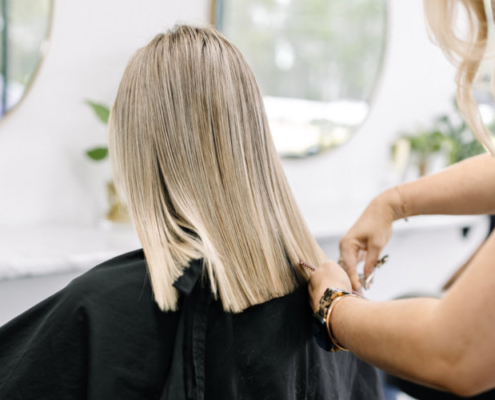 https://www.thecuttingroom.net.au/wp-content/uploads/2026/08/Low-Maintenance-Hair-Colours.jpg
500
1000
IvanaKKatzAdmin2024
https://www.thecuttingroom.net.au/wp-content/uploads/2025/02/The-Cutting-Room-Black.png
IvanaKKatzAdmin20242026-08-09 17:59:042026-08-09 17:59:04Best Low-Maintenance Hair Colours That Still Look Expensive
https://www.thecuttingroom.net.au/wp-content/uploads/2026/08/Low-Maintenance-Hair-Colours.jpg
500
1000
IvanaKKatzAdmin2024
https://www.thecuttingroom.net.au/wp-content/uploads/2025/02/The-Cutting-Room-Black.png
IvanaKKatzAdmin20242026-08-09 17:59:042026-08-09 17:59:04Best Low-Maintenance Hair Colours That Still Look Expensive https://www.thecuttingroom.net.au/wp-content/uploads/2026/08/Grey-Blending.jpg
500
1000
IvanaKKatzAdmin2024
https://www.thecuttingroom.net.au/wp-content/uploads/2025/02/The-Cutting-Room-Black.png
IvanaKKatzAdmin20242026-08-09 17:57:552026-08-09 18:02:56Low-Maintenance Hair: How to Look Great Without Living at the Salon
https://www.thecuttingroom.net.au/wp-content/uploads/2026/08/Grey-Blending.jpg
500
1000
IvanaKKatzAdmin2024
https://www.thecuttingroom.net.au/wp-content/uploads/2025/02/The-Cutting-Room-Black.png
IvanaKKatzAdmin20242026-08-09 17:57:552026-08-09 18:02:56Low-Maintenance Hair: How to Look Great Without Living at the Salon
