
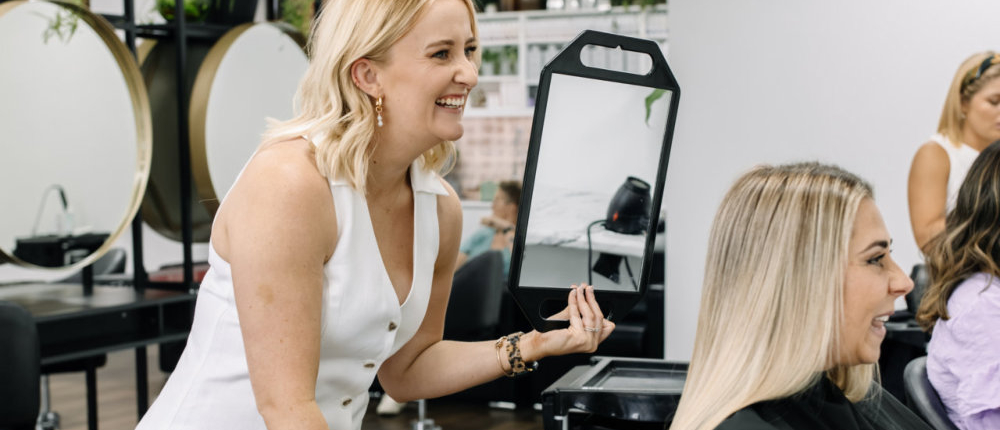
The Complete Guide to Blonde Hair Colouring: Techniques, Tones and Transformations
There’s something about finding the perfect blonde. Whether it’s a bright, creamy blonde that catches the light, a soft honey shade that complements your complexion or a beautifully blended lived-in blonde, the right colour can completely transform the way your hair looks and feels.
But achieving a beautiful blonde isn’t always as straightforward as choosing a photograph and asking your hairdresser to recreate it. There are dozens of blonde shades, several different lightening techniques and plenty of factors that influence the finished result. Your natural hair colour, previous colouring history, hair condition and even how often you’re prepared to visit the salon all play an important part.
At The Cutting Room in Riverstone, our experienced colourists take a personalised approach to blonde hair. From subtle highlights to dramatic brunette-to-blonde transformations, every colour is carefully planned around the individual client. It’s about understanding what you want to achieve, choosing the right techniques and creating a result that looks beautiful while maintaining the best possible condition of your hair.
In this guide, we’ll explore the different types of blonde, explain how professional colouring techniques work, discuss what influences your results and help you understand what to expect when booking a blonde colour appointment. Whether you’re considering blonde for the first time or looking to improve the colour you already have, you’ll have a much clearer idea of your options.
Understanding Blonde Hair Colour: It’s About More Than Going Lighter
One of the biggest misconceptions about blonde colouring is that all blonde hair is essentially the same, just lighter or darker. In reality, creating a beautiful blonde involves carefully balancing three important elements: the level of lightness, the tone of the colour and the amount of dimension throughout the hair.
Two clients can both ask for a beige blonde and end up needing completely different colouring approaches. Someone with naturally light brown, previously uncoloured hair may require a relatively straightforward lightening service. Someone with dark brown hair that’s been coloured repeatedly may need several carefully planned appointments before a similar result is achievable.
Understanding these differences helps explain why professional blonde colouring is such a specialised service and why the consultation is an important part of the process.
1. The Level of Lightness
Professional hair colour is generally described using a numbering system that indicates how light or dark the hair is. Lower numbers represent darker colours, while higher numbers represent lighter blondes. For example, a dark blonde is typically around level 6, while very light blonde shades may reach levels 9 or 10.
However, the level you want to achieve isn’t necessarily the level your hair can safely reach in one appointment. Natural pigment, previous colour applications and the condition of your hair all influence how much lightening is possible. A professional colourist considers these factors before deciding which products, techniques and processing methods are appropriate.
2. The Tone of Your Blonde
Tone is what gives blonde hair its particular character. A golden blonde has warm, yellow-gold undertones, while an ash blonde has a cooler appearance. Beige and creamy blondes often balance warmth and coolness to create a softer, more neutral finish.
When hair is lightened, underlying warm pigments become visible. Depending on the starting colour and how far the hair is lifted, these can range from red-orange and orange through to yellow. Professional toning helps refine that warmth to achieve the desired blonde shade, but it cannot substitute for sufficient lightening when a much paler result is required.
Choosing the right tone is also about personal preference. Some clients love the brightness of cooler blondes, while others find warmer honey or golden shades more flattering. Your stylist can help you explore different options rather than assuming that one particular blonde suits everyone.
3. Depth and Dimension
Beautiful blonde hair doesn’t always mean making every strand the same colour. In fact, retaining some natural depth or introducing carefully placed lighter and darker tones can make blonde hair look richer, more dimensional and beautifully blended.
This is particularly important with lived-in blonde, balayage and modern highlighting techniques. The contrast between lighter pieces and deeper tones creates movement and helps different sections of the hair catch the light. Depending on the placement, it can also create a softer transition as your natural colour grows through.
For clients who want a brighter, more uniform blonde, a different approach may be appropriate. The key is choosing the right balance of lightness and dimension for the finished look you’re hoping to achieve.
If you’re unsure which shades might complement your features, our guide to the best blonde shades for different skin tones explores the options in more detail.
Blonde Hair Shades at a Glance
| Blonde Shade | What It Looks Like | Things to Consider |
|---|---|---|
| Platinum Blonde | Very pale, icy or almost white | Usually requires significant lightening and regular maintenance |
| Creamy Blonde | Soft, bright blonde with neutral or buttery tones | Can be adapted for a brighter or more blended finish |
| Beige Blonde | Natural-looking blonde with balanced warm and cool tones | Works beautifully with dimensional highlights |
| Honey & Golden Blonde | Warm, rich blonde with golden or caramel undertones | Ideal for those who prefer warmth rather than an icy finish |
| Ash Blonde | Cool, muted blonde with minimal golden warmth | Cool tones may need refreshing as they fade |
| Champagne Blonde | Soft, luminous blonde combining beige and creamy tones | Reference photos help clarify the desired balance of tones |
Exploring the Different Types of Blonde Hair
Blonde hair comes in an incredible range of shades, from bright, almost-white platinum to rich honey blondes with beautiful golden undertones. Even colours that look similar in photographs can have quite different tones, levels of brightness and maintenance requirements.
Choosing your ideal blonde isn’t simply a matter of deciding whether you prefer warm or cool colours. It’s also about how much contrast you want against your natural hair, whether you prefer a polished or more relaxed finish, and how frequently you’re comfortable returning to the salon for maintenance.
Here are some of the most popular blonde shades and what makes each one different.
Platinum Blonde – Bright, Bold and High Maintenance
Platinum blonde is one of the lightest blonde shades, characterised by its extremely pale appearance and minimal visible warmth. Depending on the desired finish, it can look icy, silvery or almost white. It’s a striking choice for anyone who loves a dramatic blonde and wants their colour to make a statement.
Achieving platinum requires the hair to be lifted to a very light level before the final tone can be refined. For clients starting with naturally darker hair, or hair that has been previously coloured, this may involve multiple appointments. Some hair types and colour histories may also make platinum an unsuitable goal if reaching that level would compromise the condition of the hair.
Platinum is generally a higher-maintenance blonde, particularly when the colour starts close to the scalp. Natural regrowth becomes noticeable relatively quickly, and the pale tone may require regular refreshing to maintain the desired finish. It’s important to consider both the initial appointment and the ongoing commitment before choosing this shade.
Creamy Blonde – Soft, Light and Luxurious
Creamy blonde is a beautifully balanced shade that combines brightness with a soft, natural-looking finish. Rather than appearing extremely icy or strongly golden, it often has subtle buttery, vanilla or neutral tones that give the hair a luminous appearance.
It’s a popular option for clients who want noticeably light hair without the starkness of platinum. Creamy blonde can be created with different levels of brightness, from softly highlighted hair to a much lighter overall result, depending on your starting colour and desired finish.
One of the advantages of creamy blonde is its versatility. It can be paired with brighter pieces around the face, softer depth at the roots or a more evenly lightened finish. The maintenance required depends largely on the colouring technique and how much contrast there is between the blonde and your natural regrowth.
Beige Blonde – Understated and Beautifully Balanced
Beige blonde sits between warm and cool tones, creating a soft, sophisticated colour that doesn’t appear overly golden or noticeably ashy. It often combines muted blonde tones with subtle neutral warmth, producing a natural-looking result that works particularly well with dimensional colouring.
For clients who find very cool blondes too stark and golden blondes a little too warm, beige can be an appealing middle ground. It also works beautifully with darker root areas, soft highlights and blended colour placement.
Beige blonde isn’t one fixed shade. It can range from a deeper, slightly sandy blonde to a lighter champagne-beige finish. Your colourist can adjust the balance of tones to suit your starting colour and the overall effect you’re hoping to achieve.
Honey and Golden Blonde – Warmth, Richness and Shine
Honey blonde and golden blonde are characterised by their warmer undertones. Honey blonde often combines golden, amber and soft caramel tones, while golden blonde can be brighter and more distinctly yellow-gold. Both can create a rich, sunlit appearance, particularly when lighter pieces are placed throughout the hair.
These shades are worth considering if you prefer warmth rather than an icy or ash finish. They can also provide an attractive option for clients starting with darker hair who want a lighter look without necessarily aiming for an extremely pale blonde.
That doesn’t mean warm blondes are automatically easier to achieve or maintain. The process still depends on the natural colour, existing pigment and condition of your hair. However, the desired result may not require the same degree of lightening as very pale platinum shades.
Warmth is also different from unwanted brassiness. A beautiful golden blonde has intentional, balanced warmth, whereas brassiness refers to yellow or orange tones that are stronger or less even than intended. We’ll explore this distinction in more detail in our separate guide to why blonde hair turns brassy.
Ash Blonde – Cool, Muted and Modern
Ash blonde has cooler undertones that help create a muted, smoky or slightly silvery appearance. Depending on the depth and lightness, it can range from dark ash blonde to a much brighter, cooler result.
This shade appeals to clients who dislike strong golden tones and prefer a more neutral or cool-looking blonde. Ash tones can look particularly beautiful when combined with darker roots and lighter highlights, creating contrast without excessive warmth.
One thing to understand about ash blonde is that cool tones can fade between appointments, allowing more of the hair’s underlying warmth to become visible. Appropriate home care and occasional toning may help maintain the desired colour, although the right maintenance plan will depend on your particular blonde.
Champagne Blonde – A Soft Blend of Warm and Cool
Champagne blonde combines delicate beige, creamy and sometimes slightly golden tones to create a refined, luminous colour. It often has a softer appearance than a very cool platinum blonde and less obvious warmth than a traditional golden blonde.
Because champagne blonde balances different tones, it can create a beautiful multidimensional finish rather than looking like one flat colour. It works especially well with carefully placed highlights, subtle lowlights or a softly blended root area.
The term champagne blonde can describe slightly different results depending on the salon and reference photograph. Bringing examples of colours you love is useful, as it helps your stylist understand whether you’re drawn to a lighter, cooler champagne or something warmer and more beige.
Lived-In Blonde – Effortless Colour With Softer Regrowth
Lived-in blonde is less about one particular shade and more about how the colour is placed and blended. Instead of creating a strong contrast between freshly lightened hair and natural regrowth, the colour is designed with softer transitions, often keeping more natural depth near the roots.
The result can be anything from a softly highlighted brunette-blonde combination to a bright, dimensional blonde with a shadowed root. What these looks have in common is a more gradual transition as the hair grows, making them appealing to clients who don’t want frequent appointments to maintain a sharply defined root colour.
Lived-in blonde may involve balayage, foils, root blending or a combination of techniques. The best approach depends on the starting colour and how light you want the finished result to be.
Although this style can offer more flexibility between major lightening appointments, it’s not completely maintenance-free. Some clients still benefit from toner refreshes, conditioning treatments or occasional highlighting to maintain the colour they love.
We’ll explore the techniques and maintenance options in more detail in our upcoming guide to lived-in blonde hair.
Which Blonde Shade Should You Choose?
If you’re feeling overwhelmed by the options, you’re certainly not alone. The same blonde shade can look quite different depending on the hair’s starting colour, texture, lighting and the techniques used to create it. Photographs are an excellent starting point, but they don’t always reveal the amount of work or maintenance involved in achieving a particular result.
A helpful way to narrow down your choices is to think about the overall effect you want. Are you looking for maximum brightness, a warm and natural finish, subtle dimension or a blonde that allows more flexibility between salon visits? Your answers can help your colourist recommend suitable shades and techniques.
At The Cutting Room, our Blonde Transformations consultations consider your existing colour, hair condition, lifestyle and desired result before recommending a personalised approach. Sometimes the most flattering blonde isn’t the lightest one, but the colour that creates the right balance of brightness, tone and dimension for you.
Blonde Colouring Techniques Explained: Foils, Balayage, Babylights and More
Once you’ve decided on the type of blonde you love, the next question is how to achieve it. There isn’t one colouring technique that works for every blonde result. A bright, blonde-from-the-roots finish requires a different approach from a softly blended, lived-in colour, and your starting hair colour can influence which method will work best.
Professional colourists often combine several techniques during one appointment. For example, foils might be used to create brightness around the face, while root blending softens the transition into the natural colour. Understanding what each technique does can help you discuss your options with your stylist, although the final choice should be based on a professional assessment of your hair.
Traditional Foil Highlights
Foil highlighting is one of the most versatile techniques for creating blonde hair. The colourist selects sections of hair, applies a lightening product and encloses them in foils. This allows precise placement and helps control the lightening process, making foils particularly useful for clients who want noticeable brightness or a more consistent blonde throughout their hair.
Foils can create a wide range of results, from fine, natural-looking highlights to a bright, high-impact blonde. The finished appearance depends on the size of the sections, the placement and the amount of natural colour left between them.
A full head of foils generally provides more extensive coverage, including the underneath and back sections of the hair. A half head concentrates on selected areas, commonly the top and sides. Neither is automatically the better option; it depends on your existing colour, desired result and how much of your hair needs refreshing.
Learn more about our professional foils and lightening services.
Balayage
Balayage is a colouring technique in which lightener is painted onto selected sections of hair to create carefully placed highlights. It is often associated with softer, sun-kissed blonde results, with more depth retained near the roots and brighter colour through the mid-lengths and ends.
One of the main attractions of balayage is its flexibility. It can produce subtle, natural-looking brightness or a more noticeable blonde transformation, depending on the placement and how far the hair is lightened. The softer transition between natural and lightened hair can also make regrowth less obvious than some traditional highlighting patterns.
However, balayage doesn’t automatically mean low maintenance. A very bright blonde may still need toning appointments or additional lightening to maintain the desired result, while previously coloured or darker hair may need more than one session to reach a particular shade.
Discover more about balayage at The Cutting Room and how it can be personalised to your hair.
Babylights
Babylights are extremely fine highlights designed to create soft, delicate brightness throughout the hair. The colourist works with very small sections, allowing the lighter pieces to blend closely with the surrounding colour rather than producing a more obvious highlighted pattern.
This technique can be particularly effective when someone wants a subtle change, a natural-looking blonde or added brightness without strong contrast. Babylights can also be used around the hairline and face to create a soft, luminous finish.
Although the finished look may appear effortless, babylights are detailed work. Creating numerous fine sections can be time-consuming, especially when extensive coverage is required. They’re also not necessarily the most appropriate technique for every blonde transformation, particularly when a client wants significant lightening from a much darker starting colour.
Foilyage
Foilyage combines elements of balayage-style placement with the use of foils. Instead of relying entirely on open-air lightening, selected sections are enclosed in foils to help achieve the required lift while maintaining a carefully blended colour pattern.
This approach can be useful when a client wants the softer placement associated with balayage but also needs additional brightness. For example, someone with naturally dark hair who wants a more noticeable blonde result may benefit from foilyage, depending on their hair history and condition.
Foilyage isn’t a particular blonde shade. It’s a technique that can be adapted to create different tones and levels of brightness, often with softer roots and lighter lengths.
Root Blending and Root Smudging
Root blending and root smudging are colour-refining techniques used to soften the transition between natural roots and lighter hair. Rather than leaving a clearly defined line where the blonde begins, the colourist applies a carefully chosen shade near the root area to create a more gradual blend.
These techniques are especially popular with lived-in blonde, dimensional highlights and clients who prefer a softer regrowth appearance. They can also help create depth and balance when the lengths of the hair are significantly lighter than the roots.
Root blending isn’t necessarily a replacement for highlighting or lightening. It’s often used alongside other colouring techniques to refine the finished result. The amount of depth introduced and how far it extends into the hair will depend on the look you’re trying to achieve.
Can You Combine Different Blonde Colouring Techniques?
Absolutely. In fact, combining techniques is often what makes a blonde result look personalised rather than one-dimensional. A colourist might use traditional foils to create brightness, babylights for delicate highlights around the face and root blending to soften the overall finish.
The right combination depends on several factors, including your natural colour, previous colour applications, hair condition, the amount of brightness you want and how regularly you’re prepared to maintain it.
This is why bringing inspiration photographs to a consultation can be more useful than trying to choose a technique yourself. You can explain the result you love, while your stylist works out the most appropriate way to achieve it.
Foils vs Balayage vs Babylights vs Foilyage: Which Is Right for You?
With so many blonde colouring techniques available, it’s easy to feel unsure about which service to book. The most important thing to remember is that you’re choosing a finished look, not necessarily a particular technique. Your colourist can recommend the method, or combination of methods, that will best achieve the result you’re hoping for.
The comparison below highlights the main differences between popular blonde colouring techniques, including the finished appearance, the clients they’re generally suited to and what to consider when it comes to maintenance.
| Technique | Typical Result | Best Suited To | Maintenance Considerations |
|---|---|---|---|
| Traditional Foils | Defined or softly blended highlights, with the potential for significant brightness | Clients wanting noticeable blonde coverage, brightness towards the roots or regular highlight refreshes | Regrowth may be more visible when highlights begin close to the scalp |
| Balayage | Softly placed highlights with natural-looking depth and dimension | Clients wanting a sun-kissed appearance, blended colour or a softer root transition | Can allow more flexibility between lightening appointments, depending on the result |
| Babylights | Very fine, delicate highlights that blend closely with the surrounding hair | Clients wanting subtle brightness, a refined finish or delicate face-framing highlights | Maintenance depends on placement, contrast and the amount of natural regrowth |
| Foilyage | Blended highlights with the potential for stronger lightening through selected sections | Clients wanting the softness of balayage with additional brightness | Root placement and overall brightness influence how often refreshing is needed |
| Root Blending | A softer transition between natural or deeper roots and lighter lengths | Clients wanting less obvious regrowth or a more dimensional blonde | May soften the regrowth appearance but can still require colour and toner refreshes |
For a closer look at the differences between highlighting services, read our guide to balayage vs highlights. If you’re considering traditional highlights, our Foils and Lightening service is another useful starting point.
Which Blonde Colouring Technique Should You Ask For?
If you’re not sure which service to choose, think about what matters most to you. The following guide can help you identify the options worth discussing during your consultation.
- I want to be noticeably blonder, including close to my roots: Traditional foils may be a suitable starting point, particularly if you’re looking for brighter coverage throughout your hair.
- I want a natural, sun-kissed blonde: Balayage may be ideal for creating softly placed highlights and retaining some natural depth.
- I only want a subtle change: Babylights or carefully placed fine foils can introduce brightness without dramatically changing your overall colour.
- I have darker hair but want a brighter, blended blonde: Foilyage or a combination of lightening techniques may be worth exploring, depending on your existing colour and hair condition.
- I want my blonde to grow out more softly: Root blending, balayage or a lived-in highlighting approach may help reduce the appearance of a defined regrowth line.
- I already have blonde hair and just want to refresh it: You may not need a complete lightening service. Depending on your existing colour, a toner, partial foils or targeted highlights may be more appropriate.
Why Your Starting Hair Colour Matters
Your natural colour and previous colouring history can significantly influence which techniques will deliver the best result. A client with naturally light brown hair may be able to achieve a bright, creamy blonde using a different approach from someone with dark brown hair that’s been coloured repeatedly.
Previously coloured hair may also lighten unevenly, particularly if there are layers of permanent colour through the lengths. In some cases, a professional colour correction assessment may be necessary before attempting a major blonde transformation.
Hair condition is equally important. Chemical colouring can affect both the hair and scalp, which is why a personalised consultation and an appropriate colouring plan matter. The Cleveland Clinic’s information on hair dye safety provides further background on potential reactions and damage associated with hair colouring.
At The Cutting Room, the goal isn’t simply to make your hair as light as possible. It’s to achieve a beautiful blonde that works with your starting colour, suits your preferences and respects the condition of your hair. Sometimes that means choosing a different technique or planning a gradual transformation rather than attempting everything in a single appointment.
Going Blonde for the First Time: What You Need to Know
Going blonde for the first time can be exciting, particularly when you’ve spent months saving inspiration photographs and imagining how different you’ll look. But before booking your appointment, it’s worth understanding what’s involved. The process of lightening hair is different from simply applying a darker colour, and the result you can achieve depends on more than the shade you’ve chosen.
Your natural hair colour, previous colour treatments, hair texture and current condition all influence how your colourist approaches the transformation. Someone with naturally light, uncoloured hair may have a relatively straightforward journey to blonde, while someone with years of dark permanent colour may require several appointments to achieve a similar result.
The good news is that you don’t necessarily need to commit to a dramatic transformation immediately. For many first-time blonde clients, carefully placed highlights or a softer, dimensional blonde can be a beautiful starting point. It allows you to see how lighter colour looks against your complexion and gives you an opportunity to decide whether you’d eventually like to go brighter.
Can You Go Blonde in One Appointment?
Sometimes, yes. But it depends on where you’re starting and where you want to finish. If your hair is naturally light brown and you’re hoping for a honey or beige blonde, your colourist may be able to achieve a noticeable transformation in one appointment. If you’re starting with very dark hair or previous permanent colour and want a pale, cool blonde, the process may be considerably more involved.
Previously coloured hair presents particular challenges because artificial pigment can be more difficult to remove evenly. Different sections of the hair may have different amounts of colour build-up, meaning they won’t necessarily lighten at the same rate. Attempting to push the hair too far in one appointment can increase the risk of dryness, breakage and an uneven result.
For more significant transformations, a staged approach may be recommended. This allows your colourist to assess how the hair responds at each appointment and adjust the plan accordingly. However, spacing appointments doesn’t automatically reverse damage caused by lightening, so the condition of the hair remains an important consideration throughout.
If maintaining your hair’s condition is one of your biggest concerns, read our existing guide to how to go blonde without damaging your hair, which explores professional lightening, hair care and the importance of a gradual approach.
What About Hair That’s Already Been Coloured?
If you’ve previously coloured your hair, even if it was several months ago, it’s important to tell your stylist. Permanent hair colour can remain through the lengths long after the roots have grown out, and old colour can influence how the hair responds to lightening.
Box dyes, home colouring, previous bleaching, toners and other chemical services can all affect the process. A colour that looks evenly brown today may contain several different layers of artificial pigment underneath, particularly if it’s been coloured repeatedly.
This doesn’t necessarily mean you can’t go blonde. It means your colourist needs an accurate understanding of your hair history before recommending a technique or promising a particular result. Depending on the circumstances, strand testing or a staged colour plan may be appropriate.
Before Your First Blonde Appointment: A Practical Checklist
A little preparation can make your consultation far more productive. You don’t need to understand every professional colouring technique, but it helps to arrive with a clear idea of what you’re hoping to achieve and an honest picture of your hair’s history.
- Bring two or three inspiration photographs. Choose examples that show the brightness, tone and overall finish you love. If possible, include photographs of hair with a similar natural starting colour to yours.
- Think about what you don’t want. Perhaps you dislike yellow tones, don’t want a dramatic regrowth line or prefer to avoid a very cool blonde. These preferences are just as helpful as knowing what you love.
- Be honest about previous colouring. Tell your stylist about home dyes, permanent colour, bleaching, colour removers and other chemical treatments, even if they happened some time ago.
- Consider your maintenance budget. Think about how often you’re realistically prepared to return for appointments and how much you’re comfortable spending on maintaining your blonde.
- Discuss the condition of your hair. Mention any recent breakage, excessive dryness, unusual sensitivity or concerns about how your hair has responded to previous treatments.
- Disclose previous reactions to colour products. If you’ve experienced itching, burning, swelling or other reactions, tell the salon before your appointment so appropriate safety advice and precautions can be discussed.
- Allow flexibility with your expectations. Your favourite photograph may be achievable, but it might require a different technique, several sessions or an alternative shade that better suits your starting hair.
Hair dye products can sometimes cause allergic reactions, even in people who’ve coloured their hair before. The NHS guide to hair dye reactions explains common symptoms and why previous reactions shouldn’t be ignored. Always follow the salon’s advice about any necessary allergy or sensitivity testing before colouring.
Going Blonde: Common Myths vs Facts
There’s plenty of advice about blonde hair online, but not all of it applies to every hair type or colouring situation. Here are a few common misconceptions worth clearing up before your first appointment.
| Common Myth | What You Should Know |
|---|---|
| “Anyone can go platinum blonde in one appointment.” | Not necessarily. Your starting colour, previous treatments and hair condition determine whether very pale blonde is achievable and how many sessions may be needed. |
| “Bleaching always means my hair will break.” | Lightening chemically changes the hair and can cause damage, but breakage isn’t inevitable. Professional assessment, careful processing and appropriate aftercare help manage the risks. |
| “Balayage is always cheaper and easier to maintain.” | Balayage can provide softer regrowth, but the initial appointment may be detailed and time-consuming. Maintenance depends on the brightness, tone and finished look. |
| “Purple shampoo will turn my hair into a cooler blonde.” | Purple shampoo can help neutralise some unwanted yellow tones, but it doesn’t lighten hair or replace professional toning when a significant colour change is needed. |
| “Once I’m blonde, I have to keep colouring all my hair.” | Not always. Depending on your colour and regrowth, future appointments may involve targeted foils, root work or toning rather than repeating the entire original service. |
What If You’re Not Ready for a Dramatic Change?
You don’t have to go from brunette to bright blonde overnight to enjoy a beautiful transformation. A few carefully placed highlights around the face, a softly blended balayage or a dimensional honey blonde can make a noticeable difference without completely changing your overall colour.
Starting gradually can also help you understand how you feel about lighter hair and whether you’re comfortable with the maintenance involved. You might discover that you love having just a little extra brightness, or you might decide to become progressively blonder over several appointments.
For clients with darker starting colours, a gradual transformation may also be the most appropriate way to approach a significant change. Our upcoming guide to going from dark brown to blonde explains why some transformations require multiple sessions and what influences the process.
At The Cutting Room in Riverstone, our Blonde Transformations service begins with understanding your goals, your colour history and the condition of your hair. Whether you’re ready for a dramatic new look or simply want to introduce some blonde, we’ll help you explore what’s achievable and plan a result that suits you.
What to Expect During a Professional Blonde Consultation
A beautiful blonde transformation begins long before the first foil is applied. Your consultation is where your colourist learns about your hair, understands the look you’re hoping to achieve and works out the most appropriate way to get there. It’s also your opportunity to ask questions, discuss any concerns and understand what your colour journey may involve.
At The Cutting Room in Riverstone, we believe a consultation should be a genuine conversation rather than simply choosing a shade from a colour chart. Two clients might arrive with photographs of the same blonde, but their starting colours, previous treatments and maintenance preferences could mean they need very different approaches.
The aim is to develop a realistic plan that balances the result you want with the condition of your hair, the time required and the ongoing maintenance involved.
Assessing Your Hair Before Colouring
Before recommending a colouring technique, your stylist needs to understand what they’re working with. This includes more than simply looking at your natural hair colour. Previous chemical treatments, differences in colour through the lengths, hair texture and existing damage can all influence how the hair responds to lightening.
For example, hair that’s naturally dark brown but has never been coloured may respond differently from hair that appears the same shade but contains years of permanent colour. Similarly, hair that’s already been heavily lightened may need a different approach from healthy, previously uncoloured hair.
Understanding these differences helps your colourist decide whether your preferred blonde is achievable in one appointment, whether a gradual transformation would be more appropriate or whether your hair would benefit from delaying further lightening.
What Does Your Colourist Look For?
Several factors influence the recommendations made during a blonde consultation. Here’s why each one matters.
| What We Assess | Why It Matters | How It Influences Your Blonde |
|---|---|---|
| Natural Hair Colour | Darker natural hair generally requires more lightening to reach pale blonde shades. | Helps determine achievable brightness and the most suitable lightening approach. |
| Previous Colour History | Artificial colour can affect how evenly the hair lightens. | May influence technique selection, strand testing and whether multiple appointments are needed. |
| Hair Condition | Existing dryness, weakness or breakage can increase the risks associated with further processing. | Helps determine whether lightening is appropriate and how conservatively to proceed. |
| Hair Length and Density | Longer or thicker hair may require more product, additional application time and more extensive sectioning. | Can influence appointment length, product requirements and pricing. |
| Desired Blonde Shade | A honey blonde and an icy platinum blonde may require very different levels of lightening. | Guides the choice of colour technique, target lightness and toner. |
| Maintenance Preferences | Some blonde looks require more frequent root appointments or toning than others. | Helps determine colour placement and whether a softer, lived-in result may be preferable. |
Discussing Your Inspiration Photographs
Inspiration photographs are one of the most useful ways to communicate the blonde you’re hoping for, but your stylist will look beyond the overall colour. They’ll consider how bright the hair is around the face, whether the roots are lighter or darker, how much natural depth remains and whether the finished result has warm, cool or neutral tones.
It’s also important to recognise that photographs can be misleading. Lighting, editing, filters and the way hair is styled can significantly influence how a blonde shade appears. A colour that looks cool and creamy in one photograph may appear warmer in natural sunlight.
Rather than promising to recreate a photograph exactly, your colourist can explain which elements are achievable on your hair and suggest adjustments where necessary. Sometimes a slightly different tone or softer placement can produce a result that’s more flattering and easier to maintain.
Will You Need a Strand Test or Allergy Test?
Depending on your hair history and the products being considered, your colourist may recommend testing before proceeding. A strand test can help assess how a small section of hair responds to a particular lightening or colouring process, especially when previous colour applications or the hair’s condition create uncertainty.
An allergy alert test serves a different purpose. It’s intended to identify possible reactions to certain colour ingredients, following the product manufacturer’s instructions and the salon’s procedures. A strand test doesn’t replace an allergy test, and neither can guarantee that a reaction or hair damage won’t occur.
If you’ve previously experienced irritation, swelling, itching or another reaction following hair colouring, it’s particularly important to disclose this before your appointment. DermNet’s information about paraphenylenediamine (PPD) allergy explains how certain oxidative hair dye ingredients can cause contact allergies and why recognising previous reactions matters.
Understanding the Cost, Timing and Maintenance
Once your stylist has assessed your hair and discussed the colour you’d like, they can explain the recommended service and what’s involved. For some clients, that might mean a full head of foils followed by toning and styling. For others, it could involve a combination of techniques or a series of appointments to achieve a more significant transformation.
Appointment length and pricing can vary considerably. Your hair’s length and density, how much existing colour needs to be addressed and the complexity of the desired blonde can all affect the work required. This is why comparing the price of two blonde appointments without understanding the services involved doesn’t always give an accurate picture.
It’s also worth asking what maintenance will look like once your colour is complete. Will you need regular root appointments? Would occasional toning help maintain the shade? Could a softer root blend allow more time between major lightening services?
You can view our salon pricing information before your visit, and your consultation is the opportunity to discuss the services recommended for your individual colour goals.
What If Your Dream Blonde Isn’t Achievable Straightaway?
Sometimes the most valuable part of a consultation is hearing that a particular result isn’t advisable in one appointment. That doesn’t necessarily mean giving up on the blonde you love. It may mean considering an intermediate shade, retaining more natural depth or allowing additional appointments to work towards a lighter result.
In other situations, the condition of the hair may make further lightening unsuitable. A responsible colourist should be prepared to explain those limitations rather than promising a result that could compromise the hair’s condition.
A good blonde consultation leaves you understanding not only what the finished colour might look like, but why a particular approach has been recommended and what will be required to maintain it.
The Best Blonde Is One That Works for You
While it’s easy to focus on the final colour, a successful blonde transformation also needs to work with your everyday life. The brightest blonde isn’t necessarily the best choice if you’re looking for minimal maintenance, and a beautiful colour loses some of its appeal if keeping it requires more time or expense than you’re comfortable with.
Whether you’re considering delicate highlights, a dimensional lived-in blonde or a major colour change, the team at The Cutting Room can help you explore your options through our Blonde Transformations service.
How to Keep Blonde Hair Looking Beautiful Between Appointments
Achieving your ideal blonde is only part of the journey. Keeping it looking fresh, maintaining the tone and looking after the condition of your hair are equally important. Whether you’ve chosen a bright creamy blonde, warm honey highlights or a softly blended lived-in colour, a little attention between salon visits can make a noticeable difference to how your hair looks and feels.
Lightening changes the structure of the hair and can leave it more vulnerable to dryness, tangling and breakage. The amount of change depends on your starting hair, the lightening process and any previous treatments. That’s why blonde hair often benefits from a more considered home-care routine, particularly if you’ve had significant lightening.
The good news is that caring for blonde hair doesn’t have to mean filling your bathroom with dozens of products. The aim is to use products suited to your hair, protect it from unnecessary stress and understand when a professional colour refresh might be needed.
Choose Hair Care That Supports Your Blonde
One of the most important things you can do is choose a shampoo and conditioner appropriate for colour-treated hair and your individual hair condition. Some blonde clients need additional moisture, while others benefit from products designed to support weakened or chemically treated hair. Fine blonde hair may need lighter formulations than thick, coarse or naturally dry hair.
Conditioning is particularly important because lightened hair can become more prone to friction, tangling and breakage. Concentrating conditioner through the mid-lengths and ends, detangling carefully and avoiding unnecessarily rough handling can help reduce everyday damage.
The American Academy of Dermatology’s healthy hair care advice recommends choosing products suited to your hair type, using conditioner after washing and being gentle when handling wet hair. These are useful habits for everyone, but they’re particularly relevant when your hair has undergone chemical lightening.
Understand When to Use Purple Shampoo
Purple shampoo can be useful for certain blonde shades, but it’s not something every blonde needs to use regularly. Its purple pigments help counteract unwanted yellow tones, making it particularly helpful for clients who want to maintain a cooler or more neutral blonde.
However, purple shampoo doesn’t lighten your hair, and using it too frequently can leave some blonde hair looking dull, overly cool or temporarily violet-toned. If you’ve chosen a deliberately warm honey or golden blonde, you may not need purple shampoo at all.
Orange tones are also different from yellow tones and may require a different corrective approach. If your blonde has developed noticeable warmth that home care isn’t improving, a professional toner or colour adjustment may be more appropriate than repeatedly using a toning shampoo.
We’ll cover this in much greater detail in our guide to why blonde hair turns brassy, including the difference between yellow and orange tones and how to approach each one.
Protect Your Hair From Heat, Sun and Swimming
Blonde hair can be particularly susceptible to the effects of everyday styling and environmental exposure, especially when it’s already been lightened multiple times. Frequent use of high-temperature styling tools can contribute to dryness and breakage, while sunlight and swimming can affect the appearance and condition of colour-treated hair.
When blow-drying, straightening or curling your hair, use a suitable heat-protection product and avoid unnecessarily high temperatures. Allowing your hair to air-dry partially before blow-drying, where appropriate for your hair type, can also reduce the amount of direct heat required.
If you spend a lot of time outdoors, consider protecting your hair with a hat or other physical covering. When swimming, wetting your hair with fresh water beforehand and rinsing it afterwards may help reduce the amount of pool or salt water left in your hair. Your stylist can recommend additional precautions based on your colour and condition.
Blonde Hair Maintenance: What to Do and What to Avoid
Sometimes it’s the small, everyday habits that make the biggest difference. Here’s a quick guide to caring for your blonde between appointments.
| Do This | Avoid This |
|---|---|
| Use a suitable conditioner after shampooing to help manage dryness and tangling. | Skipping conditioner when your lightened hair is already feeling dry or difficult to manage. |
| Use purple shampoo when appropriate for your blonde tone and follow your stylist’s recommendations. | Using purple shampoo every wash in the hope of making your hair progressively lighter. |
| Use heat protection and moderate styling temperatures when blow-drying, straightening or curling. | Repeatedly using very hot styling tools on fragile or already damaged hair. |
| Detangle gently with an appropriate brush or wide-tooth comb, depending on your hair type. | Pulling aggressively through knots, particularly when your hair is wet and more vulnerable to damage. |
| Discuss colour changes with your stylist if your blonde starts looking too warm, dull or uneven. | Applying home bleach or colour removers to correct an unwanted tone without professional advice. |
| Plan maintenance around your particular colour and how your natural hair grows. | Assuming every blonde needs the same products or the same appointment schedule. |
How Often Should You Refresh Your Blonde?
There’s no single maintenance schedule that suits every blonde. Someone with bright foils starting close to the scalp may notice their natural regrowth sooner than someone with a softly blended balayage or lived-in blonde. Similarly, a very cool blonde may need occasional toning to maintain its appearance, even when the underlying highlights don’t need refreshing.
Your appointment schedule will depend on the contrast between your natural and lightened hair, the technique used, your preferred tone and how polished you like your regrowth to look. Some clients prefer regular smaller appointments, while others are comfortable allowing their colour to grow out more naturally between major services.
It’s also worth distinguishing between a toner refresh and another lightening appointment. They serve different purposes, and you may not need to repeat your original colouring service every time you visit the salon.
Our article on blonde hair maintenance and how often to touch up your colour explores the different approaches in more detail, including what influences the time between appointments.
When Your Blonde Needs More Than Home Care
Not every colour concern can be solved with a different shampoo or conditioning treatment. If your blonde has become noticeably uneven, developed unwanted orange tones or changed significantly after a home colouring attempt, the issue may require professional assessment.
Likewise, if your hair is experiencing substantial breakage or feels unusually fragile after lightening, adding more colour or repeatedly using toning products isn’t necessarily the answer. Further chemical processing may need to be postponed while your stylist assesses the condition of your hair.
For everyday advice, our guide to keeping blonde hair bright and healthy offers additional tips on caring for your colour between salon visits.
Ultimately, the best maintenance routine is one that suits both your blonde and your lifestyle. When you book a Blonde Transformation at The Cutting Room, we’ll discuss the type of upkeep your chosen colour may require so you know what to expect beyond your initial appointment.
Ready to Find Your Perfect Blonde?
From soft honey highlights to bright, creamy blondes and beautifully blended lived-in colour, there’s no single approach to achieving the perfect blonde. The best results come from understanding your starting colour, choosing techniques that suit your hair and creating a look that feels right for you.
Whether you’re going blonde for the first time, refreshing your existing colour or considering a complete transformation, professional advice can make all the difference. At The Cutting Room in Riverstone, our experienced colourists will help you explore the possibilities, understand what’s achievable and choose a blonde that suits your features, lifestyle and maintenance preferences.
Ready to explore your options? Discover our Blonde Transformations service and take the next step towards your new colour.
More Blonde Hair Advice
Want to explore a particular aspect of blonde colouring in more detail? These guides are a great place to start:
Frequently asked questions
What is the best blonde hair colour for someone going blonde for the first time?
The best blonde for a first-time client depends on their natural colour, hair condition and how much change they want. Soft honey highlights, beige blonde or a dimensional lived-in blonde can be good starting points because they introduce brightness without necessarily requiring an all-over colour change. A professional consultation will help determine which shades and techniques are suitable for your hair.
What’s the difference between blonde highlights and blonde balayage?
Traditional foil highlights use carefully selected sections of hair enclosed in foils to create controlled lightening, often including brightness close to the roots. Balayage involves painting lightener onto selected sections to create a softer, blended effect. Both techniques can produce beautiful blonde results, and your colourist may combine them depending on your starting colour and desired finish.
Can you go from dark brown hair to blonde in one appointment?
Sometimes, but not always. The result depends on whether your hair is naturally dark or previously coloured, its current condition and how light you want to go. A warmer or more dimensional blonde may be achievable sooner than a very pale, cool blonde. Significant transformations often require multiple appointments, and some results may not be suitable for every head of hair.
What blonde hair colour is easiest to maintain?
Lived-in blondes, balayage and softer root-blended colours often allow more flexibility between lightening appointments because the transition between natural roots and blonde lengths is less noticeable. However, maintenance also depends on the tone and brightness. Very cool blondes may still need occasional toning, even when the regrowth looks natural.
Is beige blonde the same as ash blonde?
No. Beige blonde generally combines neutral, warm and cool tones to create a soft, balanced finish. Ash blonde has more distinctly cool undertones and often appears muted or smoky. Beige can be a good choice for someone who wants a natural-looking blonde without strong golden warmth, while ash blonde suits clients who prefer a noticeably cooler appearance.
Does blonde hair colouring always damage your hair?
Lightening chemically changes the hair and can cause dryness, weakness and breakage, particularly with extensive or repeated processing. However, the amount of damage varies depending on the starting condition, products, techniques and processing involved. Professional assessment, realistic lightening goals and appropriate aftercare can help manage the risks. Not every hair type or colour history is suitable for significant lightening.
How do I know whether I need full head foils, half head foils or balayage?
It depends on where you want the brightness and how much of your existing colour needs changing. Full head foils generally provide highlights throughout more of the hair, while half head foils focus on selected areas such as the top and sides. Balayage is often chosen for softer, blended highlights. Your stylist can recommend the best option after assessing your current colour and desired result.
You may also be interested in …
 https://www.thecuttingroom.net.au/wp-content/uploads/2026/10/How-much-does-it-cost-to-go-blonde.jpg
500
1000
IvanaKKatzAdmin2024
https://www.thecuttingroom.net.au/wp-content/uploads/2025/02/The-Cutting-Room-Black.png
IvanaKKatzAdmin20242026-10-13 08:52:452026-10-13 08:52:45How Much Does It Cost to Go Blonde … and Maintain It?
https://www.thecuttingroom.net.au/wp-content/uploads/2026/10/How-much-does-it-cost-to-go-blonde.jpg
500
1000
IvanaKKatzAdmin2024
https://www.thecuttingroom.net.au/wp-content/uploads/2025/02/The-Cutting-Room-Black.png
IvanaKKatzAdmin20242026-10-13 08:52:452026-10-13 08:52:45How Much Does It Cost to Go Blonde … and Maintain It? https://www.thecuttingroom.net.au/wp-content/uploads/2026/10/Why-does-blonde-hair-turn-brassy.jpg
500
1000
IvanaKKatzAdmin2024
https://www.thecuttingroom.net.au/wp-content/uploads/2025/02/The-Cutting-Room-Black.png
IvanaKKatzAdmin20242026-10-13 08:51:402026-10-13 08:51:40Why Does Blonde Hair Turn Brassy? Yellow and Orange Tones Explained
https://www.thecuttingroom.net.au/wp-content/uploads/2026/10/Why-does-blonde-hair-turn-brassy.jpg
500
1000
IvanaKKatzAdmin2024
https://www.thecuttingroom.net.au/wp-content/uploads/2025/02/The-Cutting-Room-Black.png
IvanaKKatzAdmin20242026-10-13 08:51:402026-10-13 08:51:40Why Does Blonde Hair Turn Brassy? Yellow and Orange Tones Explained https://www.thecuttingroom.net.au/wp-content/uploads/2026/10/Going-from-dark-to-blonde.jpg
500
1000
IvanaKKatzAdmin2024
https://www.thecuttingroom.net.au/wp-content/uploads/2025/02/The-Cutting-Room-Black.png
IvanaKKatzAdmin20242026-10-13 08:50:262026-10-13 08:50:26Going From Dark Brown to Blonde: How Many Sessions Will You Need?
https://www.thecuttingroom.net.au/wp-content/uploads/2026/10/Going-from-dark-to-blonde.jpg
500
1000
IvanaKKatzAdmin2024
https://www.thecuttingroom.net.au/wp-content/uploads/2025/02/The-Cutting-Room-Black.png
IvanaKKatzAdmin20242026-10-13 08:50:262026-10-13 08:50:26Going From Dark Brown to Blonde: How Many Sessions Will You Need?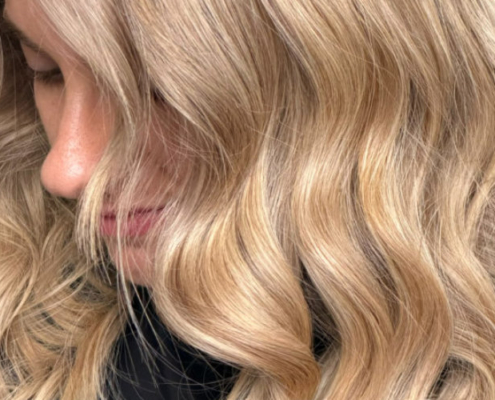 https://www.thecuttingroom.net.au/wp-content/uploads/2026/10/What-is-lived-in-blonde.jpg
500
1000
IvanaKKatzAdmin2024
https://www.thecuttingroom.net.au/wp-content/uploads/2025/02/The-Cutting-Room-Black.png
IvanaKKatzAdmin20242026-10-13 08:49:252026-10-13 08:49:25What Is Lived-In Blonde? The Colour That Grows Out Beautifully
https://www.thecuttingroom.net.au/wp-content/uploads/2026/10/What-is-lived-in-blonde.jpg
500
1000
IvanaKKatzAdmin2024
https://www.thecuttingroom.net.au/wp-content/uploads/2025/02/The-Cutting-Room-Black.png
IvanaKKatzAdmin20242026-10-13 08:49:252026-10-13 08:49:25What Is Lived-In Blonde? The Colour That Grows Out Beautifully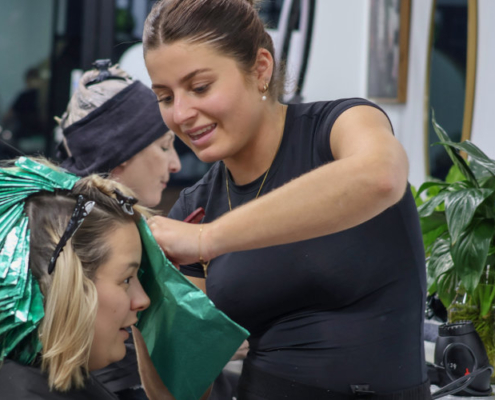 https://www.thecuttingroom.net.au/wp-content/uploads/2026/10/Full-head-foils-vs-half-head.jpg
500
1000
IvanaKKatzAdmin2024
https://www.thecuttingroom.net.au/wp-content/uploads/2025/02/The-Cutting-Room-Black.png
IvanaKKatzAdmin20242026-10-13 08:48:242026-10-13 08:48:24Full Head Foils vs Half Head Foils: What’s the Difference and Which Do You Need?
https://www.thecuttingroom.net.au/wp-content/uploads/2026/10/Full-head-foils-vs-half-head.jpg
500
1000
IvanaKKatzAdmin2024
https://www.thecuttingroom.net.au/wp-content/uploads/2025/02/The-Cutting-Room-Black.png
IvanaKKatzAdmin20242026-10-13 08:48:242026-10-13 08:48:24Full Head Foils vs Half Head Foils: What’s the Difference and Which Do You Need? https://www.thecuttingroom.net.au/wp-content/uploads/2026/10/The-Complete-Guide-to-Blonde-Hair-Colouring.jpg
500
1000
IvanaKKatzAdmin2024
https://www.thecuttingroom.net.au/wp-content/uploads/2025/02/The-Cutting-Room-Black.png
IvanaKKatzAdmin20242026-10-13 08:47:282026-10-13 08:47:28The Complete Guide to Blonde Hair Colouring: Techniques, Tones and Transformations
https://www.thecuttingroom.net.au/wp-content/uploads/2026/10/The-Complete-Guide-to-Blonde-Hair-Colouring.jpg
500
1000
IvanaKKatzAdmin2024
https://www.thecuttingroom.net.au/wp-content/uploads/2025/02/The-Cutting-Room-Black.png
IvanaKKatzAdmin20242026-10-13 08:47:282026-10-13 08:47:28The Complete Guide to Blonde Hair Colouring: Techniques, Tones and Transformations
