Why Does Blonde Hair Turn Brassy? Yellow and Orange Tones Explained
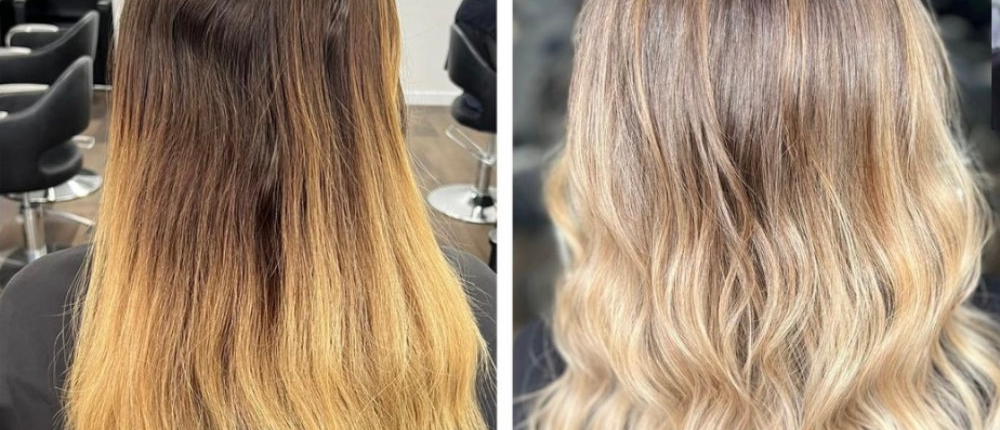
You leave the salon with beautiful blonde hair. The colour is bright, the tone is exactly what you wanted and everything looks fresh. But a few weeks later, you notice something has changed. Your cool blonde is starting to look yellow, your beige highlights have developed an orange tinge or the lovely creamy colour you started with is looking noticeably warmer.
It’s one of the most common frustrations with blonde hair, and it’s usually referred to as brassiness. But not all brassiness is the same, and understanding whether you’re dealing with yellow or orange tones makes a big difference to how the problem should be approached.
At The Cutting Room in Riverstone, we help clients achieve and maintain beautiful blonde shades, from cool ash and creamy beige to warm honey and golden blonde. The key is understanding which warmth is intentional, why unwanted tones can appear and when your blonde needs professional attention rather than another product from the supermarket.
In this guide, we’ll explain what causes brassy blonde hair, why purple shampoo doesn’t always solve the problem and what you can do to keep your colour looking its best between appointments.
What Does Brassy Blonde Hair Actually Mean?
Brassiness describes unwanted warm tones that become visible in colour-treated hair, usually yellow, orange or sometimes reddish tones. It’s particularly noticeable when someone has chosen a cool, neutral or creamy blonde and their hair starts looking warmer than intended.
However, warmth itself isn’t necessarily a problem. Honey blonde, golden blonde and caramel highlights are deliberately warm shades. They’re designed to have rich, golden undertones, and those tones can look beautiful when they’re balanced and intentional.
The difference is whether the warmth belongs in the finished colour. A golden blonde that maintains its lovely honey tones isn’t brassy simply because it isn’t ash blonde. On the other hand, a cool beige blonde that develops a strong yellow or orange cast may no longer look like the colour you originally wanted.
If you’re still deciding which blonde is right for you, our complete guide to blonde hair colouring explains the differences between warm, cool and neutral blonde shades.
Why Does Blonde Hair Turn Yellow or Orange?
Hair contains natural pigments that contribute to its underlying colour. When dark or medium-coloured hair is lightened, some of those pigments are reduced, revealing warmer tones underneath. Depending on the starting colour and how far the hair is lightened, the remaining warmth may appear orange, yellow-orange or yellow.
Professional colourists use toners and other colour formulations to refine these underlying tones and create the desired blonde result. For example, a suitable toner can help soften unwanted yellow tones in hair that has already reached the appropriate level of lightness.
However, toning pigments don’t necessarily remain unchanged forever. Washing, styling and environmental exposure can contribute to colour fading, allowing some of the underlying warmth to become more noticeable again.
Sometimes orange tones appear because the hair wasn’t lightened sufficiently for the cooler or paler blonde being requested. This is particularly relevant when starting with darker hair or when previous permanent colour makes the lightening process more complicated. In those situations, a toner alone may not deliver the desired result.
Yellow vs Orange Brassy Hair: What’s the Difference?
Before reaching for a toning shampoo, it’s worth identifying which unwanted tones you’re seeing. Yellow and orange brassiness are different, and they generally require different colour-correcting pigments.
| What You’re Seeing | Why It May Be Happening | What May Help |
|---|---|---|
| Yellow Blonde Hair Bright yellow or golden tones appearing in a previously cooler blonde |
Cool toning pigments may have faded, revealing the hair’s underlying yellow warmth. | A suitable purple-toning product or professional toner may help neutralise unwanted yellow tones. |
| Orange Blonde Hair Coppery or orange tones in darker blonde or light brown sections |
The hair may contain more underlying orange pigment, particularly if it hasn’t been lightened enough for the intended shade. | Blue-based colour correction may help in some cases, but professional assessment is important if additional lightening is needed. |
| Yellow and Orange Together Different warm tones appearing across the roots, lengths or ends |
Different sections may have reached different lightness levels or contain varying amounts of previous colour. | A personalised toner or colour correction plan may be needed to address the uneven result. |
| Warm Blonde That’s Gone Dull Golden or beige blonde looking faded rather than distinctly yellow or orange |
The original tone may have faded, or product and mineral build-up may be affecting the appearance of the hair. | A professional colour refresh or appropriate cleansing and care products may be more useful than strong purple shampoo. |
Why Purple Shampoo Doesn’t Fix Orange Hair
This is where understanding basic colour theory becomes useful. Purple sits opposite yellow on the colour wheel, which is why purple pigments are commonly used to help neutralise unwanted yellow tones. Blue sits opposite orange, so blue-based toning products are generally more appropriate when orange warmth is the main concern.
That doesn’t mean everyone with orange hair should immediately buy blue shampoo. If the orange colour is caused by insufficient lightening, a shampoo may soften its appearance without achieving the blonde shade you actually want. If the hair has multiple tones or previous colour build-up, the correction may be more complicated.
It’s also possible to overuse toning products, leaving porous or very light sections looking dull, greyish or unevenly toned. The best choice depends on your hair’s current colour, condition and the result you’re trying to maintain.
If your blonde has developed patchy or uneven tones, our article on why hair colour goes wrong explains other reasons colour results can become inconsistent.
Purple Shampoo vs Blue Shampoo: Which Is Better for Brassy Blonde Hair?
If your blonde has started looking warmer than you’d like, you’ve probably come across purple shampoo. You may also have noticed blue shampoo and wondered whether the two products do the same thing. While both are designed to help manage unwanted warm tones, they contain different pigments and are intended for different colour concerns.
Choosing the wrong toning shampoo may leave you disappointed, particularly if you’re expecting it to make your hair lighter. Neither purple nor blue shampoo removes the underlying pigment responsible for your natural hair colour. Instead, they deposit small amounts of coloured pigment that can temporarily influence how warm or cool the hair appears.
The most important question isn’t whether purple or blue shampoo is better overall. It’s which unwanted tones you’re trying to correct.
Purple Shampoo vs Blue Shampoo: A Quick Comparison
| Feature | Purple Shampoo | Blue Shampoo |
|---|---|---|
| Designed to counteract | Unwanted yellow tones | Unwanted orange tones |
| Commonly used for | Light blonde, platinum, silver and some beige blonde shades | Darker blonde, highlighted brunette and some caramel-toned hair |
| What it does | Deposits violet pigment to help reduce the appearance of yellow warmth | Deposits blue pigment to help reduce the appearance of orange warmth |
| What it cannot do | Lighten hair or turn orange hair into pale blonde | Lighten hair or remove substantial underlying orange pigment |
| Potential problem if overused | Can leave some sections looking dull, violet or overly cool | Can leave some sections looking dull, blue-toned or muddy |
These are general guidelines rather than rules for every hair colour. Some shampoos contain combinations of pigments, and the results depend on the strength of the product, the hair’s porosity and how long it’s left on. Always follow the product directions and ask your colourist which option is appropriate for your particular blonde.
Should You Use Purple Shampoo Every Time You Wash Your Hair?
Usually, there’s no need to use purple shampoo every time you wash your hair unless your colourist has specifically recommended it for your hair and the product you’re using. Toning shampoos are designed to help manage unwanted warmth, not necessarily replace your regular shampoo and conditioner.
Using a strongly pigmented shampoo too frequently can create an uneven result, particularly when some sections of your hair are lighter or more porous than others. Very light ends may absorb more pigment than darker sections, leaving the colour looking dull or slightly violet while the warmer areas remain relatively unchanged.
A more sensible approach is to use a suitable regular shampoo for your hair type and introduce a toning product only when needed, following your stylist’s recommendations. If your colour is deliberately warm, such as honey or golden blonde, you may not need purple shampoo at all.
It’s also important not to overlook conditioning. Chemically lightened hair can be more susceptible to dryness and breakage, so maintaining its condition should be just as much of a priority as managing its tone. Our guide to keeping blonde hair bright and healthy explains how to care for lightened hair between appointments.
When Is a Professional Toner Better Than Toning Shampoo?
Toning shampoo can be useful for maintaining an existing colour, but it has limitations. If your blonde has become significantly warmer, developed uneven tones or no longer resembles the shade you originally wanted, a professional toner may be more appropriate.
Salon toners allow a colourist to select a formulation suited to the hair’s level of lightness and the warmth that needs refining. They can be used to create or refresh cool, neutral, beige and warm blonde shades, depending on the desired result.
However, even professional toner has limits. If your hair is too dark or contains substantial orange pigment, applying a cooler toner won’t necessarily produce a pale blonde. Additional lightening may be required, provided the condition of the hair allows it.
It’s also possible for different sections of hair to require different approaches. For example, pale yellow ends and darker orange roots may not respond evenly to one toner. A professional assessment helps determine whether the issue is simply fading or whether a more involved colour adjustment is needed.
Brassy Blonde Troubleshooting: What Should You Do?
Not sure whether your blonde needs a shampoo change, toner refresh or professional colour appointment? Use this guide as a starting point.
| What’s Happening? | What It Could Mean | What to Do Next |
|---|---|---|
| Your pale blonde is becoming yellow. | Cool toning pigments may be fading. | Ask your stylist whether a purple-toning product or salon toner would be appropriate. |
| Your darker blonde highlights are turning orange. | More underlying orange warmth may be showing through. | Have your colourist assess whether blue-based toning or another colour service is needed. |
| Your blonde looks purple or grey. | Toning products may have deposited more pigment than intended. | Stop adding more toning pigment and ask your stylist how best to restore the desired colour. |
| Your roots and ends are different colours. | The sections may have different lightness levels or colour histories. | Book a professional assessment rather than trying to correct everything with one shampoo. |
| Your blonde looks dull but isn’t particularly yellow. | Product or mineral build-up, fading or the condition of the hair may be affecting its appearance. | Ask your stylist whether appropriate cleansing, conditioning or a colour refresh would help. |
Can Hard Water Make Blonde Hair Look Brassy?
Water quality can sometimes affect the appearance of blonde hair. Hard water contains dissolved minerals, and certain mineral or metal deposits can contribute to discolouration, dullness or changes in how the hair feels. Copper exposure, for example, can produce unwanted greenish tones in some light-coloured hair.
However, not every change in blonde tone is caused by hard water. Fading toner, underlying warmth, environmental exposure and product build-up can produce similar-looking concerns, and the appropriate solution depends on the cause.
If you notice that your blonde becomes dull or discoloured unusually quickly, mention it to your stylist. They can assess whether build-up or another issue may be contributing and recommend suitable professional or home-care products. Repeatedly using strong clarifying products on already dry, lightened hair isn’t necessarily the best answer.
What If Your Blonde Keeps Turning Brassy?
If unwanted warmth returns soon after every colouring appointment, it’s worth reviewing more than your shampoo routine. Your starting colour, how light the hair was lifted, the toner used and the amount of warmth naturally present in your hair can all influence how long the finished shade retains its appearance.
Sometimes a slightly different blonde tone can be a more practical option. For example, a soft champagne or beige blonde may be easier to maintain than an extremely cool finish on hair that naturally reveals strong warmth. In other cases, adjusting the lightening technique or maintenance schedule may provide a better result.
If your colour is noticeably uneven or a previous home-colouring attempt has created unwanted bands of colour, you may need a more involved assessment. Our Colour Correction service is designed for situations where standard toning or routine highlighting may not be enough.
The aim isn’t to eliminate every trace of warmth from blonde hair. It’s to create a balanced colour you love and understand how to keep it looking its best between appointments.
How to Prevent Blonde Hair From Turning Brassy
While some colour fading is normal, there are ways to help your blonde maintain its tone between salon appointments. The key is understanding what your particular shade needs rather than assuming every blonde requires the same products or maintenance routine.
A cool platinum blonde, for example, may need a different approach from a warm honey blonde or a softly blended beige colour. Your stylist can recommend products and a maintenance schedule that suit your shade, hair condition and the techniques used to create it.
Keeping Your Blonde Beautiful: What to Do and What to Avoid
| Do This | Avoid This |
|---|---|
| Choose products suited to your blonde. Ask your colourist which shampoo, conditioner and toning products are appropriate. | Assuming every blonde needs purple shampoo or that stronger toning products always produce better results. |
| Use toning shampoo only when needed. Follow the recommended frequency and product instructions. | Leaving purple or blue shampoo on for excessive periods in an attempt to make your hair lighter. |
| Condition regularly. Help manage the dryness and tangling that can occur with chemically lightened hair. | Focusing entirely on colour correction while neglecting the condition of your hair. |
| Protect your hair from excessive heat. Use appropriate heat protection and moderate styling temperatures. | Repeatedly using very hot styling tools on fragile or heavily lightened hair. |
| Arrange a professional toner refresh when appropriate. Some blonde shades benefit from occasional salon toning. | Repeatedly applying home dyes or bleach to correct unwanted warmth. |
| Tell your stylist when your blonde changes. Explain how quickly unwanted tones appear and which areas are affected. | Assuming every yellow or orange tone has the same cause or requires the same treatment. |
Healthy Hair Helps Your Blonde Look Its Best
The condition of your hair can influence how your blonde looks, feels and responds to colour products. Hair that’s been repeatedly lightened may become more porous, dry or fragile, and different sections can respond unevenly to toning products.
Gentle washing, regular conditioning and careful styling can help reduce avoidable damage. The American Academy of Dermatology’s healthy hair care advice recommends conditioning after washing, handling wet hair gently and limiting excessive heat styling.
If you’d like more advice on keeping your colour looking fresh, read our guide to making your hair colour last longer between salon visits.
Beautiful Blonde Without the Unwanted Brassiness
Brassiness doesn’t necessarily mean something has gone wrong with your colour. Sometimes it’s simply the result of toning pigments fading and the hair’s natural underlying warmth becoming more visible. Other times, it may indicate that the hair needs professional toning, further colour adjustment or a different approach to maintenance.
The most important thing is identifying whether you’re dealing with yellow tones, orange tones or an uneven combination of both. Once you understand the cause, it’s much easier to choose an appropriate solution rather than experimenting with products that may not address the problem.
At The Cutting Room in Riverstone, our experienced colourists can help you achieve the blonde you’re looking for and recommend ways to maintain its tone between appointments. Whether you’re refreshing an existing colour or planning something completely different, explore our Blonde Transformations service to discuss your options.
Frequently asked questions
Why does my blonde hair turn yellow a few weeks after colouring?
Blonde hair can become more yellow as the cool or neutral pigments from professional toning gradually fade, allowing the underlying yellow warmth to become more noticeable. Washing, styling and environmental exposure can contribute to colour fading. A suitable purple shampoo may help manage mild yellow tones, while a professional toner may be needed if the original shade has changed significantly.
Why is my blonde hair turning orange instead of yellow?
Orange tones often appear when darker hair hasn’t been lightened sufficiently for the desired blonde shade, or when existing toning pigments fade and reveal the underlying warmth. This is particularly common when lightening naturally dark or previously coloured hair. Blue-based toning products may help reduce some orange warmth, but additional professional colour work may be needed if the hair isn’t light enough.
Should I use purple or blue shampoo for brassy blonde hair?
Purple shampoo is generally used to counteract unwanted yellow tones, while blue shampoo is designed to help neutralise orange tones. The right product depends on the warmth you’re seeing and the lightness of your hair. Neither product makes hair lighter, and overuse can cause unwanted pigment build-up or dullness. Your colourist can recommend the most suitable option.
Can purple shampoo make blonde hair darker?
Purple shampoo doesn’t permanently darken blonde hair, but repeated use or excessive pigment deposition can make very light or porous sections appear duller, greyer or temporarily violet-toned. This can create the impression that your blonde has become darker. Using an appropriate product at the recommended frequency helps reduce the risk of unwanted tonal changes.
Can hard water make blonde hair look brassy?
Hard water and mineral deposits can sometimes affect the appearance of blonde hair, contributing to dullness or discolouration. However, not all brassiness is caused by water quality. Fading toner, underlying warm pigments and product build-up can produce similar concerns. A professional colourist can help identify whether build-up or another issue is affecting your blonde.
How do I fix brassy blonde hair without bleaching it again?
If the hair is already light enough for your desired shade, a professional toner or suitable toning shampoo may help neutralise unwanted warmth without additional bleaching. However, if the hair remains too dark or orange for a very pale blonde, toning alone may not achieve the result. Your stylist should assess the colour and condition before recommending further lightening.
How often should blonde hair be toned?
There’s no fixed schedule for every blonde. Very cool or pale blonde shades may need toning more frequently than warmer honey or golden blondes, but the timing depends on the original colour, how quickly the toner fades and your preferences. Some clients refresh their tone between highlighting appointments, while others don’t need a separate toner service.
You may also be interested in …
 https://www.thecuttingroom.net.au/wp-content/uploads/2026/10/How-much-does-it-cost-to-go-blonde.jpg
500
1000
IvanaKKatzAdmin2024
https://www.thecuttingroom.net.au/wp-content/uploads/2025/02/The-Cutting-Room-Black.png
IvanaKKatzAdmin20242026-10-13 08:52:452026-10-13 08:52:45How Much Does It Cost to Go Blonde … and Maintain It?
https://www.thecuttingroom.net.au/wp-content/uploads/2026/10/How-much-does-it-cost-to-go-blonde.jpg
500
1000
IvanaKKatzAdmin2024
https://www.thecuttingroom.net.au/wp-content/uploads/2025/02/The-Cutting-Room-Black.png
IvanaKKatzAdmin20242026-10-13 08:52:452026-10-13 08:52:45How Much Does It Cost to Go Blonde … and Maintain It? https://www.thecuttingroom.net.au/wp-content/uploads/2026/10/Why-does-blonde-hair-turn-brassy.jpg
500
1000
IvanaKKatzAdmin2024
https://www.thecuttingroom.net.au/wp-content/uploads/2025/02/The-Cutting-Room-Black.png
IvanaKKatzAdmin20242026-10-13 08:51:402026-10-13 08:51:40Why Does Blonde Hair Turn Brassy? Yellow and Orange Tones Explained
https://www.thecuttingroom.net.au/wp-content/uploads/2026/10/Why-does-blonde-hair-turn-brassy.jpg
500
1000
IvanaKKatzAdmin2024
https://www.thecuttingroom.net.au/wp-content/uploads/2025/02/The-Cutting-Room-Black.png
IvanaKKatzAdmin20242026-10-13 08:51:402026-10-13 08:51:40Why Does Blonde Hair Turn Brassy? Yellow and Orange Tones Explained https://www.thecuttingroom.net.au/wp-content/uploads/2026/10/Going-from-dark-to-blonde.jpg
500
1000
IvanaKKatzAdmin2024
https://www.thecuttingroom.net.au/wp-content/uploads/2025/02/The-Cutting-Room-Black.png
IvanaKKatzAdmin20242026-10-13 08:50:262026-10-13 08:50:26Going From Dark Brown to Blonde: How Many Sessions Will You Need?
https://www.thecuttingroom.net.au/wp-content/uploads/2026/10/Going-from-dark-to-blonde.jpg
500
1000
IvanaKKatzAdmin2024
https://www.thecuttingroom.net.au/wp-content/uploads/2025/02/The-Cutting-Room-Black.png
IvanaKKatzAdmin20242026-10-13 08:50:262026-10-13 08:50:26Going From Dark Brown to Blonde: How Many Sessions Will You Need? https://www.thecuttingroom.net.au/wp-content/uploads/2026/10/What-is-lived-in-blonde.jpg
500
1000
IvanaKKatzAdmin2024
https://www.thecuttingroom.net.au/wp-content/uploads/2025/02/The-Cutting-Room-Black.png
IvanaKKatzAdmin20242026-10-13 08:49:252026-10-13 08:49:25What Is Lived-In Blonde? The Colour That Grows Out Beautifully
https://www.thecuttingroom.net.au/wp-content/uploads/2026/10/What-is-lived-in-blonde.jpg
500
1000
IvanaKKatzAdmin2024
https://www.thecuttingroom.net.au/wp-content/uploads/2025/02/The-Cutting-Room-Black.png
IvanaKKatzAdmin20242026-10-13 08:49:252026-10-13 08:49:25What Is Lived-In Blonde? The Colour That Grows Out Beautifully https://www.thecuttingroom.net.au/wp-content/uploads/2026/10/Full-head-foils-vs-half-head.jpg
500
1000
IvanaKKatzAdmin2024
https://www.thecuttingroom.net.au/wp-content/uploads/2025/02/The-Cutting-Room-Black.png
IvanaKKatzAdmin20242026-10-13 08:48:242026-10-13 08:48:24Full Head Foils vs Half Head Foils: What’s the Difference and Which Do You Need?
https://www.thecuttingroom.net.au/wp-content/uploads/2026/10/Full-head-foils-vs-half-head.jpg
500
1000
IvanaKKatzAdmin2024
https://www.thecuttingroom.net.au/wp-content/uploads/2025/02/The-Cutting-Room-Black.png
IvanaKKatzAdmin20242026-10-13 08:48:242026-10-13 08:48:24Full Head Foils vs Half Head Foils: What’s the Difference and Which Do You Need? https://www.thecuttingroom.net.au/wp-content/uploads/2026/10/The-Complete-Guide-to-Blonde-Hair-Colouring.jpg
500
1000
IvanaKKatzAdmin2024
https://www.thecuttingroom.net.au/wp-content/uploads/2025/02/The-Cutting-Room-Black.png
IvanaKKatzAdmin20242026-10-13 08:47:282026-10-13 08:47:28The Complete Guide to Blonde Hair Colouring: Techniques, Tones and Transformations
https://www.thecuttingroom.net.au/wp-content/uploads/2026/10/The-Complete-Guide-to-Blonde-Hair-Colouring.jpg
500
1000
IvanaKKatzAdmin2024
https://www.thecuttingroom.net.au/wp-content/uploads/2025/02/The-Cutting-Room-Black.png
IvanaKKatzAdmin20242026-10-13 08:47:282026-10-13 08:47:28The Complete Guide to Blonde Hair Colouring: Techniques, Tones and Transformations
