
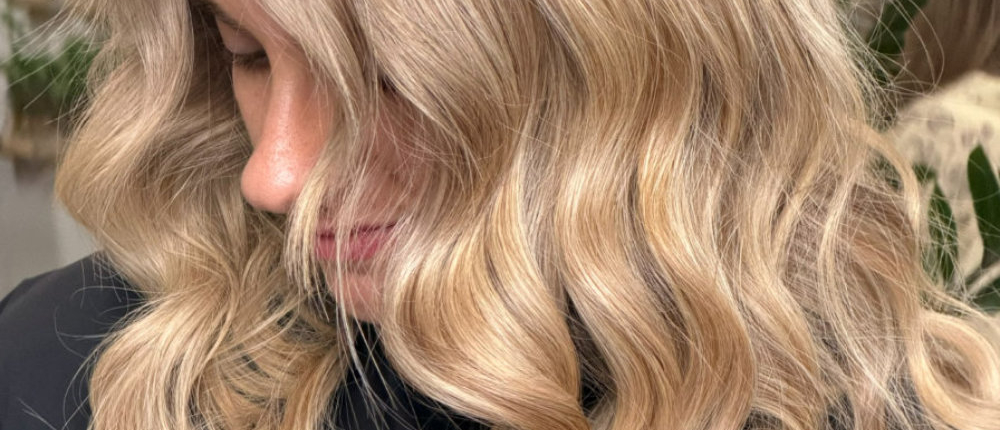
What Is Lived-In Blonde? The Colour That Grows Out Beautifully
Love being blonde but not the constant upkeep? If you’re tired of noticing regrowth just weeks after your colour appointment, lived-in blonde might be exactly what you’re looking for. It’s a softer, more natural approach to blonde colouring that creates beautiful brightness while allowing your natural hair colour to grow through without such an obvious line.
Unlike traditional blonde looks that aim for consistent brightness from roots to ends, lived-in blonde deliberately incorporates depth and dimension. Your stylist works with your natural colour rather than trying to cover it completely, creating a softer transition between darker roots and lighter lengths. The result is blonde hair that looks polished when you leave the salon but still looks intentional as it grows.
At The Cutting Room in Riverstone, lived-in blonde is one of the options worth considering if you want a personalised blonde that fits your lifestyle. Whether you prefer creamy beige tones, warm honey highlights or a brighter dimensional blonde, the placement and blending of the colour can be adapted to achieve different results.
What Exactly Is Lived-In Blonde?
Lived-in blonde isn’t one particular shade or a single colouring technique. It’s a style of blonde colouring designed to look naturally blended, with softer regrowth and a more gradual transition between your natural hair colour and the lighter sections.
Instead of lightening every section close to the scalp, a colourist may retain some natural depth at the roots, introduce carefully placed highlights and blend the lighter colour through the mid-lengths and ends. Depending on the starting hair and desired result, techniques such as balayage, foils, babylights and root blending may all play a part.
What makes lived-in blonde distinctive is the overall finish. The colour has dimension rather than looking completely uniform, and the placement is planned to avoid a harsh line as your hair grows. You can still have plenty of blonde brightness, particularly around your face and through the ends, without needing every strand lightened from the roots.
Does Lived-In Blonde Have to Be Dark at the Roots?
Not necessarily. Although lived-in blonde is often associated with darker roots, the amount of depth can vary considerably. Some clients prefer a noticeable contrast between their natural roots and lighter lengths, while others want a much softer blend that simply makes the regrowth less obvious.
Someone with naturally light brown hair might achieve a subtle lived-in blonde with fine highlights and a gently blended root. Someone with darker hair might retain more depth and introduce brighter blonde pieces through selected sections. Even an existing bright blonde can sometimes be adapted into a more lived-in style by adjusting the root area and the placement of future highlights.
The key is that the finished colour should look deliberate rather than like highlights that have simply been left to grow out. Good placement, balanced tones and a smooth transition between shades are what make lived-in blonde look polished.
Why Is Lived-In Blonde So Popular?
For many clients, the appeal is simple: they want beautiful blonde hair without feeling that their next salon appointment is already overdue a few weeks after the last one. Lived-in blonde offers a softer regrowth appearance, making it appealing to people who prefer a more flexible colouring schedule.
It also suits the move towards more personalised, dimensional hair colour. Rather than aiming for the lightest possible blonde throughout, lived-in colouring uses contrast to create movement and depth. That can make the lighter sections stand out beautifully, particularly when the hair is curled or styled in loose waves.
Another advantage is versatility. Lived-in blonde can be warm, neutral or cool, and it can range from subtle highlights to a much brighter finish. It’s not restricted to one age group, hair length or personal style.
Is Lived-In Blonde Really Low Maintenance?
It can be lower maintenance than blonde highlights placed very close to the roots, but that doesn’t mean it’s maintenance-free. The biggest advantage is usually that natural regrowth appears softer, allowing more flexibility between major lightening appointments.
However, the blonde lengths may still need occasional toning if the colour becomes warmer than you’d like. Your hair may also benefit from conditioning treatments, regular trims and appropriate home care, particularly if it’s been significantly lightened.
Your starting colour makes a difference too. Someone whose natural roots blend closely with the deeper tones in their blonde may find the grow-out particularly forgiving. Someone with a stronger contrast between natural hair and the lightened sections may still notice regrowth, even with a blended approach.
If keeping salon visits manageable is a priority, our guide to low-maintenance hair colours that still look expensive explores other options worth considering. You can also learn more about blonde shades and techniques in our complete guide to blonde hair colouring.
Is Lived-In Blonde Right for You?
Lived-in blonde may be a good option if you love lighter hair but prefer a softer, more natural finish. It can be particularly appealing if you want to stretch the time between major highlighting appointments, enjoy having some depth at your roots or prefer a blonde that doesn’t require a perfectly maintained, all-over colour.
However, if your goal is an extremely bright, uniform blonde right from the scalp, a traditional foil highlighting approach may be more suitable. Lived-in blonde intentionally retains some depth, and that may not match the look you have in mind.
During a consultation, your stylist can assess your existing colour and explain how much brightness can be achieved while maintaining a softer regrowth pattern.
Quick Checklist: Would You Love Lived-In Blonde?
- You want to stay blonde without frequent full highlighting appointments.
- You prefer softer roots rather than a sharply defined regrowth line.
- You like a combination of lighter and darker blonde tones.
- You want brightness around your face while keeping natural depth elsewhere.
- You’re happy with a more blended result rather than an all-over platinum blonde.
- You want a colour plan that can be adapted as your natural hair grows.
If several of these sound like you, lived-in blonde could be worth discussing during your next colour appointment. Explore our Balayage service or our personalised Blonde Transformations to see how The Cutting Room can help you achieve the look.
Lived-In Blonde vs Traditional Highlights: What’s the Difference?
One of the most common questions about lived-in blonde is how it differs from traditional highlights. Both can create beautiful blonde hair, and both may involve foils, but the main difference is usually how the colour is placed and how it looks as your natural hair grows.
Traditional foil highlights are often placed close to the scalp to create brightness from the roots through to the ends. Depending on the placement and how much natural colour is left between the foils, this can produce anything from delicate highlights to a very bright blonde. As the hair grows, the difference between the highlighted sections and natural regrowth may become more noticeable.
With lived-in blonde, the colourist deliberately creates a softer transition near the roots. This might involve leaving some natural hair untouched, placing lighter pieces at different starting points or using root blending to soften the contrast. The result is designed to remain attractive as new growth appears, rather than relying on a freshly highlighted root area to maintain the look.
Lived-In Blonde vs Highlights at a Glance
| Feature | Lived-In Blonde | Traditional Highlights |
|---|---|---|
| Overall appearance | Soft, dimensional blonde with natural-looking depth | Can range from subtle highlights to bright, more evenly distributed blonde |
| Root area | Usually retains or introduces depth for a softer transition | Highlights may be placed close to the scalp for greater root brightness |
| Regrowth | Generally softer and less defined | May become more noticeable as natural hair grows |
| Techniques used | May combine balayage, foils, babylights and root blending | Usually involves foils, with placement adapted to the desired result |
| Maintenance | Often more flexibility between major lightening appointments | May require more frequent highlighting to maintain brightness near the roots |
| Best suited to | Clients wanting dimensional blonde and softer regrowth | Clients wanting controlled highlights or brightness closer to the roots |
Neither approach is automatically better. If you love a very bright blonde starting close to your scalp, traditional highlights may be the more appropriate choice. If you prefer some natural depth and a softer grow-out, lived-in blonde could be a better fit.
You can explore the differences further in our guide to balayage vs highlights, or learn about our Foils and Lightening services.
How Does Lived-In Blonde Grow Out?
The way lived-in blonde grows out is one of its biggest attractions. Because the colour has been blended with your natural roots, the transition between new growth and the lighter sections is generally less obvious than with a brighter, root-to-end blonde.
However, the result depends on how the colour was originally created. A soft beige blonde with a root shade close to your natural colour may continue looking blended for months, while a much brighter blonde with greater contrast may need refreshing sooner.
It’s also worth remembering that hair doesn’t stop changing after your salon appointment. As your natural hair grows, the highlighted sections move further down the lengths. Toning pigments may gradually fade, and the condition of the blonde ends can change with regular washing, styling and environmental exposure.
This means a lived-in blonde may continue looking beautifully blended while still benefiting from smaller maintenance appointments between major colour services.
What Happens as Your Lived-In Blonde Grows?
The following timeline is an illustrative guide rather than a fixed appointment schedule. Your natural growth rate, starting colour, blonde tone and preferred appearance will all influence when you want to return to the salon.
| Time Since Colouring | What You May Notice | What You Might Need |
|---|---|---|
| First 4–6 weeks | Your blonde generally retains its original placement, although cooler tones may begin to soften or fade. | Appropriate home care; a toner refresh only if needed. |
| Around 8–12 weeks | More natural regrowth becomes visible, but the blended placement may still look soft and intentional. | Some clients choose a toner, face-framing highlights or a small refresh. |
| Around 3–4 months | Lighter sections sit further away from the roots, and you may want additional brightness near your face or crown. | A partial highlighting or balayage refresh may be appropriate. |
| 4–6 months or longer | Your blonde may remain attractively blended, although the balance between natural depth and lighter lengths will have changed. | Depending on your preferences, a more extensive colour refresh may help restore the original look. |
These timeframes aren’t promises about how long your colour will last. Some clients prefer more regular toning or highlighting, while others are happy to let their blonde grow out for considerably longer. The best schedule is one that works with your hair and how you like your colour to look.
Can You Make Lived-In Blonde Even Lower Maintenance?
Yes, although there’s a balance between achieving the blonde you want and reducing the amount of upkeep involved. If fewer salon visits are a priority, your colourist can consider techniques that retain more of your natural colour or create a softer transition at the roots.
For example, choosing a beige or honey blonde closer to your natural depth may make regrowth less obvious than opting for an extremely pale blonde. Carefully placed face-framing highlights can also provide visible brightness without requiring extensive lightening throughout the hair.
It’s worth being realistic about toner maintenance, too. A cool, creamy blonde may still develop unwanted warmth between appointments, even when the regrowth remains beautifully blended. A warmer blonde may allow more flexibility with tonal changes, depending on the original result.
Our guide to blonde hair maintenance explains how different colouring approaches influence the time between appointments.
What About the Condition of Your Hair?
Although lived-in blonde may involve leaving some sections of hair unlightened, the blonde pieces themselves still undergo chemical processing. A lower-maintenance colour doesn’t automatically mean the lightening process is gentler or suitable for every hair type.
Repeated lightening, particularly where previously processed sections overlap, can contribute to dryness and breakage. The American Academy of Dermatology’s hair care recommendations include conditioning, gentle handling and limiting excessive heat to help reduce avoidable hair damage.
A professional colourist should assess the condition of your hair before recommending further lightening and help you choose a maintenance approach that avoids unnecessary processing.
Which Blonde Shades Work Best With Lived-In Colour?
One of the lovely things about lived-in blonde is that it isn’t limited to one particular shade. You can create a soft, natural-looking blonde with warm honey tones, a sophisticated beige finish or a brighter creamy blonde with beautifully blended roots. The difference lies in how the colour is placed, how much natural depth is retained and how the lighter sections work together.
Honey and caramel blondes can look particularly beautiful with deeper roots, creating a warm, dimensional finish. Beige and champagne blondes offer a softer, more neutral appearance, while creamy blonde highlights can introduce extra brightness without necessarily lightening every strand from the scalp.
Very cool or pale blonde shades can also be incorporated into lived-in colouring, although they may require more lightening and additional toning to maintain their appearance. If low maintenance is your main priority, it’s worth discussing how your preferred shade will change between appointments rather than choosing a colour based on photographs alone.
For a closer look at the different shades and techniques, explore our complete guide to blonde hair colouring.
What Should You Ask for When Booking Lived-In Blonde?
You don’t need to know whether your stylist should use balayage, foils or root smudging before making an appointment. It’s often more helpful to explain the result you want and how you’d like your colour to grow out.
Bring a few inspiration photographs showing the level of brightness and root depth you prefer. Look for examples that show the hair from different angles, including the roots and underneath sections, rather than photographs that only show beautifully curled blonde ends.
Questions Worth Asking at Your Consultation
- How much of my natural root colour can we retain while achieving the blonde I want?
- Would balayage, foils or a combination of techniques work best for my hair?
- How will this colour look as my natural roots grow through?
- Will I need toner appointments between major highlighting services?
- How frequently would you recommend refreshing the lighter sections?
- Can we achieve the result in one appointment, or would a gradual approach be better?
If you already have heavily highlighted hair, your stylist may also discuss how to transition towards a more lived-in look. This could involve adjusting the placement of future highlights, introducing softer depth near the roots or allowing some of your natural colour to grow through.
Beautiful Blonde Without Constant Upkeep
Lived-in blonde is about finding the right balance between beautiful colour and a maintenance routine that works for you. Whether you want subtle, sun-kissed highlights or a brighter blonde with softly blended roots, the goal is to create a personalised result that looks beautiful now and continues to look intentional as your hair grows.
At The Cutting Room in Riverstone, our experienced colourists can help you explore lived-in blonde options suited to your natural colour, hair condition and lifestyle. Discover our Blonde Transformations or learn more about our Balayage services to take the next step towards your ideal blonde.
Frequently asked questions
What is lived-in blonde hair?
Lived-in blonde is a style of blonde colouring designed to blend naturally with your roots and create softer regrowth. It usually combines lighter highlights with natural depth, rather than making every strand uniformly blonde from the scalp. Techniques such as balayage, foils and root blending may be used to achieve the result. The goal is beautiful, dimensional blonde hair that remains attractive as it grows.
How long does lived-in blonde last?
Lived-in blonde can retain a softly blended appearance for several months, although the time between appointments varies. Some clients choose a small refresh around 8–12 weeks, while others go four to six months or longer between major lightening appointments. Your natural colour, highlight placement, blonde tone and preferred appearance all influence maintenance. Toner appointments may still be needed between larger services.
Is lived-in blonde the same as balayage?
No. Balayage is a technique used to paint lightener onto selected sections of hair, while lived-in blonde describes the overall colour result and how it grows out. Balayage is often used to create lived-in blonde, but foils, babylights and root blending can also be incorporated. The best technique depends on your starting colour and the amount of brightness you want.
Can you get lived-in blonde with dark brown hair?
Yes, lived-in blonde can work beautifully with naturally dark brown hair. Retaining some darker roots and introducing carefully placed blonde highlights can create attractive contrast and dimension. However, achieving very light blonde pieces may require substantial lightening or multiple appointments, particularly if your hair has previously been coloured. Your stylist can recommend shades and techniques appropriate for your starting colour.
Does lived-in blonde work on grey hair?
It can, depending on how much grey hair you have, where it’s concentrated and the finished look you prefer. Carefully placed blonde highlights may help soften the contrast between natural grey strands and darker hair, while blended roots can create a less defined transition as the hair grows. Your stylist can assess whether lived-in blonde or a more specific grey blending approach would better suit your goals.
Is lived-in blonde cheaper than traditional highlights?
Not necessarily. Lived-in blonde may allow more time between major lightening appointments, but the initial service can involve detailed colour placement, multiple techniques and toning. This means the first appointment may cost as much as or more than traditional highlights. The potential savings depend on how frequently you need maintenance and which services are required over time.
Can I change my existing highlights into lived-in blonde?
Yes, many clients with traditional highlights can transition towards a more lived-in blonde. Depending on your existing colour, your stylist may introduce softer root blending, adjust the placement of new highlights or retain more natural depth as your hair grows. The transition may be possible in one appointment or require a gradual approach, particularly if your hair is very light or heavily processed.
You may also be interested in …
 https://www.thecuttingroom.net.au/wp-content/uploads/2026/10/How-much-does-it-cost-to-go-blonde.jpg
500
1000
IvanaKKatzAdmin2024
https://www.thecuttingroom.net.au/wp-content/uploads/2025/02/The-Cutting-Room-Black.png
IvanaKKatzAdmin20242026-10-13 08:52:452026-10-13 08:52:45How Much Does It Cost to Go Blonde … and Maintain It?
https://www.thecuttingroom.net.au/wp-content/uploads/2026/10/How-much-does-it-cost-to-go-blonde.jpg
500
1000
IvanaKKatzAdmin2024
https://www.thecuttingroom.net.au/wp-content/uploads/2025/02/The-Cutting-Room-Black.png
IvanaKKatzAdmin20242026-10-13 08:52:452026-10-13 08:52:45How Much Does It Cost to Go Blonde … and Maintain It? https://www.thecuttingroom.net.au/wp-content/uploads/2026/10/Why-does-blonde-hair-turn-brassy.jpg
500
1000
IvanaKKatzAdmin2024
https://www.thecuttingroom.net.au/wp-content/uploads/2025/02/The-Cutting-Room-Black.png
IvanaKKatzAdmin20242026-10-13 08:51:402026-10-13 08:51:40Why Does Blonde Hair Turn Brassy? Yellow and Orange Tones Explained
https://www.thecuttingroom.net.au/wp-content/uploads/2026/10/Why-does-blonde-hair-turn-brassy.jpg
500
1000
IvanaKKatzAdmin2024
https://www.thecuttingroom.net.au/wp-content/uploads/2025/02/The-Cutting-Room-Black.png
IvanaKKatzAdmin20242026-10-13 08:51:402026-10-13 08:51:40Why Does Blonde Hair Turn Brassy? Yellow and Orange Tones Explained https://www.thecuttingroom.net.au/wp-content/uploads/2026/10/Going-from-dark-to-blonde.jpg
500
1000
IvanaKKatzAdmin2024
https://www.thecuttingroom.net.au/wp-content/uploads/2025/02/The-Cutting-Room-Black.png
IvanaKKatzAdmin20242026-10-13 08:50:262026-10-13 08:50:26Going From Dark Brown to Blonde: How Many Sessions Will You Need?
https://www.thecuttingroom.net.au/wp-content/uploads/2026/10/Going-from-dark-to-blonde.jpg
500
1000
IvanaKKatzAdmin2024
https://www.thecuttingroom.net.au/wp-content/uploads/2025/02/The-Cutting-Room-Black.png
IvanaKKatzAdmin20242026-10-13 08:50:262026-10-13 08:50:26Going From Dark Brown to Blonde: How Many Sessions Will You Need?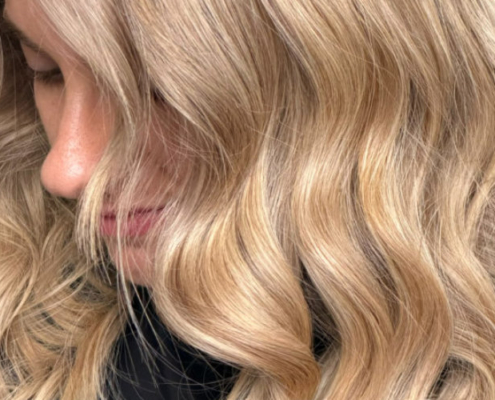 https://www.thecuttingroom.net.au/wp-content/uploads/2026/10/What-is-lived-in-blonde.jpg
500
1000
IvanaKKatzAdmin2024
https://www.thecuttingroom.net.au/wp-content/uploads/2025/02/The-Cutting-Room-Black.png
IvanaKKatzAdmin20242026-10-13 08:49:252026-10-13 08:49:25What Is Lived-In Blonde? The Colour That Grows Out Beautifully
https://www.thecuttingroom.net.au/wp-content/uploads/2026/10/What-is-lived-in-blonde.jpg
500
1000
IvanaKKatzAdmin2024
https://www.thecuttingroom.net.au/wp-content/uploads/2025/02/The-Cutting-Room-Black.png
IvanaKKatzAdmin20242026-10-13 08:49:252026-10-13 08:49:25What Is Lived-In Blonde? The Colour That Grows Out Beautifully https://www.thecuttingroom.net.au/wp-content/uploads/2026/10/Full-head-foils-vs-half-head.jpg
500
1000
IvanaKKatzAdmin2024
https://www.thecuttingroom.net.au/wp-content/uploads/2025/02/The-Cutting-Room-Black.png
IvanaKKatzAdmin20242026-10-13 08:48:242026-10-13 08:48:24Full Head Foils vs Half Head Foils: What’s the Difference and Which Do You Need?
https://www.thecuttingroom.net.au/wp-content/uploads/2026/10/Full-head-foils-vs-half-head.jpg
500
1000
IvanaKKatzAdmin2024
https://www.thecuttingroom.net.au/wp-content/uploads/2025/02/The-Cutting-Room-Black.png
IvanaKKatzAdmin20242026-10-13 08:48:242026-10-13 08:48:24Full Head Foils vs Half Head Foils: What’s the Difference and Which Do You Need? https://www.thecuttingroom.net.au/wp-content/uploads/2026/10/The-Complete-Guide-to-Blonde-Hair-Colouring.jpg
500
1000
IvanaKKatzAdmin2024
https://www.thecuttingroom.net.au/wp-content/uploads/2025/02/The-Cutting-Room-Black.png
IvanaKKatzAdmin20242026-10-13 08:47:282026-10-13 08:47:28The Complete Guide to Blonde Hair Colouring: Techniques, Tones and Transformations
https://www.thecuttingroom.net.au/wp-content/uploads/2026/10/The-Complete-Guide-to-Blonde-Hair-Colouring.jpg
500
1000
IvanaKKatzAdmin2024
https://www.thecuttingroom.net.au/wp-content/uploads/2025/02/The-Cutting-Room-Black.png
IvanaKKatzAdmin20242026-10-13 08:47:282026-10-13 08:47:28The Complete Guide to Blonde Hair Colouring: Techniques, Tones and Transformations
