
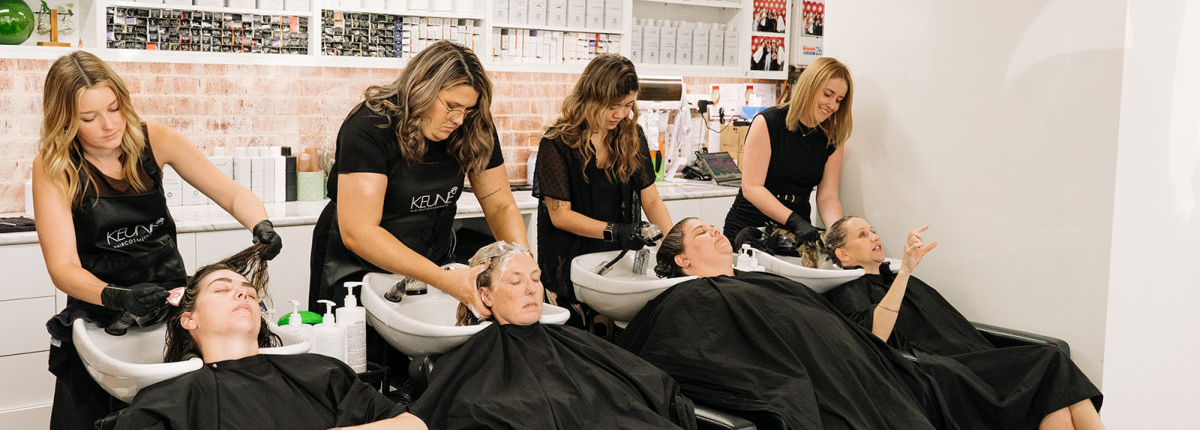
Hair Repair Treatments Explained: Which Option Is Right for You?
If you’ve ever looked at a salon treatment menu and felt completely overwhelmed, you’re certainly not alone.
Many clients know their hair isn’t looking or feeling its best, but they’re unsure what type of treatment they actually need. Terms like moisture treatment, protein treatment, bond-building treatment, repair treatment, and nanoplasty are often mentioned, yet most people have no idea what the difference is or which option is most appropriate for their hair.
The truth is that not all damaged hair is the same. Hair that feels dry and rough requires a different approach to hair that is breaking, while frizzy hair often has different needs again.
This is why choosing the right treatment starts with understanding what’s actually happening to your hair.
If you’re still trying to identify the cause of your concerns, you may find these articles helpful:
- Hair Damage & Repair: Why Hair Becomes Damaged and What You Can Do About It
- Why Is My Hair So Damaged? 7 Common Causes of Hair Damage
- Why Is My Hair Breaking Off?
- Why Is My Hair So Frizzy All of a Sudden?
Before Choosing a Treatment, Understand the Problem
One of the biggest misconceptions about hair treatments is that there is a single solution for every type of damage. In reality, the most effective treatment depends on what your hair is lacking.
For example, hair that feels dry and rough may simply need additional moisture. Hair that is snapping and breaking may need strengthening. Hair that is frizzy and difficult to manage may require smoothing rather than repair.
This is why two people with seemingly similar concerns can end up benefiting from completely different treatment plans.
A professional consultation helps identify whether your hair is struggling with dryness, weakness, breakage, porosity, frizz, chemical damage, or a combination of several factors.
Once the underlying issue is identified, choosing the most appropriate treatment becomes much easier.
Moisture Treatments
Moisture treatments are often one of the most popular and versatile options available.
These treatments are designed to replenish hydration within the hair and improve softness, shine, and manageability. They can be particularly beneficial for hair that feels dry, rough, dull, or difficult to detangle.
Many people are surprised to discover how much of a difference hydration can make. Hair that has become dehydrated often appears lifeless and frizzy, even if it isn’t severely damaged. Restoring moisture can help the hair feel smoother, softer, and more resilient.
Moisture treatments are often recommended for clients who:
- Regularly colour their hair
- Use heat styling tools frequently
- Spend time in the sun, chlorine, or salt water
- Have naturally dry hair
- Notice increased frizz and roughness
While moisture treatments can dramatically improve the condition of many hair types, they are not always the best solution for hair that has significant structural weakness or breakage.
In those situations, additional strengthening support may also be required.
Protein Treatments
If moisture treatments are designed to improve hydration, protein treatments are designed to help strengthen the hair.
Hair is primarily made up of a protein called keratin. When the hair becomes weakened through colouring, bleaching, heat styling, or environmental exposure, some of that strength can be lost.
Protein treatments help reinforce the hair structure and improve its ability to withstand everyday stress.
These treatments are often recommended for hair that:
- Feels weak or fragile
- Breaks easily
- Lacks elasticity
- Has been chemically processed
- Feels overly soft or stretchy when wet
One of the signs that hair may benefit from strengthening is when it stretches excessively before breaking. Healthy hair should have some flexibility, but hair that stretches too much may indicate that additional structural support is needed.
It’s important to note that more protein is not always better. Excessive protein can sometimes leave hair feeling stiff or brittle, which is why a balanced approach is often recommended.
The goal is not simply adding protein. It’s creating the right balance between moisture and strength.
Bond-Building Treatments
Bond-building treatments have become increasingly popular in recent years, particularly among clients who colour or bleach their hair.
These treatments are designed to support and strengthen the internal structure of the hair by helping reconnect weakened bonds within the hair shaft.
While no treatment can completely reverse severe damage, bond-building technologies can help improve the strength, resilience, and overall condition of chemically processed hair.
They are particularly useful for clients who:
- Regularly lighten or bleach their hair
- Have undergone colour correction services
- Experience ongoing breakage
- Want to maintain healthier blonde hair
- Have hair that feels compromised after chemical services
According to Healthline’s guide to repairing damaged hair, treatments that focus on strengthening and protecting the hair structure can play an important role in managing chemically damaged hair.
Bond-building treatments are often most effective when combined with good home care and realistic expectations regarding future colouring services.
Nanoplasty: When Frizz Is the Real Problem
One of the biggest misconceptions about damaged hair is that every concern requires a repair treatment. In reality, some clients are less concerned about damage and more concerned about manageability.
Perhaps your hair feels puffy, frizzy, difficult to style, or impossible to control in humid weather. You may find yourself reaching for the straightener every morning just to make your hair look presentable. In these situations, the issue isn’t always a lack of moisture or strength. Sometimes the primary concern is simply how the hair behaves.
This is where Nanoplasty may be worth considering.
Nanoplasty is an advanced smoothing treatment designed to reduce frizz, improve manageability, and leave the hair looking smoother and shinier. Many clients find that styling becomes quicker and easier after treatment, while others simply enjoy having hair that feels more predictable and less affected by humidity.
It’s important to understand that Nanoplasty is not a miracle cure for severe damage. However, for clients whose main concern is frizz, puffiness, or manageability, it can deliver impressive results.
If you’d like to learn more, you may also find these articles helpful:
- What Is Nanoplasty? A Deep Dive into Advanced Hair Treatment
- Nanoplasty vs Keratin Treatments: Which Is Right for Your Hair?
- Expert Aftercare Tips to Maximise Your Nanoplasty Results
When a Haircut Is Part of the Solution
Let’s address the topic many people hope to avoid.
Sometimes the best treatment isn’t found in a bottle or an in-salon service. Sometimes the most effective way to improve the appearance and condition of your hair is to remove the sections that are beyond repair.
This doesn’t mean you need to lose all your length. In many cases, a strategic trim can dramatically improve how the hair looks and feels. Removing split ends and the most damaged sections often helps prevent further splitting and makes the hair appear thicker, healthier, and easier to manage.
Many clients are surprised by how much better their hair looks after removing just a small amount of damaged length. Hair that was previously wispy, uneven, or prone to tangling often appears fuller and healthier almost immediately.
If you’re wondering whether treatments alone are enough, read Can Damaged Hair Be Repaired or Does It Need to Be Cut Off?.
Why Professional Advice Matters
One of the challenges with choosing a hair treatment is that many different concerns can produce similar symptoms.
For example, two people may both complain that their hair feels dry. One person’s issue may be a lack of moisture, while the other may be experiencing significant structural damage caused by bleaching. Although the symptoms sound similar, the most effective treatment may be completely different.
This is why professional advice can be so valuable. Rather than guessing which treatment might work, a professional consultation allows the condition of the hair to be properly assessed and an appropriate plan developed.
Sometimes that plan involves moisture treatments. Sometimes strengthening treatments are more appropriate. In other cases, smoothing services, colour correction, or a simple trim may deliver the best outcome.
The goal isn’t to sell the most expensive treatment. The goal is to identify what your hair actually needs.
When Colour Correction and Hair Health Go Hand in Hand
For some clients, damaged hair is closely linked to previous colouring experiences.
Whether it’s uneven colour, over-processing, excessive bleaching, or a DIY colour experiment that didn’t go according to plan, restoring the appearance of the hair often requires a careful balance between achieving the desired colour result and protecting the condition of the hair.
This is why colour correction isn’t simply about changing the colour. It’s about developing a plan that prioritises the health and integrity of the hair while working towards your long-term goals.
Learn more about our Colour Correction service.
Healthy Hair Is Usually About Consistency, Not Quick Fixes
One of the most important things to understand about hair treatments is that lasting results rarely come from a single appointment.
While some treatments can provide immediate improvements in softness, shine, and manageability, maintaining healthy hair usually requires consistency. Regular maintenance, appropriate home care, and reducing the habits that contribute to damage are all important parts of the process.
The American Academy of Dermatology highlights the importance of healthy hair care habits, noting that preventing further damage is often just as important as treating existing concerns.
You can read more in their article: Healthy Hair Care: Tips for Strong, Healthy Hair.
The most successful results usually come from combining professional treatments with a realistic long-term approach to hair care.
Final Thoughts
If you’re trying to decide which hair treatment is right for you, the first step is understanding what your hair is actually telling you.
Dry hair, weak hair, frizzy hair, and chemically damaged hair often require different solutions. While it can be tempting to search for a single miracle treatment, the best results usually come from choosing an approach that addresses the specific needs of your hair.
Whether that involves moisture treatments, strengthening treatments, bond-building technology, Nanoplasty, colour correction, or simply a strategic trim, the goal is always the same: healthier, stronger, more manageable hair.
If you’re unsure which option is best for your hair, contact The Cutting Room to arrange a consultation. Our experienced team can assess your hair and recommend the most appropriate treatment plan based on your goals, lifestyle, and current hair condition.
Frequently asked questions
What is the best treatment for damaged hair?
The best treatment depends on the type of damage you’re experiencing. Dry hair may benefit from moisture treatments, while weak or chemically processed hair may require strengthening or bond-building treatments. A professional consultation can help identify the most suitable option for your hair.
Do hair treatments actually work?
Professional treatments can significantly improve the appearance, softness, strength, and manageability of damaged hair. While they cannot completely reverse severe damage, they can help improve the overall condition of the hair and reduce future breakage when combined with good home care.
How often should I have a hair treatment?
This depends on your hair type, condition, and goals. Some clients benefit from monthly treatments, while others may only require occasional maintenance. Your stylist can recommend a schedule that suits your hair’s needs.
Is Nanoplasty a repair treatment?
Nanoplasty is primarily a smoothing treatment rather than a repair treatment. However, it can dramatically improve the appearance and manageability of frizzy, puffy, or difficult-to-control hair, making it a popular option for many clients.
Can treatments replace a haircut?
Not always. Professional treatments can improve many forms of damage, but severely split or damaged ends may still need to be trimmed. In many cases, the best results come from combining treatments with regular maintenance trims.
What is the difference between a moisture treatment and a protein treatment?
Moisture treatments focus on improving hydration, softness, and manageability, while protein treatments help strengthen the hair structure. Some hair needs more moisture, some needs more strength, and many people benefit from a balance of both.
Are bond-building treatments worth it?
For clients who regularly colour or bleach their hair, bond-building treatments can be extremely beneficial. They are designed to help strengthen the internal structure of the hair and can improve resilience, manageability, and overall hair condition.
How do I know which treatment my hair needs?
The easiest way is to have your hair professionally assessed. Dryness, breakage, frizz, chemical damage, and age-related changes can all look similar, but they often require different solutions. A professional consultation can help determine the most appropriate treatment plan.
You may also be interested in …
 https://www.thecuttingroom.net.au/wp-content/uploads/2026/06/Hair-repair-treatments.jpg
600
1200
IvanaKKatzAdmin2024
https://www.thecuttingroom.net.au/wp-content/uploads/2025/02/The-Cutting-Room-Black.png
IvanaKKatzAdmin20242026-06-16 12:15:562026-06-16 12:17:41Hair Repair Treatments Explained: Which Option Is Right for You?
https://www.thecuttingroom.net.au/wp-content/uploads/2026/06/Hair-repair-treatments.jpg
600
1200
IvanaKKatzAdmin2024
https://www.thecuttingroom.net.au/wp-content/uploads/2025/02/The-Cutting-Room-Black.png
IvanaKKatzAdmin20242026-06-16 12:15:562026-06-16 12:17:41Hair Repair Treatments Explained: Which Option Is Right for You? https://www.thecuttingroom.net.au/wp-content/uploads/2026/06/Why-is-my-hair-so-frizzy.jpg
600
1200
IvanaKKatzAdmin2024
https://www.thecuttingroom.net.au/wp-content/uploads/2025/02/The-Cutting-Room-Black.png
IvanaKKatzAdmin20242026-06-16 12:10:012026-06-16 12:10:01Why Is My Hair So Frizzy All of a Sudden?
https://www.thecuttingroom.net.au/wp-content/uploads/2026/06/Why-is-my-hair-so-frizzy.jpg
600
1200
IvanaKKatzAdmin2024
https://www.thecuttingroom.net.au/wp-content/uploads/2025/02/The-Cutting-Room-Black.png
IvanaKKatzAdmin20242026-06-16 12:10:012026-06-16 12:10:01Why Is My Hair So Frizzy All of a Sudden? https://www.thecuttingroom.net.au/wp-content/uploads/2026/06/Why-is-my-hair-breaking-off.jpg
600
1200
IvanaKKatzAdmin2024
https://www.thecuttingroom.net.au/wp-content/uploads/2025/02/The-Cutting-Room-Black.png
IvanaKKatzAdmin20242026-06-16 12:07:302026-06-16 12:07:30Why Is My Hair Breaking Off?
https://www.thecuttingroom.net.au/wp-content/uploads/2026/06/Why-is-my-hair-breaking-off.jpg
600
1200
IvanaKKatzAdmin2024
https://www.thecuttingroom.net.au/wp-content/uploads/2025/02/The-Cutting-Room-Black.png
IvanaKKatzAdmin20242026-06-16 12:07:302026-06-16 12:07:30Why Is My Hair Breaking Off?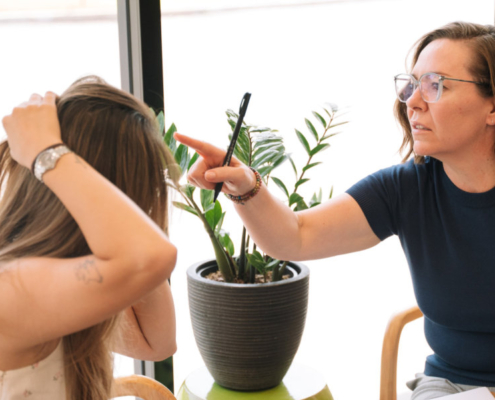 https://www.thecuttingroom.net.au/wp-content/uploads/2026/06/Can-damaged-hair-be-repaired.jpg
600
1200
IvanaKKatzAdmin2024
https://www.thecuttingroom.net.au/wp-content/uploads/2025/02/The-Cutting-Room-Black.png
IvanaKKatzAdmin20242026-06-16 12:04:102026-06-16 12:04:10Can Damaged Hair Be Repaired or Does It Need to Be Cut Off?
https://www.thecuttingroom.net.au/wp-content/uploads/2026/06/Can-damaged-hair-be-repaired.jpg
600
1200
IvanaKKatzAdmin2024
https://www.thecuttingroom.net.au/wp-content/uploads/2025/02/The-Cutting-Room-Black.png
IvanaKKatzAdmin20242026-06-16 12:04:102026-06-16 12:04:10Can Damaged Hair Be Repaired or Does It Need to Be Cut Off? https://www.thecuttingroom.net.au/wp-content/uploads/2026/06/Why-is-my-hair-so-damaged.jpg
600
1200
IvanaKKatzAdmin2024
https://www.thecuttingroom.net.au/wp-content/uploads/2025/02/The-Cutting-Room-Black.png
IvanaKKatzAdmin20242026-06-16 12:02:032026-06-16 12:02:03Why Is My Hair So Damaged? Common Causes of Hair Damage
https://www.thecuttingroom.net.au/wp-content/uploads/2026/06/Why-is-my-hair-so-damaged.jpg
600
1200
IvanaKKatzAdmin2024
https://www.thecuttingroom.net.au/wp-content/uploads/2025/02/The-Cutting-Room-Black.png
IvanaKKatzAdmin20242026-06-16 12:02:032026-06-16 12:02:03Why Is My Hair So Damaged? Common Causes of Hair Damage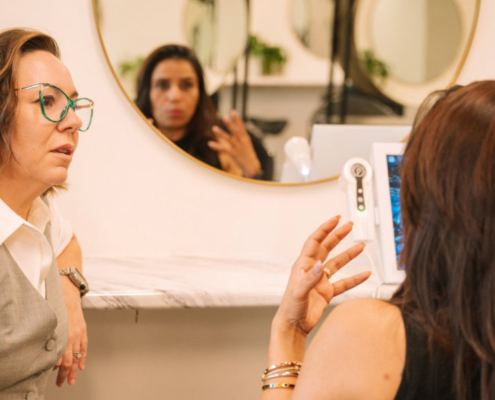 https://www.thecuttingroom.net.au/wp-content/uploads/2026/06/Hair-Damage-and-Repair.jpg
600
1200
IvanaKKatzAdmin2024
https://www.thecuttingroom.net.au/wp-content/uploads/2025/02/The-Cutting-Room-Black.png
IvanaKKatzAdmin20242026-06-16 11:57:392026-06-16 11:58:27Hair Damage & Repair: Why Hair Becomes Damaged and What You Can Do About It
https://www.thecuttingroom.net.au/wp-content/uploads/2026/06/Hair-Damage-and-Repair.jpg
600
1200
IvanaKKatzAdmin2024
https://www.thecuttingroom.net.au/wp-content/uploads/2025/02/The-Cutting-Room-Black.png
IvanaKKatzAdmin20242026-06-16 11:57:392026-06-16 11:58:27Hair Damage & Repair: Why Hair Becomes Damaged and What You Can Do About It
