
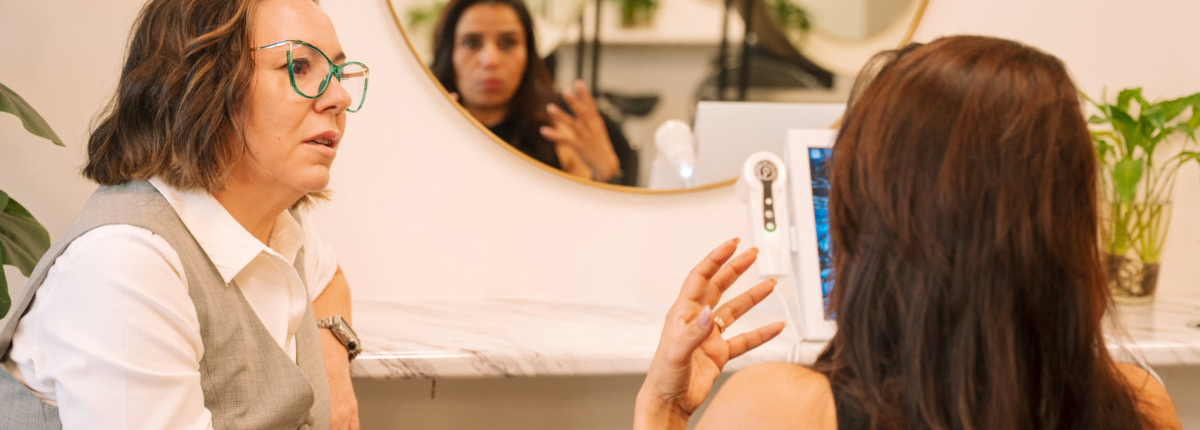
Hair Damage & Repair: Why Hair Becomes Damaged and What You Can Do About It
Your hair wasn’t always like this.
At some point, you may have noticed it felt drier, rougher, frizzier, or more difficult to manage than it used to. Maybe your ends started looking brittle, your hair became prone to breakage, or it simply lost the shine and softness it once had.
Hair damage is one of the most common concerns we see at The Cutting Room, and it can affect anyone, regardless of age, hair type, or lifestyle. The good news is that understanding what causes hair damage is the first step towards improving the health, strength, and appearance of your hair.
While severely damaged hair cannot always be restored to its original condition, there is often a lot that can be done to improve its look, feel, and manageability.
In this guide, we’ll explore the most common causes of hair damage, the signs to look out for, and the professional solutions available to help restore healthier-looking hair.
What Is Hair Damage?
Hair damage occurs when the outer protective layer of the hair, known as the cuticle, becomes weakened, lifted, or worn away.
Healthy hair has a smooth cuticle that helps lock in moisture, protect the inner structure of the hair shaft, and create shine. When that protective layer becomes damaged, the hair can lose moisture more easily and become increasingly vulnerable to further damage.
This is why damaged hair often feels dry, rough, tangled, frizzy, and difficult to manage.
According to the American Academy of Dermatology, everyday habits such as excessive heat styling, chemical processing, harsh brushing, and tight hairstyles can all contribute to hair damage over time.
In many cases, hair damage develops gradually. You may not notice it immediately, but over months or years the effects can become increasingly obvious.
Common Signs of Hair Damage
Hair damage can show up in different ways depending on your hair type, lifestyle, and styling habits.
Some of the most common signs include:
- Dry or rough texture
- Excessive frizz
- Dullness and lack of shine
- Split ends
- Hair that tangles easily
- Increased breakage
- Hair that feels weak or fragile
- Difficulty holding a style
- Hair that feels straw-like
Many clients assume these changes are simply part of getting older, but in many cases they are signs that the hair is struggling and may benefit from professional attention.
Why Hair Becomes Damaged
There is rarely a single cause of hair damage. More often, it’s the result of multiple factors working together over time.
Let’s look at some of the most common contributors.
Chemical Processing
Colouring, bleaching, foils, balayage, perms, and other chemical services all alter the structure of the hair to some degree.
Modern colouring products and professional techniques are far gentler than they once were, but repeated chemical processing can still weaken the hair shaft over time.
This doesn’t mean you should avoid colouring your hair. It simply means that maintaining healthy hair often requires a balance between achieving your desired look and protecting the condition of your hair.
If you’re considering going lighter, you may find our article How to Go Blonde Without Damaging Your Hair helpful.
You can also learn more about our Foils & Lightening, Balayage, and Colour Correction services.
Heat Styling
Straighteners, curling irons, hot brushes, and hair dryers can all contribute to damage when used frequently or at excessive temperatures.
Heat styling removes moisture from the hair and can weaken the protective cuticle layer, leaving hair more susceptible to dryness, frizz, and breakage.
Using heat protection products and reducing styling temperatures where possible can help minimise unnecessary damage.
Environmental Factors
Sun exposure, wind, chlorine, salt water, and pollution can all affect the health and appearance of your hair.
While these factors may not cause severe damage on their own, they can contribute to dryness and make existing damage worse.
This is particularly noticeable in Australia, where intense sun exposure can take a toll on both the hair and scalp.
Mechanical Damage
Some of the most common causes of damage are also the easiest to overlook.
Rough brushing, aggressive towel drying, tight hairstyles, poor-quality hair accessories, and even sleeping habits can place stress on the hair shaft and contribute to breakage over time.
Small habits repeated every day can eventually have a significant impact on the condition of your hair.
Hair Extensions
When professionally selected, applied, and maintained, extensions can be a fantastic way to add length, volume, and confidence.
However, poorly applied extensions or inadequate maintenance can place additional stress on the natural hair.
If you’re considering extensions or already wear them, it’s important to ensure they are regularly maintained and suited to your hair type.
Learn more about our Hair Extensions service.
Why Is My Hair So Damaged?
One of the most common questions we hear from clients is simply, “Why is my hair so damaged?”
The answer is often more complicated than people expect.
Hair damage rarely comes from a single appointment, one styling tool, or one product. More often, it is the cumulative result of years of colouring, heat styling, environmental exposure, and everyday wear and tear.
For some people, regular bleaching or lightening may be the main contributor. For others, it may be daily straightening, frequent swimming, poor-quality products, or simply years of small habits that gradually weaken the hair.
The first step towards improving your hair is identifying the factors that may be contributing to the damage.
If you’d like a deeper dive into the most common causes, read our article Why Is My Hair So Damaged? Common Causes of Hair Damage.
You may also find the American Academy of Dermatology’s article on Hair Care Habits That Can Damage Your Hair useful.
Why Is My Hair Breaking Off?
Hair breakage is one of the clearest signs that your hair is struggling.
Unlike normal hair shedding, which occurs when a hair naturally falls from the root, breakage happens when the hair shaft snaps somewhere along its length.
This often leaves hair looking thinner, shorter in some areas, and more difficult to style.
Common causes of breakage include:
- Repeated bleaching or chemical processing
- Excessive heat styling
- Over-brushing
- Tight hairstyles
- Lack of moisture
- Structural weakness within the hair shaft
Breakage can be frustrating because many people assume their hair has stopped growing, when in reality it is breaking at a similar rate to which it is growing.
If you’re noticing excessive breakage, our article Why Is My Hair Breaking Off? explores this topic in more detail.
Medical News Today also provides a useful overview of Hair Breakage: Common Causes and How to Repair Damaged Hair.
Why Is My Hair So Frizzy All of a Sudden?
Frizz is often one of the first signs that the hair’s protective cuticle layer is no longer lying smoothly.
When the cuticle becomes raised or damaged, moisture from the surrounding environment can enter the hair shaft more easily, causing the hair to swell and appear frizzy.
Clients often tell us that their hair suddenly seems harder to control than it used to be. In reality, there is usually an underlying cause.
Some of the most common contributors include:
- Chemical processing
- Heat damage
- Humidity
- Dryness and dehydration
- Changes in hair texture as we age
- Environmental exposure
If this sounds familiar, read our article Why Is My Hair So Frizzy All of a Sudden?.
You may also find our guide on How to Avoid Frizz: Top Products and Techniques helpful.
For clients struggling with ongoing frizz and manageability issues, Nanoplasty may be worth considering. This advanced smoothing treatment can help reduce frizz and improve manageability while leaving the hair looking smoother and healthier.
Can Damaged Hair Be Repaired?
This is perhaps the most frequently asked question when it comes to hair health.
The honest answer is that it depends on the extent of the damage.
Hair is made up of dead protein cells, which means severely damaged sections cannot be permanently restored to their original virgin condition. However, that doesn’t mean all hope is lost.
Professional treatments can often improve the appearance, strength, softness, and manageability of damaged hair. In many cases, clients are surprised by just how much healthier their hair can look and feel with the right approach.
Depending on the condition of the hair, improvements may come from:
- Professional moisture treatments
- Protein treatments
- Bond-building treatments
- Targeted home care recommendations
- Reducing further damage
- Strategic trimming where necessary
Sometimes the best solution is not choosing between repair and cutting. Instead, it’s often a combination of both.
To learn more, read our article Can Damaged Hair Be Repaired or Does It Need to Be Cut Off?.
The American Academy of Dermatology also provides practical advice on healthy hair care habits that can help minimise future damage.
Professional Solutions for Damaged Hair
When hair becomes damaged, many people assume their only option is to cut it all off and start again. While a haircut can certainly help remove the most damaged areas, there are often other solutions that can significantly improve the condition, appearance, and manageability of your hair.
The right solution depends on what has caused the damage, the current condition of your hair, and your long-term hair goals.
This is why professional advice can be invaluable. Rather than guessing which products or treatments might work, a professional assessment can help identify the most appropriate approach for your specific hair type and concerns.
Professional Hair Treatments
One of the most effective ways to improve the condition of damaged hair is through targeted in-salon treatments.
Professional treatments are designed to address specific concerns such as dryness, dehydration, breakage, loss of elasticity, and rough texture. Depending on your hair’s needs, treatments may focus on restoring moisture, strengthening the hair structure, improving softness, or enhancing shine.
Many clients notice an immediate improvement in how their hair feels after a professional treatment, particularly when treatments are combined with an appropriate home care routine.
Learn more about our Hair Treatments.
Nanoplasty for Frizz and Manageability
Sometimes what people describe as “damaged hair” is actually a combination of dryness, frizz, puffiness, and lack of manageability.
For clients dealing with ongoing frizz and difficult-to-control hair, Nanoplasty may be worth considering.
Nanoplasty is an advanced smoothing treatment designed to reduce frizz, improve manageability, and leave hair looking smoother, shinier, and healthier. While it is not a miracle cure for severe damage, it can dramatically improve the overall appearance and feel of many hair types.
If you’re interested in learning more, you may also enjoy reading:
- What Is Nanoplasty? A Deep Dive into Advanced Hair Treatment
- Nanoplasty vs Keratin Treatments: Which Is Right for Your Hair?
- Expert Aftercare Tips to Maximise Your Nanoplasty Results
Colour Correction
In some cases, damage is linked to previous colouring services, uneven colour results, over-processing, or DIY colour applications.
Colour correction isn’t just about fixing the appearance of the colour. It often involves creating a plan that prioritises the health and integrity of the hair while working towards your desired result.
Our Colour Correction service is designed to help clients navigate these situations safely and realistically.
Protecting the condition of the hair is always a key part of the process.
How to Prevent Future Hair Damage
While some damage is unavoidable, many of the most common causes of hair damage can be minimised with the right habits and maintenance routine.
The goal isn’t perfection. It’s consistency.
Small changes can often make a significant difference over time.
Use Heat Styling Wisely
Heat styling doesn’t have to be eliminated entirely, but using heat protection products and reducing temperatures where possible can help protect the hair shaft.
If you’re using straighteners or curling irons daily, consider whether some styling sessions can be replaced with lower-heat alternatives.
Invest in Quality Hair Care Products
Professional products are formulated differently to many supermarket alternatives and are often designed to address specific concerns such as dryness, colour protection, hydration, or repair.
Using products that are appropriate for your hair type can help maintain the results achieved in the salon.
Protect Blonde and Lightened Hair
Blonde hair often requires additional care because the lightening process can leave hair more vulnerable to dryness and breakage.
If you’re blonde or considering going lighter, you may find these articles helpful:
Schedule Regular Maintenance
Regular trims, treatments, and professional advice can help prevent small issues from becoming bigger problems.
Many clients wait until their hair feels severely damaged before seeking help, but addressing concerns early often produces better results.
Follow Professional Advice
Your hair is unique. What works for a friend, influencer, or social media personality may not be the best approach for your hair type or goals.
Professional recommendations are based on the condition of your hair and can help you avoid unnecessary damage in the future.
The American Academy of Dermatology also provides useful guidance in:
When Should You Seek Professional Advice?
If your hair feels increasingly dry, brittle, frizzy, rough, or difficult to manage despite your best efforts, it may be time for a professional assessment.
Likewise, if you’re experiencing significant breakage, struggling after a colouring service, or simply feel like your hair isn’t responding to your usual routine, professional advice can help identify the underlying causes and recommend an appropriate solution.
At The Cutting Room, we work with clients experiencing a wide range of hair concerns, from mild dryness through to significant damage caused by years of colouring, heat styling, or environmental exposure.
Our goal is always to help you achieve healthier-looking hair while creating a realistic plan that suits your lifestyle, budget, and hair goals.
Final Thoughts
Hair damage is incredibly common, but it doesn’t have to be something you simply live with.
Whether you’re dealing with dryness, frizz, breakage, split ends, or hair that simply doesn’t feel as healthy as it once did, understanding the cause is the first step towards finding the right solution.
With the right combination of professional advice, targeted treatments, and ongoing care, it is often possible to dramatically improve the look, feel, and manageability of your hair.
If you’re concerned about the condition of your hair, we’d love to help. Contact The Cutting Room to discuss your concerns or book a consultation to find out which treatment options may be right for you.
Frequently asked questions
What causes hair damage?
Hair damage can occur when the protective outer layer of the hair, known as the cuticle, becomes weakened or worn down. Common causes include colouring, bleaching, heat styling, excessive sun exposure, chlorine, harsh brushing, tight hairstyles, and poor hair care habits. In many cases, hair damage develops gradually over time as a result of multiple factors rather than a single event.
Can damaged hair be repaired?
While severely damaged hair cannot be completely restored to its original virgin condition, many professional treatments can significantly improve its appearance, softness, strength, and manageability. Moisture treatments, protein treatments, bond-building treatments, and the right home care routine can all help improve the condition of damaged hair. In some cases, trimming the most damaged areas may also be recommended.
How do I know if my hair is damaged?
Some of the most common signs of hair damage include dryness, frizz, split ends, breakage, dullness, excessive tangling, and hair that feels rough or straw-like. Damaged hair may also become more difficult to style and may not hold colour or curls as well as it once did. If you’re unsure whether your hair is damaged, a professional consultation can help identify the underlying causes.
Can bleaching permanently damage hair?
Bleaching works by lifting the natural pigment from the hair, which changes the structure of the hair shaft. While professional lightening services are designed to minimise damage, repeated bleaching can weaken the hair over time and make it more prone to dryness and breakage. The key is to balance achieving your desired blonde result with maintaining the overall health of your hair through proper aftercare and professional advice.
What is the best treatment for damaged hair?
The best treatment depends on the type and severity of the damage. Some hair benefits most from moisture-rich treatments, while other hair may need protein, bond-building treatments, or smoothing services such as nanoplasty. A professional assessment can help determine the most suitable treatment plan based on your hair type, concerns, and goals.
How long does it take to improve damaged hair?
The timeframe varies depending on the condition of your hair and the type of damage present. Some clients notice an improvement in softness and manageability after a single professional treatment, while more significant damage may require a series of treatments and ongoing home care. Consistency is usually the key to achieving long-term improvements in hair health.
Should I cut damaged hair off?
Not always. While trimming split ends and severely damaged sections can help improve the appearance and condition of the hair, many forms of damage can also be managed with professional treatments and a tailored hair care routine. The best approach depends on the extent of the damage and your hair goals.
Can heat styling damage hair?
Yes. Frequent use of straighteners, curling irons, hot brushes, and high-temperature hair dryers can weaken the hair cuticle and contribute to dryness, frizz, and breakage. Using heat protection products and reducing styling temperatures where possible can help minimise heat-related damage.
Can hair extensions damage your natural hair?
When professionally selected, applied, and maintained, hair extensions should not cause significant damage to your natural hair. However, poorly applied extensions, incorrect removal, or inadequate maintenance can place unnecessary stress on the hair and scalp. Regular maintenance appointments and following your stylist’s advice are essential.
What can I do to prevent hair damage in the future?
Preventing hair damage often comes down to a combination of good habits and professional care. Using heat protection products, limiting excessive heat styling, scheduling regular trims, using quality hair care products, protecting your hair from environmental stressors, and seeking professional advice when concerns arise can all help keep your hair healthier for longer.
You may also be interested in …
 https://www.thecuttingroom.net.au/wp-content/uploads/2026/06/Hair-repair-treatments.jpg
600
1200
IvanaKKatzAdmin2024
https://www.thecuttingroom.net.au/wp-content/uploads/2025/02/The-Cutting-Room-Black.png
IvanaKKatzAdmin20242026-06-16 12:15:562026-06-16 12:17:41Hair Repair Treatments Explained: Which Option Is Right for You?
https://www.thecuttingroom.net.au/wp-content/uploads/2026/06/Hair-repair-treatments.jpg
600
1200
IvanaKKatzAdmin2024
https://www.thecuttingroom.net.au/wp-content/uploads/2025/02/The-Cutting-Room-Black.png
IvanaKKatzAdmin20242026-06-16 12:15:562026-06-16 12:17:41Hair Repair Treatments Explained: Which Option Is Right for You? https://www.thecuttingroom.net.au/wp-content/uploads/2026/06/Why-is-my-hair-so-frizzy.jpg
600
1200
IvanaKKatzAdmin2024
https://www.thecuttingroom.net.au/wp-content/uploads/2025/02/The-Cutting-Room-Black.png
IvanaKKatzAdmin20242026-06-16 12:10:012026-06-16 12:10:01Why Is My Hair So Frizzy All of a Sudden?
https://www.thecuttingroom.net.au/wp-content/uploads/2026/06/Why-is-my-hair-so-frizzy.jpg
600
1200
IvanaKKatzAdmin2024
https://www.thecuttingroom.net.au/wp-content/uploads/2025/02/The-Cutting-Room-Black.png
IvanaKKatzAdmin20242026-06-16 12:10:012026-06-16 12:10:01Why Is My Hair So Frizzy All of a Sudden? https://www.thecuttingroom.net.au/wp-content/uploads/2026/06/Why-is-my-hair-breaking-off.jpg
600
1200
IvanaKKatzAdmin2024
https://www.thecuttingroom.net.au/wp-content/uploads/2025/02/The-Cutting-Room-Black.png
IvanaKKatzAdmin20242026-06-16 12:07:302026-06-16 12:07:30Why Is My Hair Breaking Off?
https://www.thecuttingroom.net.au/wp-content/uploads/2026/06/Why-is-my-hair-breaking-off.jpg
600
1200
IvanaKKatzAdmin2024
https://www.thecuttingroom.net.au/wp-content/uploads/2025/02/The-Cutting-Room-Black.png
IvanaKKatzAdmin20242026-06-16 12:07:302026-06-16 12:07:30Why Is My Hair Breaking Off? https://www.thecuttingroom.net.au/wp-content/uploads/2026/06/Can-damaged-hair-be-repaired.jpg
600
1200
IvanaKKatzAdmin2024
https://www.thecuttingroom.net.au/wp-content/uploads/2025/02/The-Cutting-Room-Black.png
IvanaKKatzAdmin20242026-06-16 12:04:102026-06-16 12:04:10Can Damaged Hair Be Repaired or Does It Need to Be Cut Off?
https://www.thecuttingroom.net.au/wp-content/uploads/2026/06/Can-damaged-hair-be-repaired.jpg
600
1200
IvanaKKatzAdmin2024
https://www.thecuttingroom.net.au/wp-content/uploads/2025/02/The-Cutting-Room-Black.png
IvanaKKatzAdmin20242026-06-16 12:04:102026-06-16 12:04:10Can Damaged Hair Be Repaired or Does It Need to Be Cut Off? https://www.thecuttingroom.net.au/wp-content/uploads/2026/06/Why-is-my-hair-so-damaged.jpg
600
1200
IvanaKKatzAdmin2024
https://www.thecuttingroom.net.au/wp-content/uploads/2025/02/The-Cutting-Room-Black.png
IvanaKKatzAdmin20242026-06-16 12:02:032026-06-16 12:02:03Why Is My Hair So Damaged? Common Causes of Hair Damage
https://www.thecuttingroom.net.au/wp-content/uploads/2026/06/Why-is-my-hair-so-damaged.jpg
600
1200
IvanaKKatzAdmin2024
https://www.thecuttingroom.net.au/wp-content/uploads/2025/02/The-Cutting-Room-Black.png
IvanaKKatzAdmin20242026-06-16 12:02:032026-06-16 12:02:03Why Is My Hair So Damaged? Common Causes of Hair Damage https://www.thecuttingroom.net.au/wp-content/uploads/2026/06/Hair-Damage-and-Repair.jpg
600
1200
IvanaKKatzAdmin2024
https://www.thecuttingroom.net.au/wp-content/uploads/2025/02/The-Cutting-Room-Black.png
IvanaKKatzAdmin20242026-06-16 11:57:392026-06-16 11:58:27Hair Damage & Repair: Why Hair Becomes Damaged and What You Can Do About It
https://www.thecuttingroom.net.au/wp-content/uploads/2026/06/Hair-Damage-and-Repair.jpg
600
1200
IvanaKKatzAdmin2024
https://www.thecuttingroom.net.au/wp-content/uploads/2025/02/The-Cutting-Room-Black.png
IvanaKKatzAdmin20242026-06-16 11:57:392026-06-16 11:58:27Hair Damage & Repair: Why Hair Becomes Damaged and What You Can Do About It
