
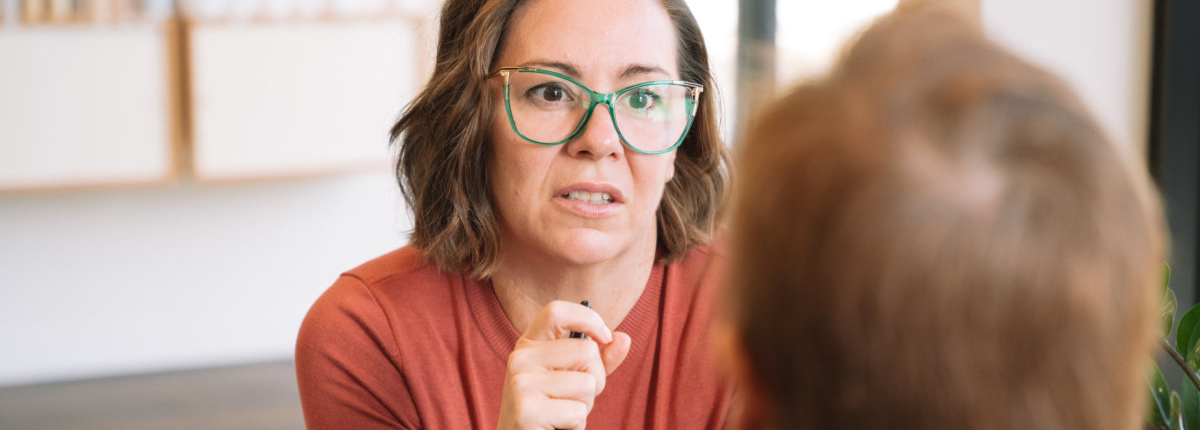
Why Is My Hair So Damaged? 7 Common Causes of Hair Damage
Have you ever run your fingers through your hair and thought, “It never used to feel like this”?
Maybe it feels rough instead of smooth. Perhaps it tangles more easily than it used to, looks dull no matter what products you use, or seems to break every time you brush it. For some people, the first sign is increased frizz. For others, it’s split ends, dryness, or hair that simply refuses to cooperate.
The reality is that hair damage is incredibly common. In fact, it’s one of the most frequent concerns we hear from clients at The Cutting Room. The good news is that damaged hair doesn’t usually happen overnight, which means there are often plenty of opportunities to identify what’s causing the problem and make positive changes before things get worse.
Understanding the cause of the damage is often the first step towards healthier, stronger, and more manageable hair.
If you’re looking for a complete overview of hair damage, treatments, and prevention, you may also find our guide Hair Damage & Repair: Why Hair Becomes Damaged and What You Can Do About It helpful.
What Does Damaged Hair Actually Look Like?
One of the challenges with hair damage is that it doesn’t always look the same from person to person. Some people assume their hair is simply dry when it’s actually damaged. Others think they have naturally frizzy hair when the underlying issue is a compromised hair cuticle.
Healthy hair typically feels smooth, reflects light well, and has a certain amount of flexibility and strength. Damaged hair, on the other hand, often loses some of these qualities. It may feel rough when you run your fingers through it, become difficult to style, or look dull even after washing.
Some of the most common signs of hair damage include:
- Dryness and rough texture
- Frizz and flyaways
- Split ends
- Breakage
- Lack of shine
- Hair that tangles easily
- Difficulty holding a style
- A straw-like or brittle feeling
If several of these sound familiar, there’s a good chance your hair is experiencing some level of damage.
1. Repeated Colouring and Bleaching
If there’s one cause of hair damage that most people immediately think of, it’s colouring and bleaching.
Every time hair is coloured, lightened, bleached, or chemically altered, the structure of the hair changes. Professional products and techniques have improved dramatically over the years, but the reality is that chemical processing still places stress on the hair shaft.
For many clients, the issue isn’t a single colouring appointment. It’s the cumulative effect of years of colouring, lightening, foils, balayage, toner appointments, and at-home touch-ups. Each service may only contribute a small amount of stress, but over time those effects can add up.
This is particularly true for people who regularly lighten their hair. Blonde shades often require more processing than darker colours, which means maintaining the health of the hair becomes increasingly important.
That doesn’t mean you need to give up your blonde ambitions. It simply means that healthy blonde hair requires a thoughtful approach, regular maintenance, and realistic expectations.
If you’re considering going lighter, read our article How to Go Blonde Without Damaging Your Hair.
You can also learn more about our Foils & Lightening, Balayage, and Colour Correction services.
2. Too Much Heat Styling
Your straightener, curling iron, hot brush, and hair dryer may be contributing more to your hair damage than you realise.
Heat styling works by temporarily changing the structure of the hair. While that’s what allows you to create smooth, straight styles or long-lasting curls, repeated exposure to high temperatures can gradually weaken the protective outer layer of the hair.
The challenge is that heat damage often develops slowly. You might not notice a problem after one blow-dry or one pass of the straightener. However, daily styling over months or years can leave the hair increasingly dry, fragile, and prone to breakage.
Many people don’t connect their styling routine with the condition of their hair because the effects happen so gradually. By the time the damage becomes obvious, the habits responsible may have been part of their routine for years.
Simple changes such as using a heat protectant, reducing styling temperatures, and allowing your hair to air dry occasionally can make a significant difference over time.
3. Environmental Damage
Living in Australia has many advantages, but our climate isn’t always kind to our hair.
Strong UV exposure, salt water, chlorine, wind, and dry weather can all contribute to hair damage. While these factors may not cause severe damage on their own, they can accelerate existing issues and make already vulnerable hair even more difficult to manage.
Think about how your skin feels after spending a long day at the beach without protection. Hair experiences many of the same environmental stresses. Over time, excessive exposure to the elements can leave hair feeling dry, rough, and lacking shine.
Blonde and colour-treated hair is often particularly vulnerable because it has already undergone some degree of chemical processing. This is one reason many clients notice their hair feels significantly drier after summer.
Protecting your hair from excessive sun exposure, rinsing chlorine from your hair promptly after swimming, and using appropriate treatments can all help reduce the impact of environmental damage.
4. Everyday Hair Habits You Don’t Think About
Sometimes the biggest contributors to hair damage aren’t dramatic colouring sessions or daily heat styling. They’re the small habits we repeat every single day without giving them much thought.
Many clients are surprised to discover that the way they brush their hair, tie it up, dry it after washing, or even sleep on it can affect its condition over time. Individually, these habits may seem harmless. However, when repeated day after day, they can gradually weaken the hair shaft and contribute to breakage, frizz, and split ends.
Some common examples include brushing wet hair too aggressively, using poor-quality brushes, rubbing hair vigorously with a towel, sleeping with wet hair, or constantly wearing tight ponytails and buns. While your hair may tolerate these behaviours occasionally, repeated stress can eventually take its toll.
The good news is that these are often some of the easiest causes of damage to address. Small changes to your daily routine can have a surprisingly positive impact on the health and appearance of your hair over time.
5. Hair Extensions That Aren’t Properly Maintained
Hair extensions often get blamed for hair damage, but the reality is a little more complicated than that.
Professionally selected, correctly applied, and properly maintained extensions should not automatically damage your natural hair. In fact, many clients wear extensions for years without experiencing significant issues. The key lies in choosing the right type of extension for your hair and committing to the recommended maintenance schedule.
Problems tend to occur when extensions are poorly applied, left in for too long, removed incorrectly, or not suited to the client’s hair type. In these situations, additional tension can be placed on the natural hair, increasing the risk of breakage and stress.
It’s also important to remember that extensions require a different care routine to natural hair. Regular brushing, proper washing techniques, and attending maintenance appointments all play a role in protecting both the extensions and your natural hair.
If you’re considering extensions or already wear them, our Hair Extensions service can help you choose an option that works with your hair rather than against it.
6. Changes in Your Hair as You Age
Many women notice that their hair changes significantly as they get older. In some cases, these changes can happen gradually over many years. In others, they can seem to appear almost overnight.
You may notice that your hair feels drier than it used to, has become more prone to frizz, lacks volume, or simply doesn’t behave the way it once did. This can be frustrating, especially if you’ve been using the same products and following the same routine for years.
Hormonal changes can play a significant role in these shifts. As we age, the scalp often produces less natural oil, which can leave hair feeling drier and more vulnerable to damage. Changes associated with perimenopause and menopause can also affect hair texture, thickness, and overall manageability.
This doesn’t necessarily mean your hair is severely damaged. However, it does mean that the products, treatments, and techniques that worked for you in the past may no longer be the best fit for your current hair needs.
The Cleveland Clinic explains that changes in hair texture, thickness, and growth patterns are a normal part of ageing, although the extent of these changes varies from person to person.
7. Existing Damage That Was Never Addressed
One of the biggest misconceptions about hair damage is that it will simply improve on its own if you ignore it long enough.
Unfortunately, hair damage often has a cumulative effect. Hair that has already been weakened by colouring may become more vulnerable to heat damage. Heat-damaged hair may then become more prone to breakage. Breakage can lead to frizz, split ends, and difficulty styling, creating a cycle that becomes increasingly difficult to manage.
This is why early intervention can make such a difference. Addressing concerns when they first appear often gives you more options and can prevent minor issues from developing into more significant problems.
Many clients tell us they wish they had sought professional advice sooner. What they assumed was simply “bad hair” was often a manageable issue that could have been improved with the right combination of treatments, products, and professional guidance.
When More Than One Cause Is Involved
One of the reasons hair damage can be difficult to identify is that there is rarely a single cause.
For example, imagine someone who colours their hair every six weeks, straightens it most mornings, spends time outdoors on weekends, and regularly ties it up in a tight ponytail for work. None of those habits alone may be causing significant damage, but together they create ongoing stress on the hair.
This is why there isn’t always a simple answer when someone asks, “Why is my hair so damaged?” More often than not, it’s a combination of factors working together over months or years.
Understanding that bigger picture is often the key to finding a solution that actually works.
Can Damaged Hair Be Repaired?
This is usually the next question clients ask, and understandably so.
While severely damaged hair cannot be restored to its original virgin condition, there is often a great deal that can be done to improve its appearance, softness, strength, and manageability. The earlier the issue is identified, the more options are typically available.
Professional treatments, improved home care, reducing future damage, and strategic trimming can all play a role in helping hair look and feel healthier. In many cases, clients are surprised by just how much improvement is possible when the underlying causes are properly addressed.
If you’d like to explore this topic in more detail, read Can Damaged Hair Be Repaired or Does It Need to Be Cut Off?.
What Treatments Can Help Damaged Hair?
The best treatment for damaged hair depends on what has caused the damage in the first place. Hair that has been weakened by bleaching may require a different approach to hair that has become dry through heat styling or environmental exposure.
This is one of the reasons professional advice can be so valuable. Rather than spending money on countless products that promise miracles, a professional assessment can help identify what your hair actually needs and which treatments are most likely to deliver results.
It’s also important to understand that healthy hair is rarely the result of a single treatment. In most cases, improvement comes from a combination of professional services, good home care, realistic expectations, and ongoing maintenance.
Professional Hair Treatments
Professional salon treatments are designed to target specific concerns such as dryness, dehydration, rough texture, loss of elasticity, and breakage. Depending on the condition of your hair, treatments may focus on restoring moisture, strengthening the hair structure, improving softness, or helping the hair retain hydration more effectively.
Many clients notice an immediate improvement in how their hair feels after a professional treatment. Hair often feels softer, smoother, and easier to manage. However, for more significant damage, a series of treatments may be recommended to achieve the best results.
Learn more about our Hair Treatments and how they may help improve the condition of your hair.
Nanoplasty for Frizz and Manageability
Sometimes what people describe as “damaged hair” is actually a combination of dryness, frizz, puffiness, and lack of manageability. While these issues can certainly be related to damage, they often require a slightly different solution.
For clients who struggle with ongoing frizz and difficult-to-manage hair, Nanoplasty may be worth considering. Nanoplasty is an advanced smoothing treatment that helps reduce frizz, improve manageability, and leave hair looking smoother, shinier, and healthier.
Many clients find that smoother, more manageable hair is easier to care for and less prone to further damage caused by excessive heat styling. If you’re constantly reaching for the straightener because your hair feels unruly, addressing the underlying issue may help reduce your reliance on daily heat styling.
Colour Correction and Hair Health
In some cases, damaged hair is closely linked to previous colouring experiences. Uneven colour, over-processing, excessive bleaching, or DIY colour mishaps can all affect both the appearance and condition of the hair.
Colour correction is about much more than fixing the colour itself. A good colour correction plan should also consider the health and integrity of the hair. Sometimes achieving the desired result requires a gradual approach that prioritises hair condition rather than trying to achieve everything in a single appointment.
Our Colour Correction service is designed to help clients navigate these situations while protecting the long-term health of their hair.
When Should You Seek Professional Help?
Many people wait far longer than they need to before seeking professional advice. They try another shampoo, another treatment mask, another social media recommendation, hoping something will magically solve the problem.
While quality products certainly have their place, there comes a point where professional guidance can save both time and money. If your hair continues to feel dry, brittle, frizzy, rough, or prone to breakage despite your efforts, it may be time for a professional assessment.
You should also consider seeking advice if:
- Your hair has become noticeably more fragile
- You’re experiencing significant breakage
- Your hair no longer responds to your usual routine
- Your colour seems to fade quickly
- You’re considering a major colour change
- You’re unsure which treatments are appropriate for your hair
Sometimes a small adjustment to your routine can make a significant difference. Other times, a more comprehensive treatment plan may be required. The important thing is understanding what’s happening rather than continuing to guess.
Healthy Hair Starts with Understanding the Cause
One of the biggest mistakes people make is focusing solely on the symptoms of damaged hair rather than the underlying cause. Dryness, frizz, breakage, and dullness are all signs that something is happening, but they don’t necessarily tell you why.
For example, two people may both be struggling with frizz, yet one person’s issue may be related to bleaching while the other’s is caused by hormonal changes or environmental exposure. Treating both situations exactly the same way is unlikely to produce the best results.
Understanding the root cause allows you to make better decisions about treatments, products, styling habits, and maintenance. It also helps you focus your time and money on solutions that are genuinely suited to your hair.
Final Thoughts
If you’ve been wondering why your hair feels dry, brittle, rough, frizzy, or difficult to manage, you’re certainly not alone. Hair damage is incredibly common, but it’s also something that can often be improved with the right advice and approach.
Whether the cause is colouring, bleaching, heat styling, environmental exposure, ageing, or simply years of accumulated wear and tear, understanding what’s contributing to the damage is the first step towards healthier-looking hair.
The sooner concerns are identified, the easier they are often to address. In many cases, a combination of professional treatments, better home care, and a few small changes to your routine can dramatically improve the look and feel of your hair.
If you’re concerned about the condition of your hair, we’d love to help. Contact The Cutting Room to discuss your concerns or book a consultation with our experienced team. Together, we can create a plan to help your hair look and feel its best.
Frequently asked questions
Why does my hair feel damaged even though I don’t colour it?
Many people assume hair damage is only caused by colouring or bleaching, but that’s not necessarily true. Heat styling, sun exposure, chlorine, harsh brushing, tight hairstyles, and everyday wear and tear can all affect the condition of your hair over time. In some cases, a combination of small habits repeated consistently can have a greater impact than colouring alone.
Why does damaged hair feel rough?
Healthy hair has a smooth outer layer called the cuticle, which helps lock in moisture and create shine. When the cuticle becomes damaged or lifted, the surface of the hair becomes uneven, making it feel rough, dry, and more prone to tangling. This is why damaged hair often lacks the softness and smoothness it once had.
Can damaged hair cause frizz?
Yes. Frizz is often one of the first signs that the hair cuticle has become compromised. When the cuticle is no longer lying flat, moisture from the air can enter the hair shaft more easily, causing the hair to swell and appear frizzy. This is particularly noticeable in humid conditions and can become more pronounced as damage increases.
Why is my hair more damaged than it used to be?
Hair condition can change over time for a variety of reasons. Ageing, hormonal changes, colouring, heat styling, environmental exposure, and cumulative wear and tear can all contribute to increased dryness, frizz, breakage, and reduced manageability. What worked for your hair ten years ago may not necessarily be the best approach today.
Can a salon tell what is causing my hair damage?
In many cases, yes. An experienced stylist can assess the condition of your hair, discuss your colouring and styling history, and identify factors that may be contributing to the damage. This allows them to recommend treatments, products, and changes to your routine that are tailored to your specific needs.
How long does it take to improve damaged hair?
The answer depends on the extent of the damage and what’s causing it. Some people notice an improvement in softness and manageability after a single treatment, while more significant damage may require ongoing treatments and changes to their home care routine. Consistency is usually the key to achieving long-term improvements.
Should I cut damaged hair off?
Not necessarily. While trimming split ends and severely damaged sections can help improve the overall appearance and condition of the hair, many forms of damage can also be managed with professional treatments and a tailored maintenance plan. The best approach depends on the severity of the damage and your hair goals.
What is the best treatment for damaged hair?
There isn’t a single treatment that’s right for everyone. The best option depends on the cause of the damage, the condition of your hair, and your desired outcome. Professional moisture treatments, protein treatments, bond-building treatments, nanoplasty, and customised home care recommendations may all play a role in improving hair health.
You may also be interested in …
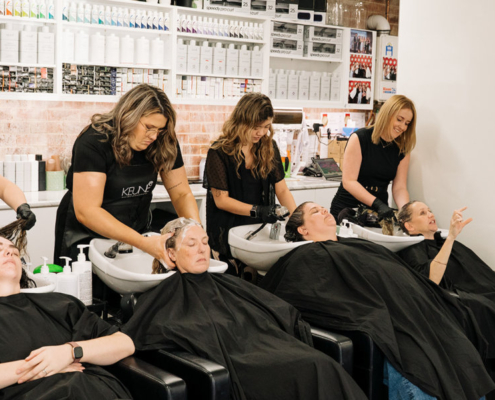 https://www.thecuttingroom.net.au/wp-content/uploads/2026/06/Hair-repair-treatments.jpg
600
1200
IvanaKKatzAdmin2024
https://www.thecuttingroom.net.au/wp-content/uploads/2025/02/The-Cutting-Room-Black.png
IvanaKKatzAdmin20242026-06-16 12:15:562026-06-16 12:17:41Hair Repair Treatments Explained: Which Option Is Right for You?
https://www.thecuttingroom.net.au/wp-content/uploads/2026/06/Hair-repair-treatments.jpg
600
1200
IvanaKKatzAdmin2024
https://www.thecuttingroom.net.au/wp-content/uploads/2025/02/The-Cutting-Room-Black.png
IvanaKKatzAdmin20242026-06-16 12:15:562026-06-16 12:17:41Hair Repair Treatments Explained: Which Option Is Right for You? https://www.thecuttingroom.net.au/wp-content/uploads/2026/06/Why-is-my-hair-so-frizzy.jpg
600
1200
IvanaKKatzAdmin2024
https://www.thecuttingroom.net.au/wp-content/uploads/2025/02/The-Cutting-Room-Black.png
IvanaKKatzAdmin20242026-06-16 12:10:012026-06-16 12:10:01Why Is My Hair So Frizzy All of a Sudden?
https://www.thecuttingroom.net.au/wp-content/uploads/2026/06/Why-is-my-hair-so-frizzy.jpg
600
1200
IvanaKKatzAdmin2024
https://www.thecuttingroom.net.au/wp-content/uploads/2025/02/The-Cutting-Room-Black.png
IvanaKKatzAdmin20242026-06-16 12:10:012026-06-16 12:10:01Why Is My Hair So Frizzy All of a Sudden?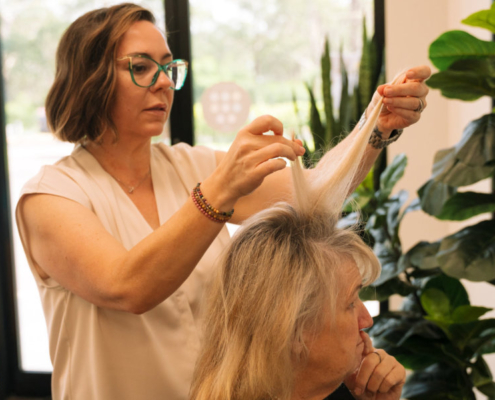 https://www.thecuttingroom.net.au/wp-content/uploads/2026/06/Why-is-my-hair-breaking-off.jpg
600
1200
IvanaKKatzAdmin2024
https://www.thecuttingroom.net.au/wp-content/uploads/2025/02/The-Cutting-Room-Black.png
IvanaKKatzAdmin20242026-06-16 12:07:302026-06-16 12:07:30Why Is My Hair Breaking Off?
https://www.thecuttingroom.net.au/wp-content/uploads/2026/06/Why-is-my-hair-breaking-off.jpg
600
1200
IvanaKKatzAdmin2024
https://www.thecuttingroom.net.au/wp-content/uploads/2025/02/The-Cutting-Room-Black.png
IvanaKKatzAdmin20242026-06-16 12:07:302026-06-16 12:07:30Why Is My Hair Breaking Off?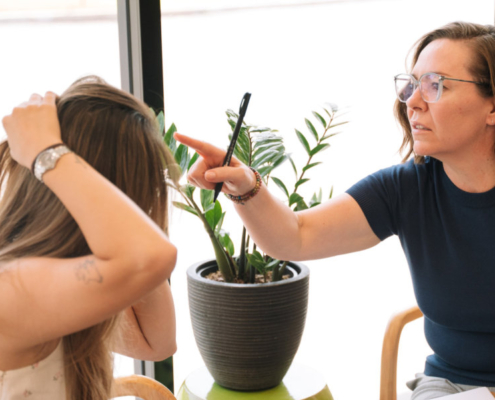 https://www.thecuttingroom.net.au/wp-content/uploads/2026/06/Can-damaged-hair-be-repaired.jpg
600
1200
IvanaKKatzAdmin2024
https://www.thecuttingroom.net.au/wp-content/uploads/2025/02/The-Cutting-Room-Black.png
IvanaKKatzAdmin20242026-06-16 12:04:102026-06-16 12:04:10Can Damaged Hair Be Repaired or Does It Need to Be Cut Off?
https://www.thecuttingroom.net.au/wp-content/uploads/2026/06/Can-damaged-hair-be-repaired.jpg
600
1200
IvanaKKatzAdmin2024
https://www.thecuttingroom.net.au/wp-content/uploads/2025/02/The-Cutting-Room-Black.png
IvanaKKatzAdmin20242026-06-16 12:04:102026-06-16 12:04:10Can Damaged Hair Be Repaired or Does It Need to Be Cut Off? https://www.thecuttingroom.net.au/wp-content/uploads/2026/06/Why-is-my-hair-so-damaged.jpg
600
1200
IvanaKKatzAdmin2024
https://www.thecuttingroom.net.au/wp-content/uploads/2025/02/The-Cutting-Room-Black.png
IvanaKKatzAdmin20242026-06-16 12:02:032026-06-16 12:02:03Why Is My Hair So Damaged? Common Causes of Hair Damage
https://www.thecuttingroom.net.au/wp-content/uploads/2026/06/Why-is-my-hair-so-damaged.jpg
600
1200
IvanaKKatzAdmin2024
https://www.thecuttingroom.net.au/wp-content/uploads/2025/02/The-Cutting-Room-Black.png
IvanaKKatzAdmin20242026-06-16 12:02:032026-06-16 12:02:03Why Is My Hair So Damaged? Common Causes of Hair Damage https://www.thecuttingroom.net.au/wp-content/uploads/2026/06/Hair-Damage-and-Repair.jpg
600
1200
IvanaKKatzAdmin2024
https://www.thecuttingroom.net.au/wp-content/uploads/2025/02/The-Cutting-Room-Black.png
IvanaKKatzAdmin20242026-06-16 11:57:392026-06-16 11:58:27Hair Damage & Repair: Why Hair Becomes Damaged and What You Can Do About It
https://www.thecuttingroom.net.au/wp-content/uploads/2026/06/Hair-Damage-and-Repair.jpg
600
1200
IvanaKKatzAdmin2024
https://www.thecuttingroom.net.au/wp-content/uploads/2025/02/The-Cutting-Room-Black.png
IvanaKKatzAdmin20242026-06-16 11:57:392026-06-16 11:58:27Hair Damage & Repair: Why Hair Becomes Damaged and What You Can Do About It
